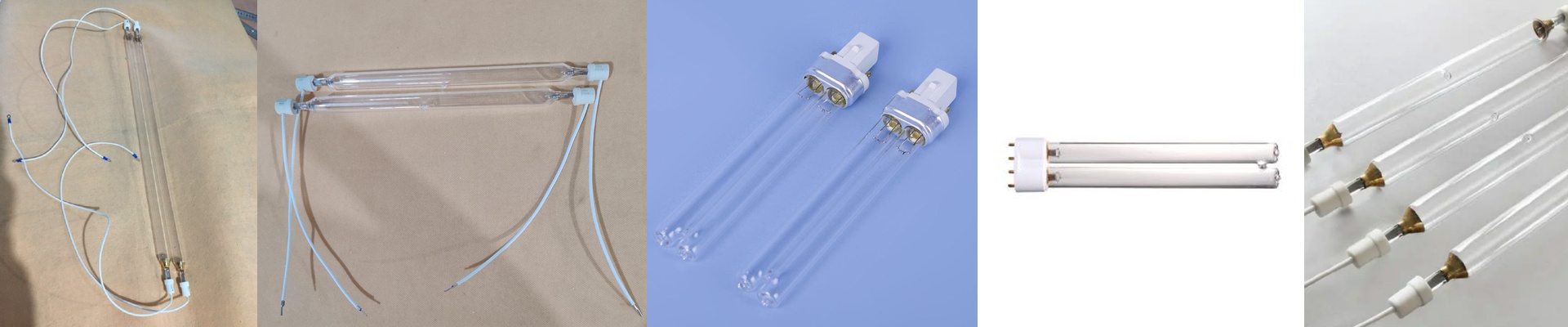
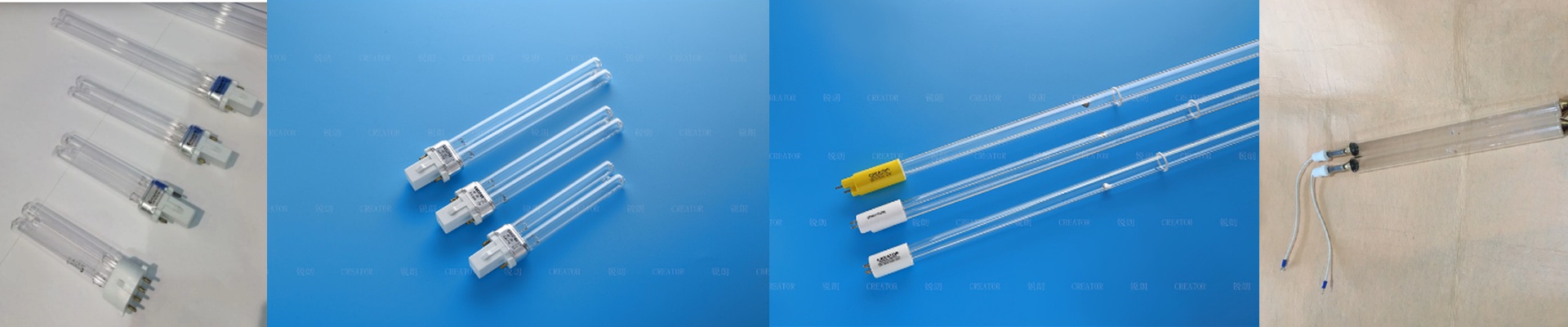
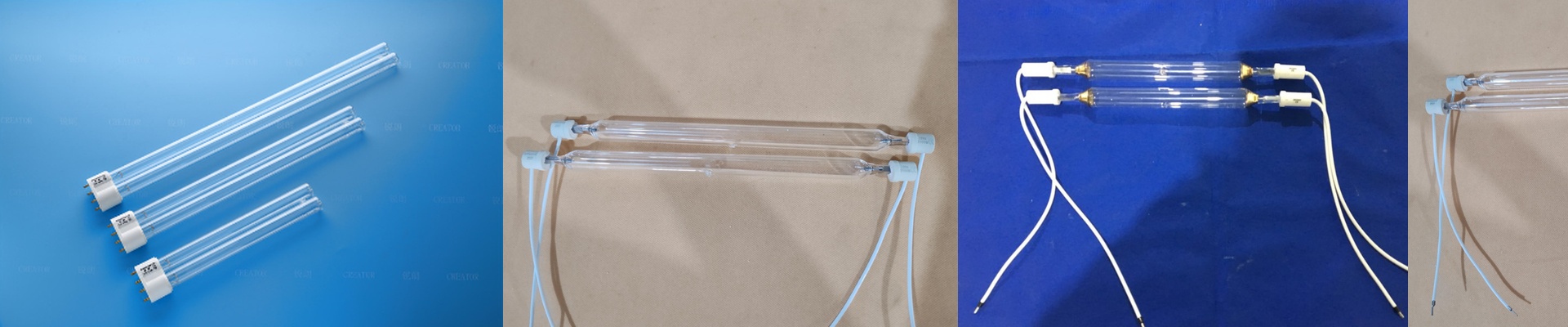
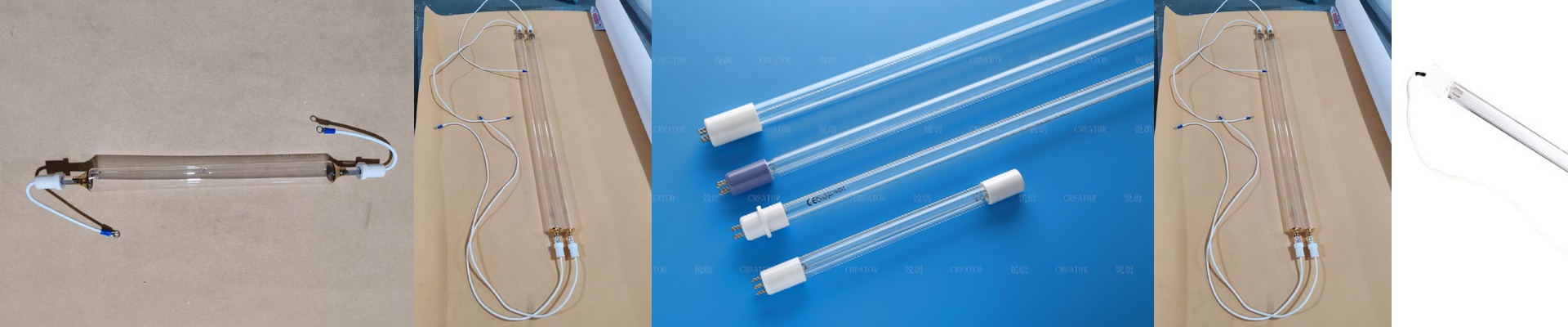
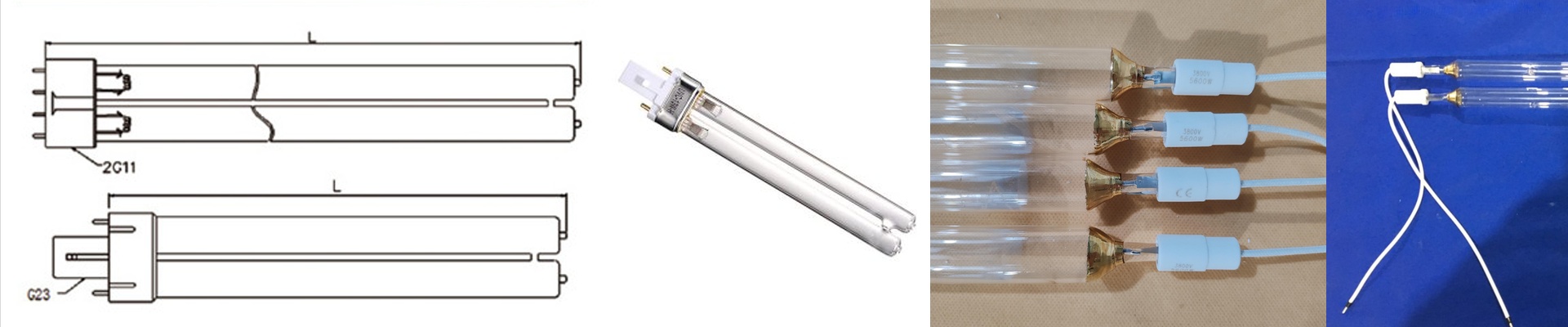
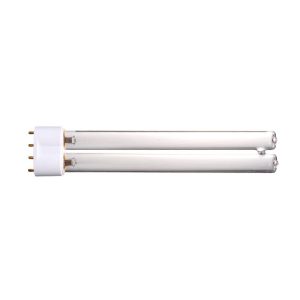
Getting the Most Out of Your 120W/cm Mercury UV Lamp
When we built our standard mercury UV lamps, we aimed for a power density of 120W/cm for one reason: speed. If you’re running a high-speed curing line, you can’t afford to wait. The ink needs to set the second it hits the light, or you’re looking at smudges and bleeding all over your fabric. The heat is the real story here. Packing that much energy into such a small space means things get hot. Fast. You get a concentrated blast of UVC and UVB radiation that cures ink in a blink, but it also kicks out a lot of infrared heat. If your conveyor is crawling or your fans aren’t pulling enough air, you’re going to have problems. We’re talking scorched fabric or ink that bubbles up. It’s a balancing act. What’s happening inside the tube? We use high-purity mercury wrapped in a fused quartz envelope. We use quartz because regular glass would just soak up all that shortwave UV light. The goal was to keep the arc discharge stable. Why? Because nobody wants “cold spots” in the middle of a print run. You want the same punch of energy from the start of the tube to the end. Making it work on the shop floor Textile printing is messy. You’ve got different ink thicknesses and fabrics that soak up liquid in a dozen different ways. This 120W/cm output gives you the muscle to push through that ink layer and really bond it to the fibers. But here’s a tip:check your reflectors. If your mirrors are even slightly off, you’re throwing away about 20% of your power. That’s not just a waste of energy; it puts a lot of unnecessary stress on your power supply. One last thing before you flip the switch. Make sure your ballasts actually match the lamp’s impedance. If the electronics are mismatched, the lamp will flicker or just burn out way too soon. And for heaven’s sake, make sure you have proper venting. It’s not optional.