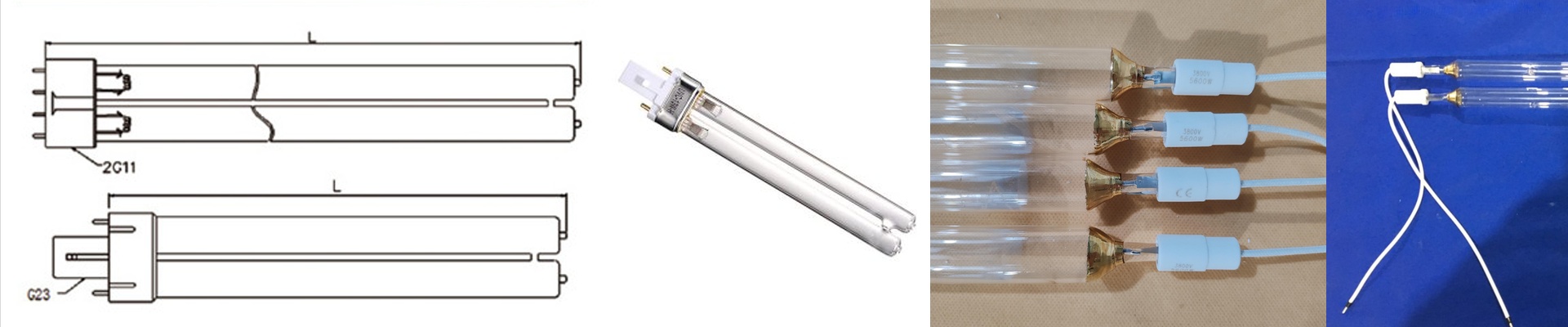
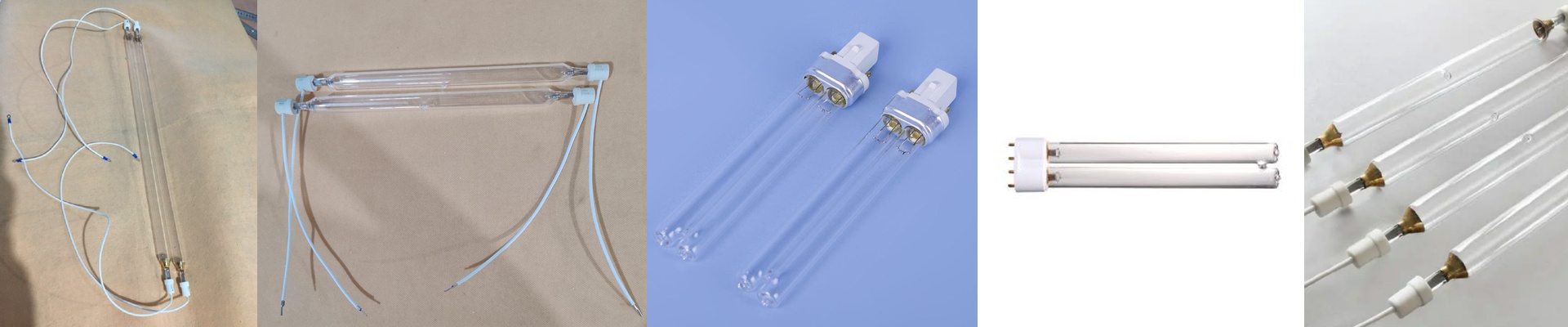
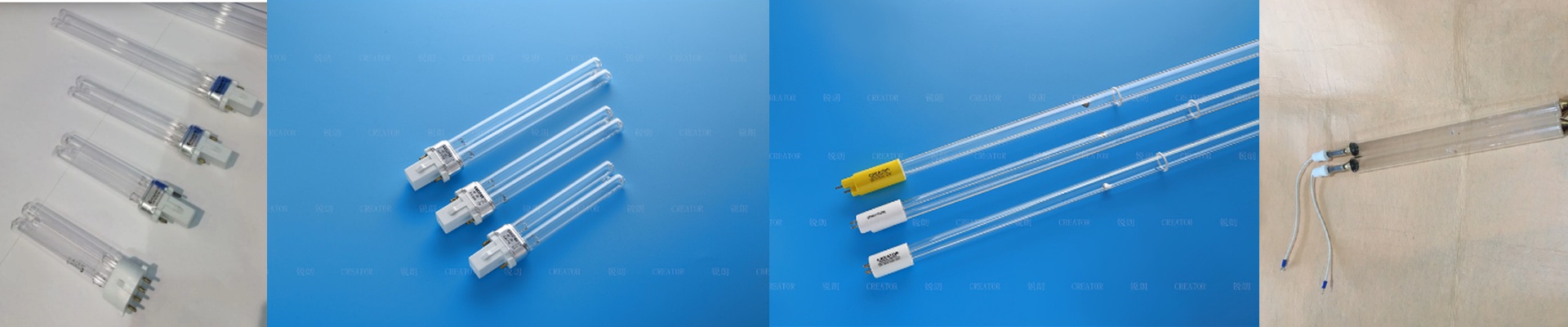
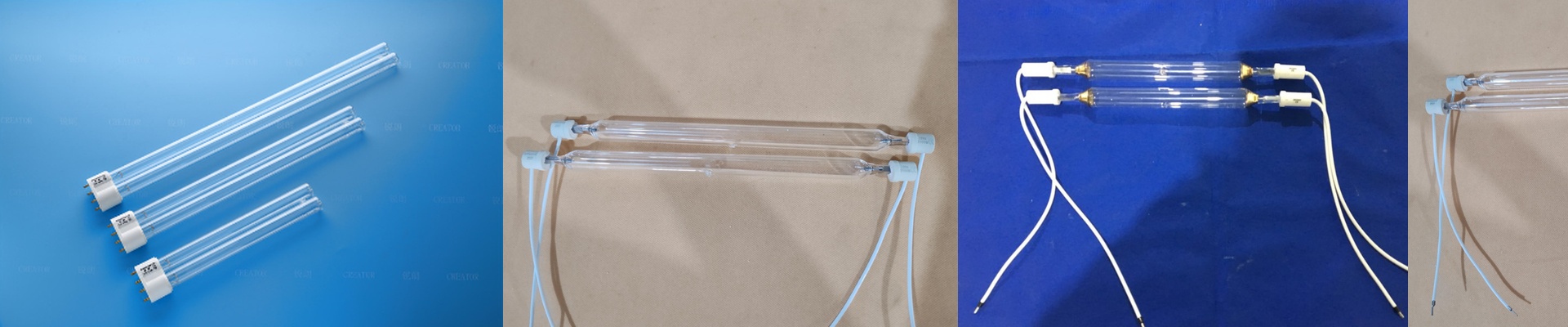
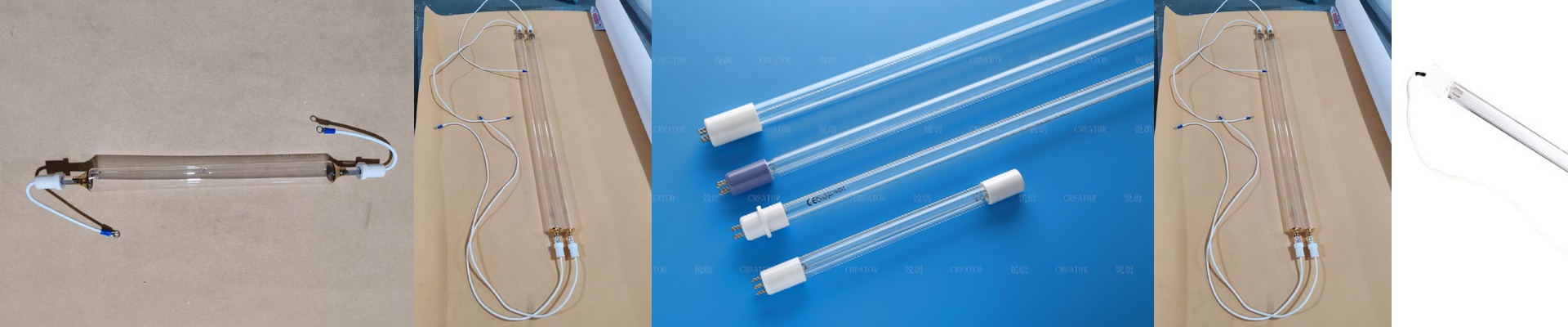
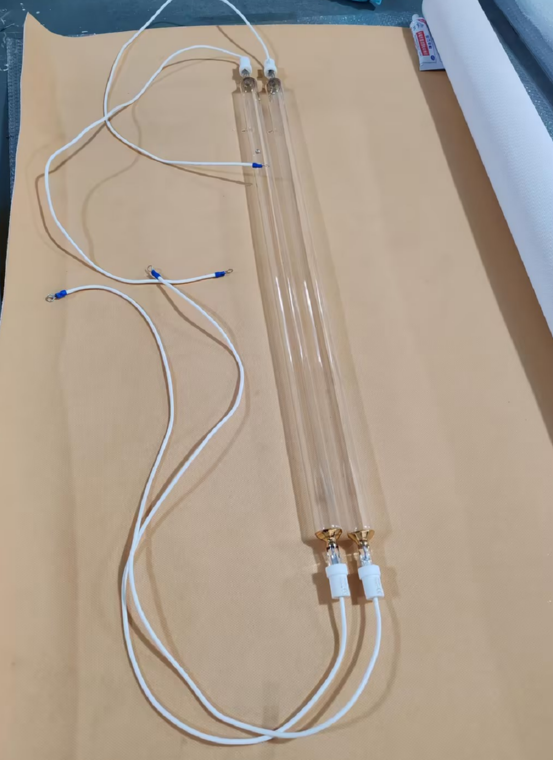
On the press, a curing bottleneck isn’t a bottleneck—it’s scrap. When the UV lamp isn’t pulling its weight, the ink stays tacky, the substrate starts to warp, and the run stalls while you chase photoinitiator response and line speed. We built these high-voltage mercury UV lamps to knock out that uncertainty for good. Here’s what matters under the hood. It’s a high-voltage mercury vapor lamp engineered for industrial UV curing, with a spectral output that stays steady and concentrates energy where most photoinitiators actually respond. Peak irradiance is delivered across the standard UVA bands, with strong output around 365nm and a full-spectrum tail through 385–405nm to drive both surface cure and through-cure. The quartz arc tube is matched to a reflector with a dichroic coating, so more photons hit the substrate and less heat radiates back into the lamp housing. You get repeatable curing energy density when you measure it with a spectral radiometer—no guesswork. Why it holds up on real presses. In UV offset, flexo, and screen printing, you need a cure you can count on at web speeds that keep the press moving. The lamp’s stable output profile supports fast cross-linking on coated paper, films, and foils—cutting down blocking and letting you run straight into downstream processes. Energy density stays repeatable over long runs, so color density and adhesion don’t drift shift to shift. We’ve seen units run beyond 5,000 hours with minimal output degradation, which translates into fewer lamp changes, less downtime, and maintenance windows you can plan around. A few shop-floor details. High-voltage mercury UV lamps demand proper ballast matching and precise reflector alignment. A mismatched ballast brings current ripple, and that shows up as spectral instability and a shortened life. Before installation, confirm fixture voltage, connector type, and focal distance. Keep operating distance under control. Move the lamp too far and peak irradiance drops. Crank it too close and you’ll cook the substrate. Use ozone-free configurations where required, and keep an eye on substrate surface temperature to balance cure against warp.