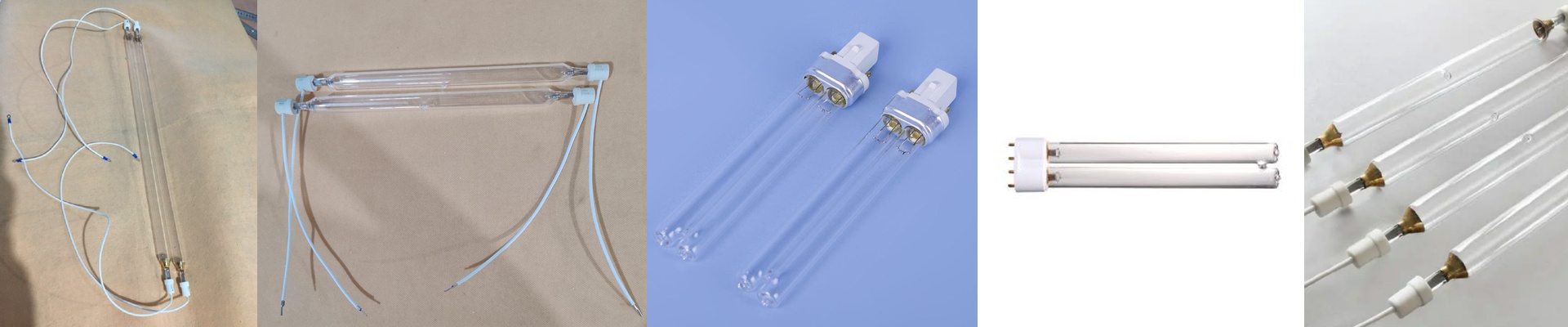
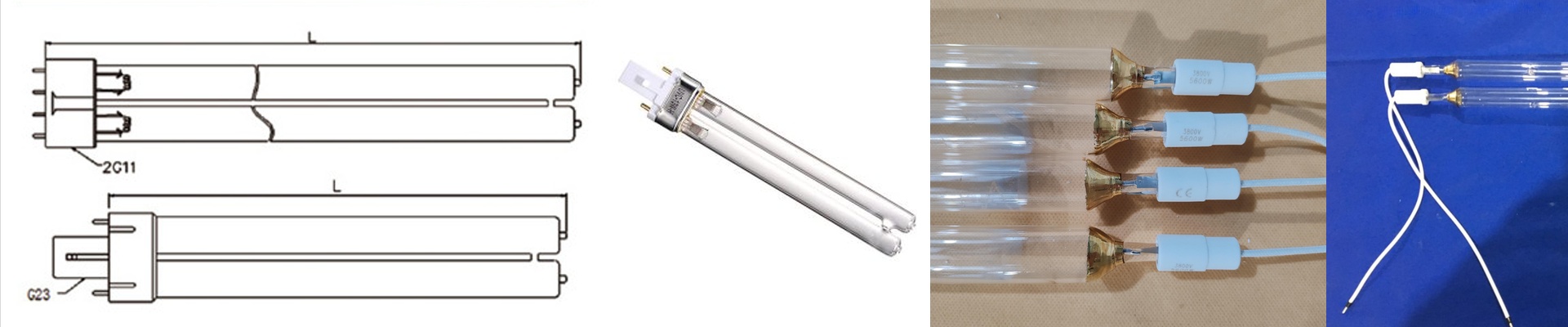
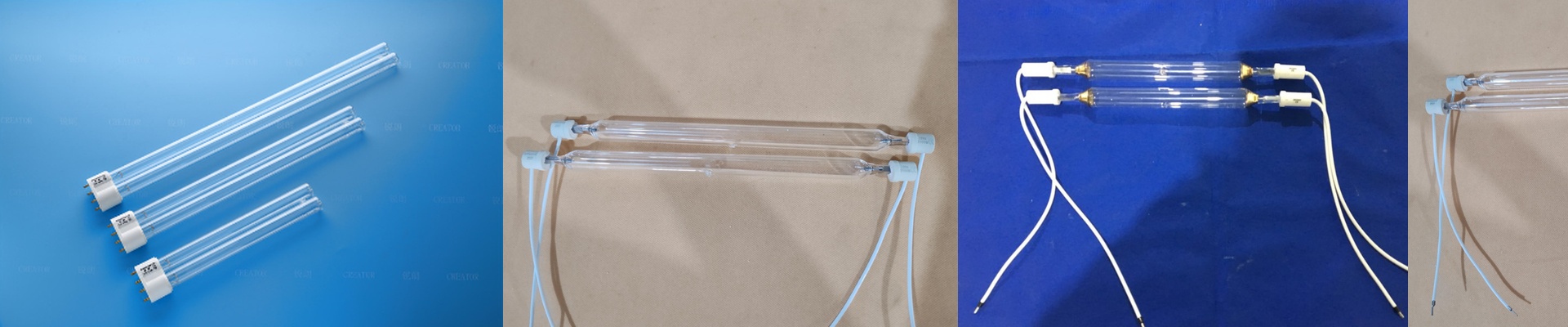
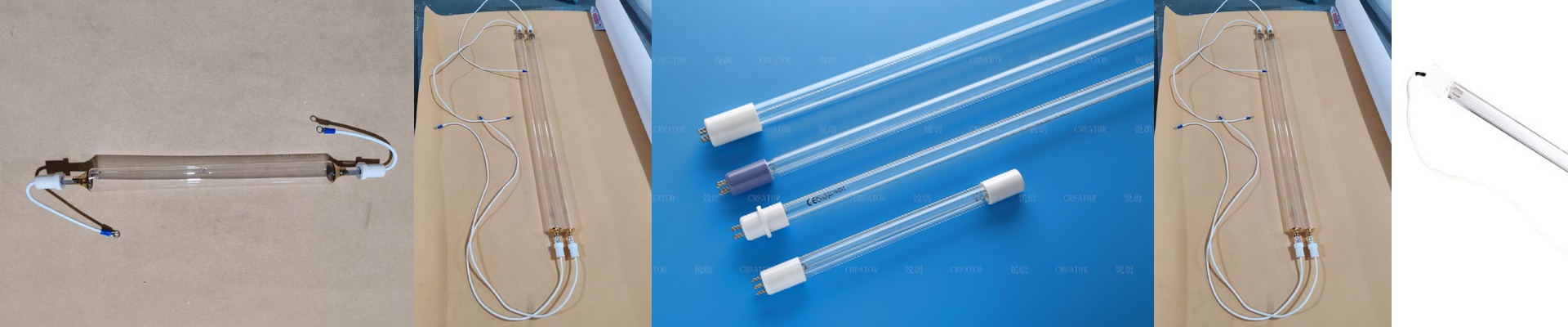
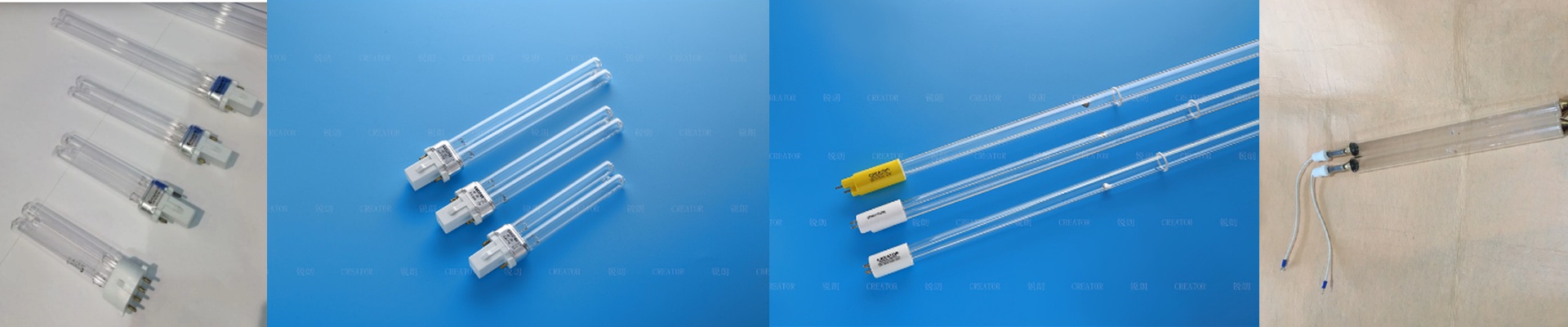
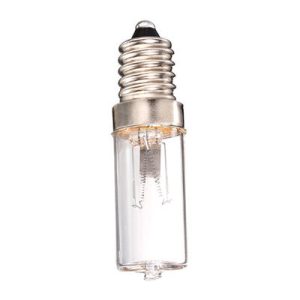
On the floor, brand identity doesn’t matter much if your UV cure is all over the place. Color shifts from batch to batch, adhesion drifts, and cure depth isn’t repeatable when the spectral output and delivered energy can’t be nailed down. If you’re a wholesaler or converter, the move is straightforward: specify a UV lamp system you actually control, then roll it out under your own brand. What matters is what you can measure, not window dressing. Our 4-pin UV lamp assemblies are built around stable spectral distribution, optimized peak irradiance, and repeatable energy density. The 4-pin interface standardizes ignition and power delivery, cutting start-up variability so photoinitiator activation stays consistent from press to press. We match the lamp spectrum to your ink chemistry—mercury vapor lines at 365nm, 385nm, or 405nm, or LED-like narrowband profiles—so cross-linking happens predictably, with fewer pinholes, less adhesion failure, and fewer under-cure rejects. Reflector geometry and dichroic coatings shape the delivered profile, focusing usable output where the substrate needs it, not dumping heat where it doesn’t. OEM branding only earns its keep when uptime and cure performance are repeatable. With our 4-pin solution, you standardize lamp replacement across multiple platforms, shorten changeovers, and tighten cure-speed consistency. Fewer stops for lamp swaps, more consistent gloss and cure depth, and lower specific energy consumption per printed meter. Here are the practical details that keep you out of trouble. Match the lamp to the fixture and the cure window. Confirm connector keying, pin assignment, and ignition method with the ballast manufacturer—mismatched ignition can drive spectral drift and shorten lamp life. Expect output to decay with hours; set preventive replacement based on measured energy density, not calendar time. For best results, monitor inline with a spectral radiometer and keep the reflector clean. In this business, maintenance beats assumptions every time.