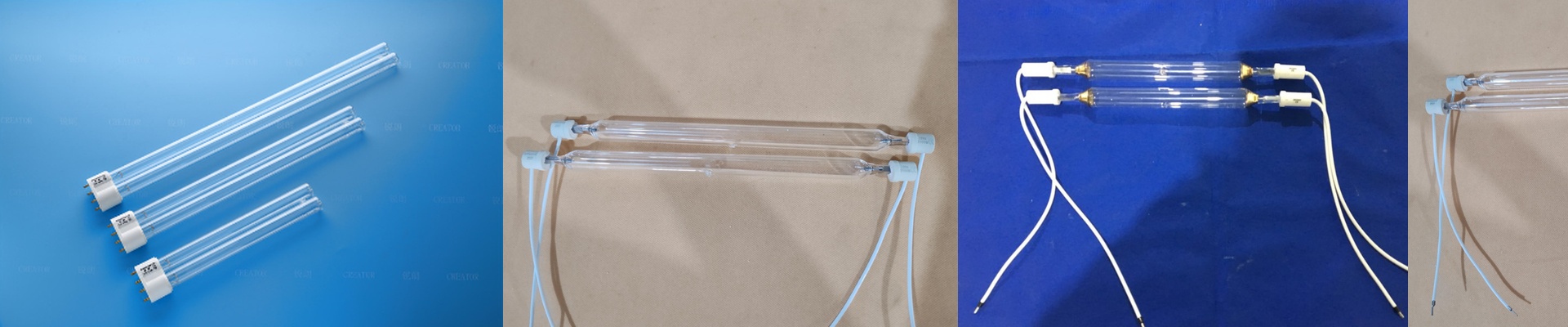
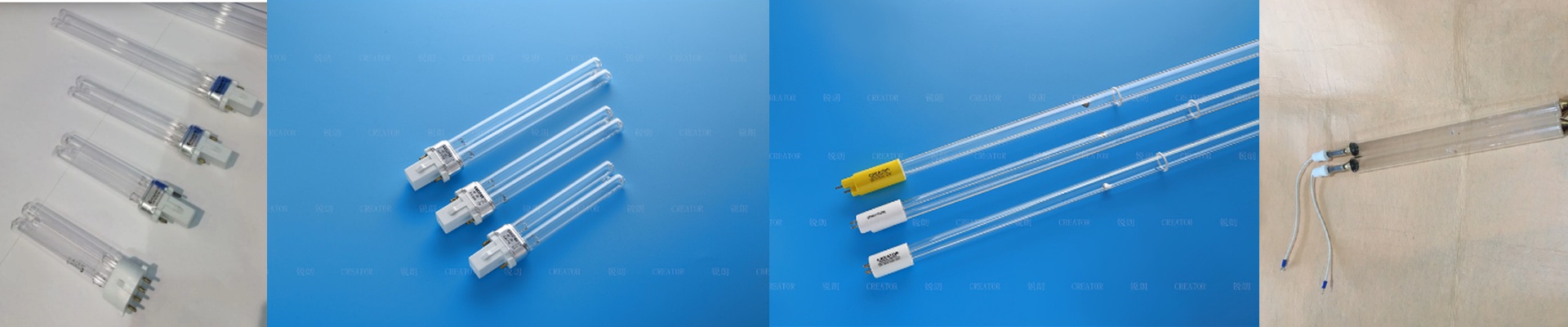
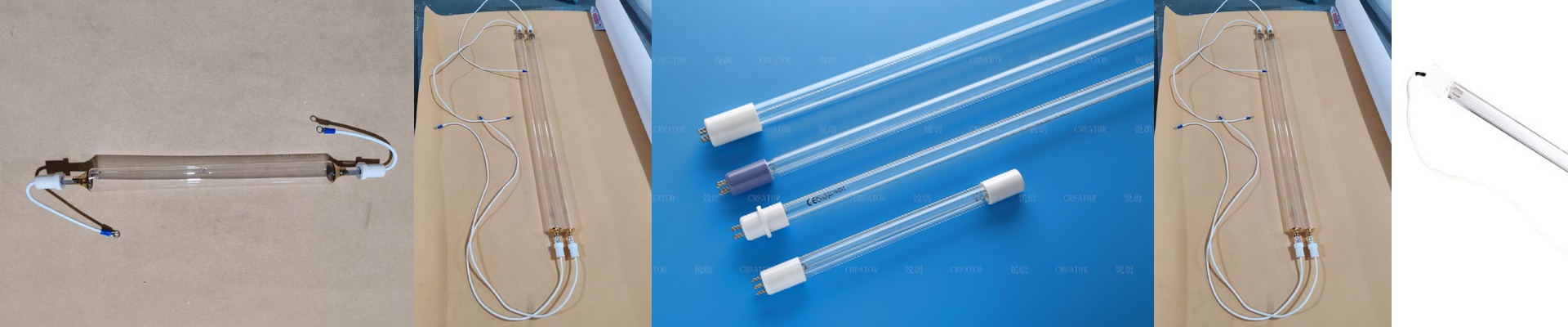
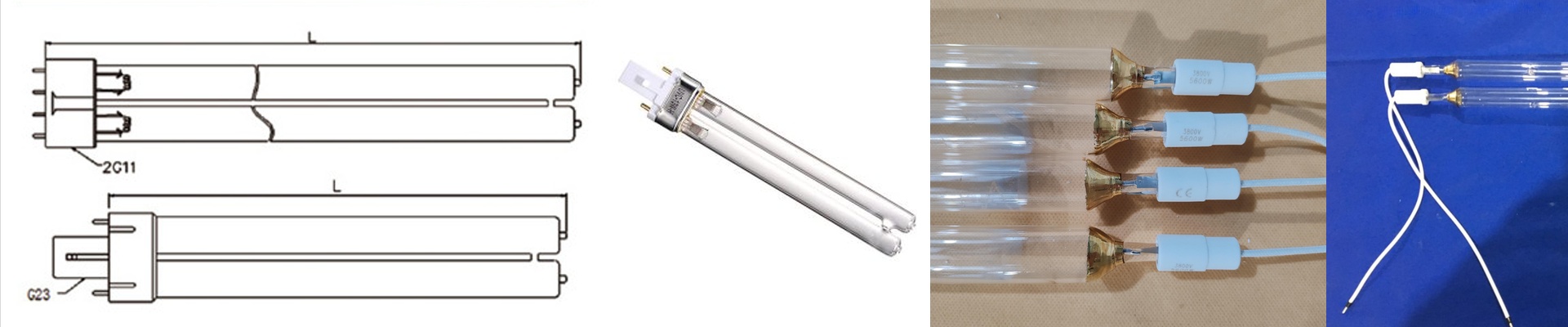
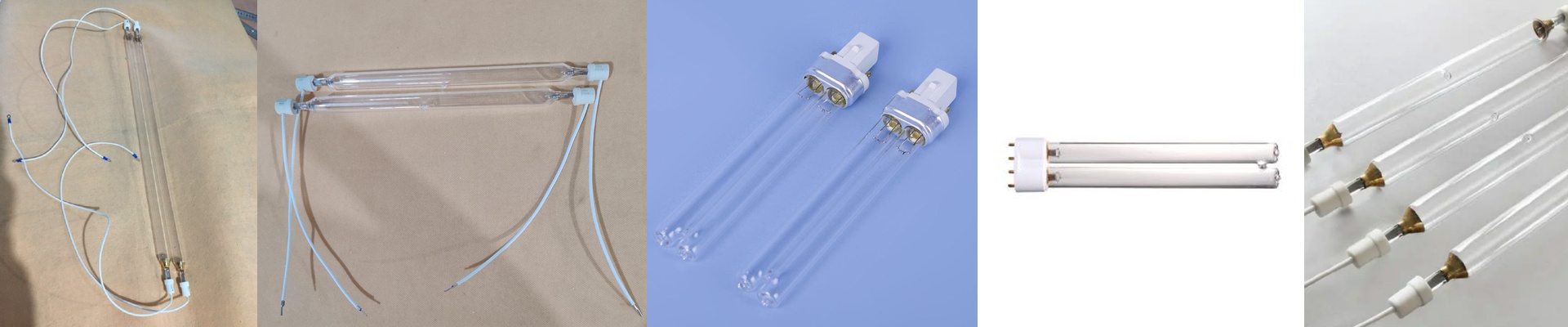
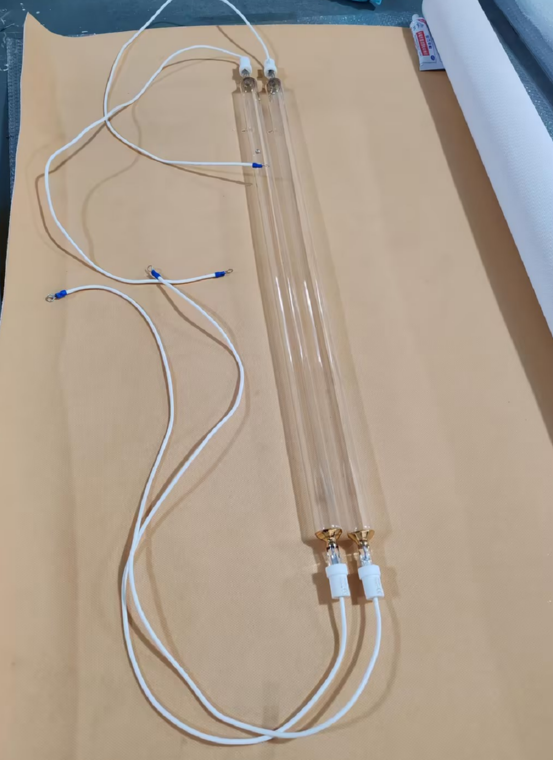
On the press floor, a flexo label job is only as clean as the last cured dot. When the UV lamp’s spectral output drifts, crisp edges disappear. You start seeing halos, blooming, and color shift—especially on thin substrates where over-cure heat and under-cure tack fight each other. That same instability shows up in forensic work, just with different consequences: uneven illumination, inconsistent fluorescence, and comparisons you can’t trust. In both places, the failure isn’t loud. It’s slow. It’s the quiet erosion of confidence in every output. We build UV lamps for forensic investigation because the core requirement is identical to high-end label printing: repeatable energy delivery, shift after shift, lamp after lamp. Whether you’re confirming latent prints under 365nm or running a label job at 100% speed, the lamp has to deliver stable peak irradiance and predictable spectral output. No surprises.
What matters under the hood: spectral output, stability, and total cost
Forensic UV work lives and dies on the 365nm band. That wavelength drives fluorescence with minimal background interference, and it’s the most forgiving band for keeping comparisons consistent across samples. The lamp’s job is to deliver that 365nm output with tight tolerance, stable arc position, and controlled thermal behavior. We run a mercury vapor discharge inside a quartz envelope, paired with a dichroic reflector system engineered to shape the spectral distribution and manage heat. The payoff is a spectral output that prioritizes the 365nm line while suppressing excess long-wave UV and IR—both of which drive substrate heating and create operator exposure concerns. Here are the performance parameters you can actually measure in the field:
- Peak irradiance at working distance: Expect a stable peak in the tens of mW/cm² range at typical forensic distances (10–20 cm). The exact number depends on reflector geometry, but repeatability is the point—minimal drift over the lamp’s operating window.
- Spectral stability: The 365nm line has to stay dominant and consistent. In practice, that means the lamp’s output doesn’t shift toward shorter or longer wavelengths as the arc stabilizes or as line voltage fluctuates.
- Output uniformity: A well-designed reflector gives you a uniform field. Without it, you get hot spots that over-cure and cold spots that under-cure—or, in forensics, uneven excitation that makes one print “pop” and another vanish.
- Lamp life and degradation curve: Mercury vapor lamps age through arc tube chemistry changes and electrode wear. A good lamp shows slow lumen maintenance and controlled spectral drift, not a sudden drop. We design for long life with stable output, so replacement intervals stay predictable.
- Ozone management: Many forensic users want ozone-free operation. We use envelope materials and coatings to suppress ozone generation, cutting ventilation requirements and improving comfort in tight rooms. In label flexo, the physics is the same. UV inks and varnishes cure when the photoinitiators absorb enough energy to kick off cross-linking. If the lamp’s output varies, the curing front gets inconsistent: some ink stays tacky, some cures hard, and dot gain follows the non-uniformity.
Same discipline: label flexo and forensic investigation
On a flexo label press, you run at high speed with tight register. The lamp sits at the point where the substrate is still moving, so dwell time is short. That means the lamp has to deliver high peak irradiance immediately—and hold it steady for hours. When stability is solid, three practical gains show up:
- Sharper dots, less blooming: Stable UV energy keeps dot edges defined, cutting the feathering that shows up when the curing front is uneven.
- Less waste from cure variability: Inconsistent cure forces you to slow down, crank the lamp power, or re-run good work. Stable output reduces those workarounds.
- Predictable makeready: Once you set cure parameters, they stay valid. You aren’t chasing the lamp as it warms up or ages. In forensic investigation, the discipline is identical—only the stakes are measured differently. You need repeatable illumination so evidence can be compared today, tomorrow, and in court.
- Consistent fluorescence response: Stable 365nm output reduces variability in fluorescence intensity. That matters when you’re comparing two latent prints or confirming biological stains.
- Fewer false negatives from uneven lighting: A uniform field eliminates shadows and hot spots that can hide detail.
- Lower operating cost per case: When the lamp holds output longer, you replace it less often. That cuts downtime and consumable cost, and it keeps the workflow moving. When you compare performance, it comes down to three measurable items: light-output stability, service life, and total cost of ownership.
- Stability: In our systems, output stays consistent after warm-up, with minimal drift during long sessions. We design the arc geometry and power regulation to reduce sensitivity to line voltage changes, so the lamp doesn’t “hunt” as the mains fluctuate.
- Life: Mercury vapor lamps have a finite life, but good engineering stretches the useful window. We target long life with controlled degradation, so you can schedule replacements instead of reacting to failures.
- Cost: A longer-life lamp with stable output reduces replacement frequency and rework. Energy use is set by lamp power and duty cycle, but the hidden cost is downtime. Fewer lamp changes and fewer cure-related press stops lower your cost per label and per case.
The real-world details: installation, compatibility, and constraints
A UV lamp isn’t just a bulb you screw in. It’s part of a system.
- Ballast and igniter compatibility: The lamp has to match the ballast type and ignition method in your fixture. Mismatched ballasts lead to unstable ignition, shortened life, and erratic output.
- Reflector condition: The reflector’s dichroic coating and surface geometry control uniformity and spectral control. If the reflector is scratched, oxidized, or misaligned, you lose peak irradiance and uniformity even with a good lamp.
- Thermal management: Mercury vapor lamps generate heat. Proper airflow and correct mounting orientation keep the arc tube temperature stable, which stabilizes output and extends lamp life.
- Safety and exposure: UV light is hazardous to skin and eyes. Use proper shielding and interlocks. Even ozone-free designs should be used in well-ventilated areas during long sessions. There’s a practical trade-off to keep in mind: mercury vapor lamps deliver strong output, but they need controlled thermal conditions and proper end-of-life handling. They aren’t instant-on like LEDs, and they require a warm-up period to reach stable spectral output. Plan for it—start the lamp early, verify output with a radiometer, and treat warm-up as part of the process. If your label press or forensic workstation is tight on space, confirm lamp length, arc gap, and mounting hardware before ordering. A lamp that fits physically but is thermally constrained will underperform. When you need repeatable results—on the press and in the lab—treat the UV lamp as a stability instrument, not a commodity. Measure peak irradiance, confirm spectral output, track lamp hours, and replace on schedule. That’s how you stop chasing variability and start trusting the work.