Engineering Precision: The 0.5% Spectral Target
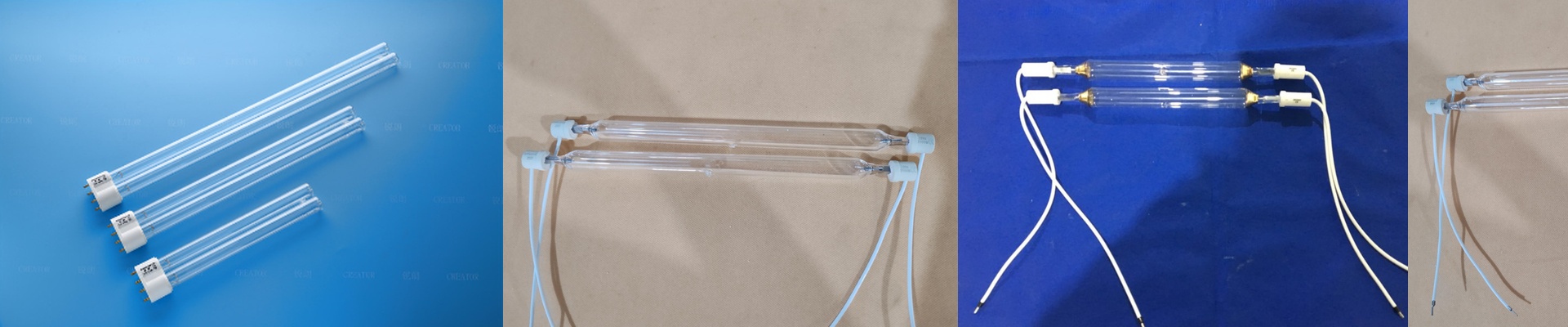
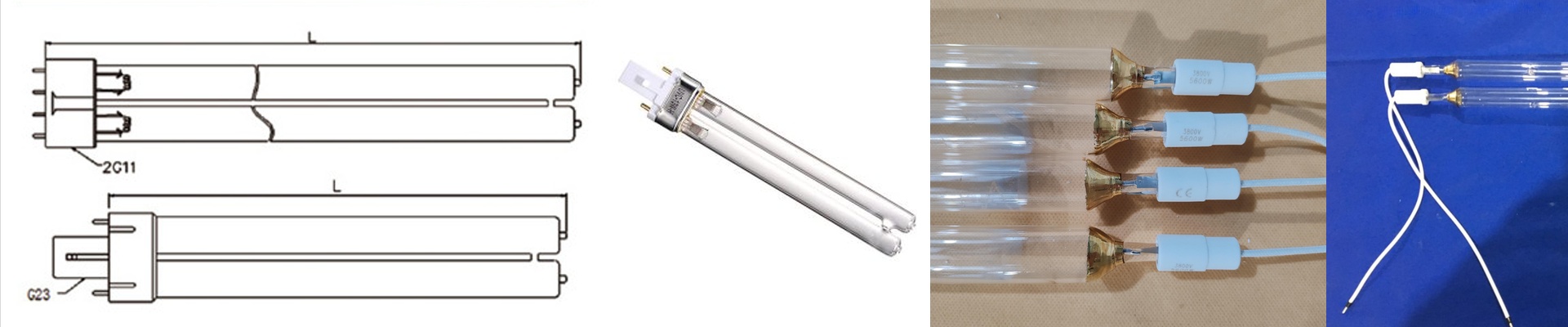
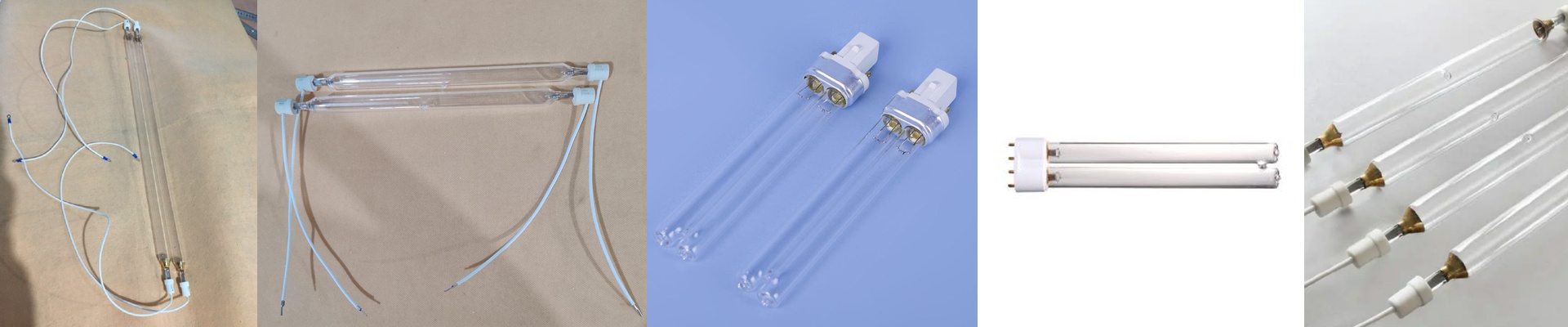
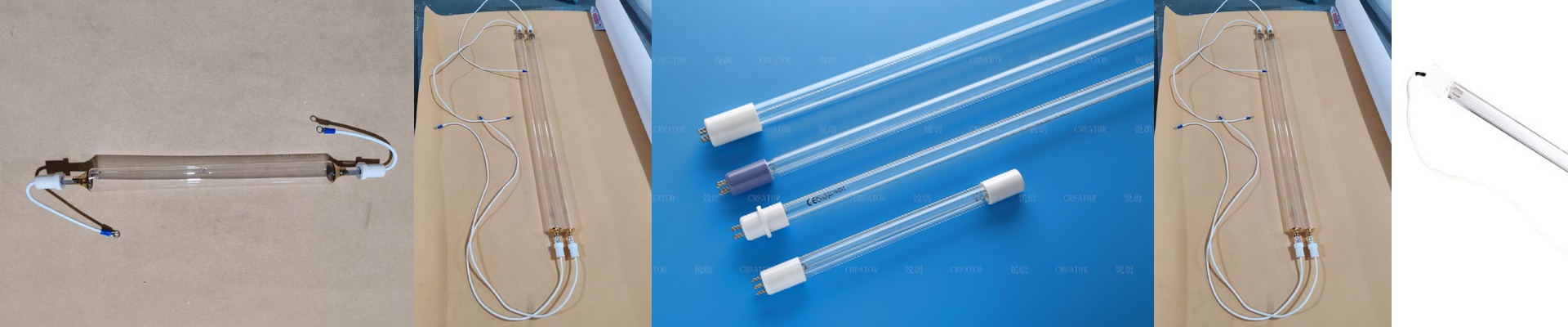
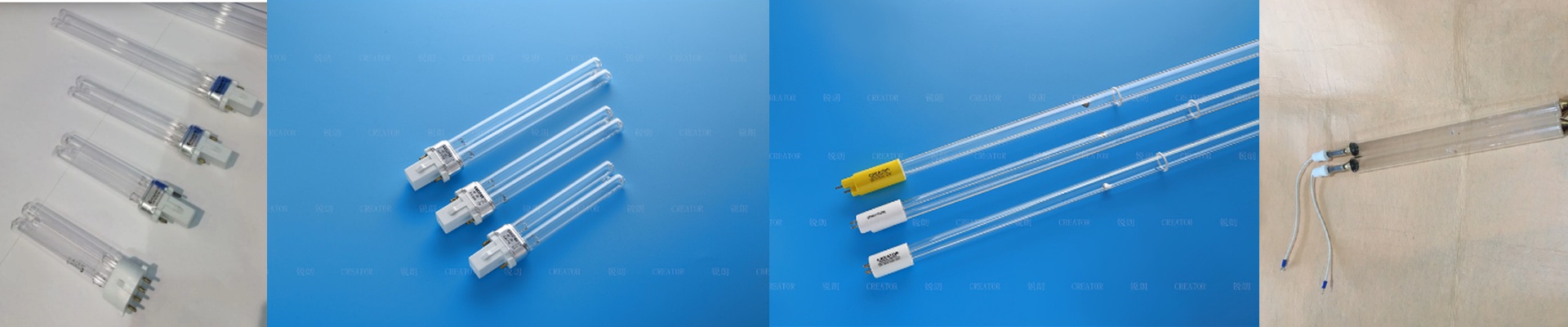
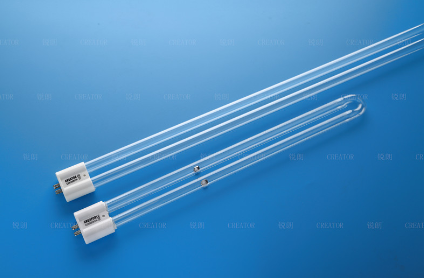
Let’s cut through the noise. We built this quartz UV lamp tube for engineers who live by the numbers—not by marketing hype. Our entire focus was one specific goal: hitting 0.5% spectral energy concentration. This wasn’t some random figure. It’s the sweet spot for processes that demand UV output you can count on—predictable, repeatable, and steady even when things heat up. At the heart of it is a 400V, 2500W setup packed into a 300mm tube. That tight geometry gives you a high-intensity arc with a small footprint. We balanced the voltage and wattage so you get maximum photon output without pushing the quartz envelope past its limits.
The Physics, Without the Fluff
That 400V supply? It’s there to keep the arc stable across the electrodes, even at this wattage density. That stability is what keeps the spectral output consistent. And the 300mm length? It’s a smart compromise. Long enough for the fill gas to fully excite, but compact enough to drop into standard industrial fixtures. No hassle. Hitting 0.5% energy concentration means the UV is laser-focused in a narrow band. That’s crucial when you need a specific wavelength for curing or disinfection. A wider spectrum just wastes energy as heat and throws in wavelengths that can wreck your material.
Built to Last, Built to Work
We went with high-purity quartz glass for the tube. It handles the shock of rapid on/off cycling and stays transparent where regular glass would give up. Inside, the fill gas and electrode design keep the arc steady, so you don’t get spectral drift as the lamp ages. The R7s connector? It’s just a practical, industrial choice. Solid two-contact connection that handles the 400V load without arcing. And it’s a straight swap—so you can upgrade without rewiring your whole setup.
Real-World Power, Real-World Trade-offs
This lamp is made for industrial UV curing, disinfection, and material testing. That tight spectral output means energy hits your material with full force. The 2500W power delivers fast results. But here’s the trade-off: it runs hot. You’ll need a cooling system that can keep up. If the lamp overheats, the spectral output shifts, and you lose that 0.5% precision. That’s just the reality of packing this much power into a small space. We built the lamp to perform. Now, make sure your system is ready to handle it.