Introduction
We’re not just here to sell you a UV gallium lamp for PCB exposure. We roll up our sleeves and get out on your production floor. Because honestly? The lamp is just one piece of the puzzle. The real work is making sure the whole UV curing line is humming along. Our engineers are focused on one thing: building you a solid curing setup that actually fits your board shape, your ink, and your line speed.
Technical Deep-Dive: Power, Voltage, and Geometry
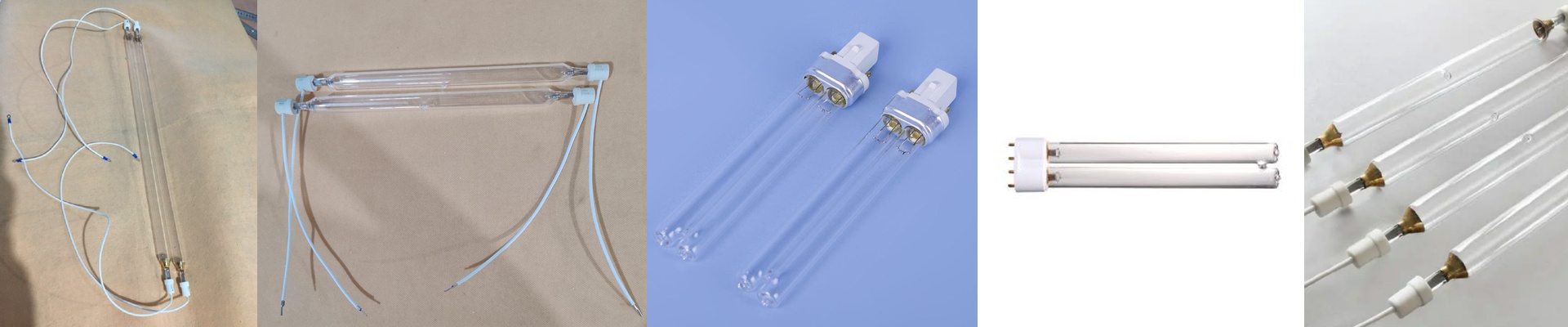
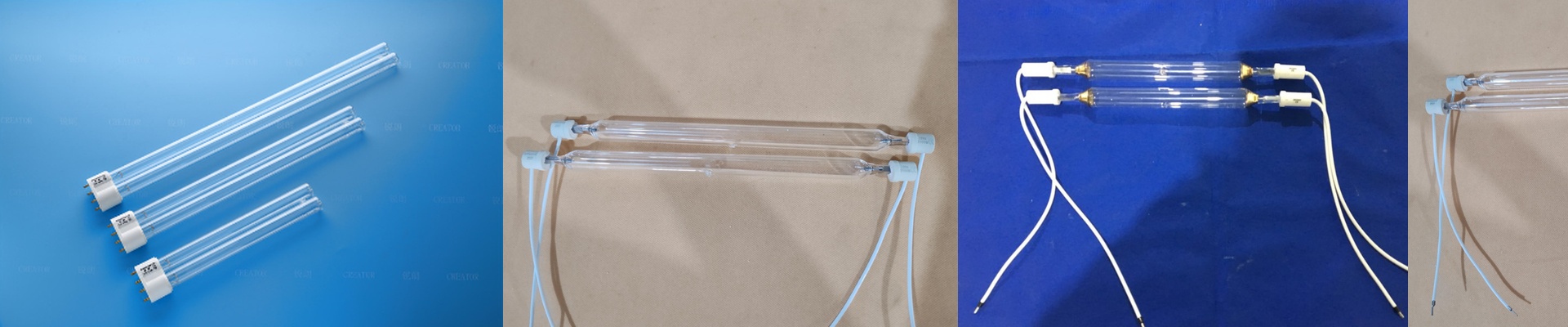
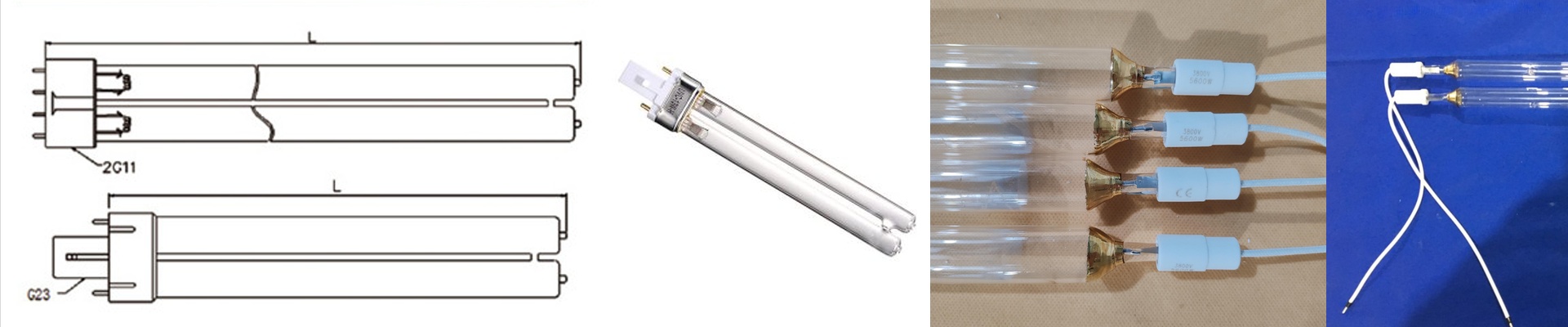
Every UV gallium lamp is built around a specific energy profile. We tune the tube to deliver steady, reliable output right in the sweet spot—usually around the 365nm band—to kick off the photopolymer process. Voltage and wattage? They’re matched carefully to your ballast and reflector. Then there’s the physical fit. The lamp’s length and arc length define your exposure footprint. If your conveyor width is fixed, the lamp has to line up just right so the intensity covers the whole board without wasting energy at the edges. Miss that detail, and you end up with inconsistent curing and a pile of rework.
Material and Design: Quartz, Coating, and Connector Choice
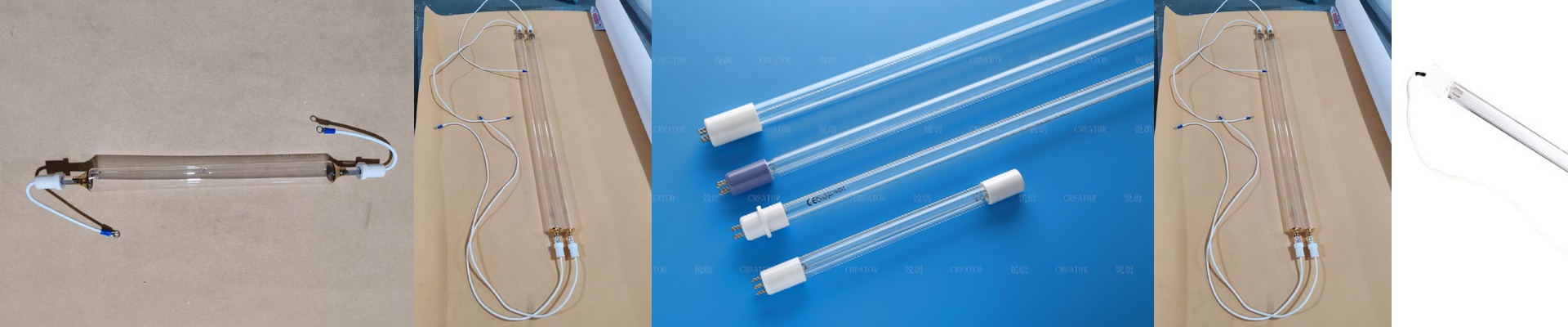
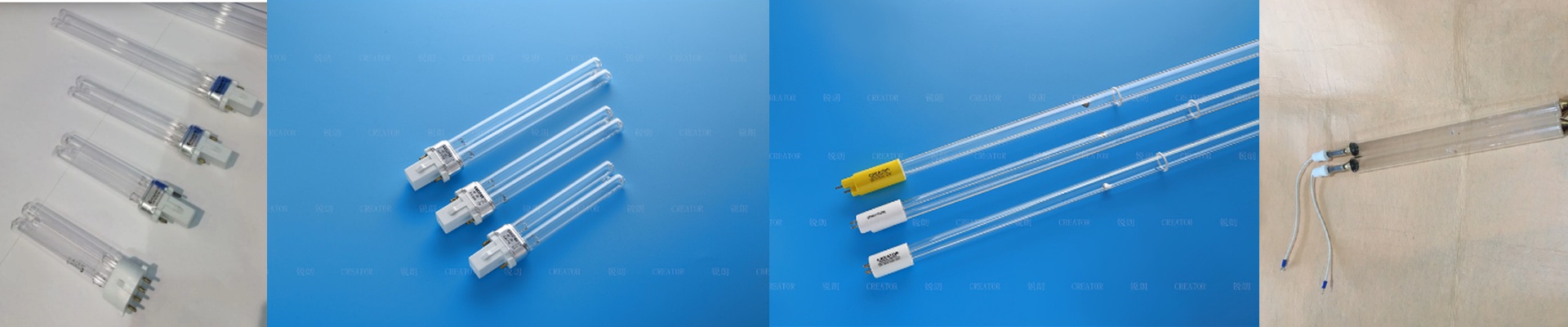
The lamp body is quartz, chosen because it handles UV light beautifully and stays tough through constant on-off cycles. Inside, the gallium fill gives you a clean, predictable spectrum. Outside, a special coating keeps unwanted IR in check. That means more usable energy hits your target, and less heat bakes your fixture. And connectors like R7s? They’re there for one reason: solid, high-current contact and easy drop-in installation. Even the end-seal design is built to sit tight in standard holders, staying stable when things vibrate or heat up.
Application and Benefits: Solving the Real Problem on the Floor
In PCB exposure and curing, the lamp rarely fails alone. It’s usually a mismatch in intensity, a reflector that’s drifted out of alignment, or cooling that can’t keep up. So we take a hands-on approach. We verify lamp output, check the reflector, and make sure your cooling and shielding can handle the heat. Take a 400V 2500W UV gallium lamp. It packs serious energy for fast exposure, but it also needs real cooling and proper shielding. We help you get the whole system right—lamp, ballast, optics, and thermal management—so you get consistent exposure, fewer rejects, and a lamp life you can count on.