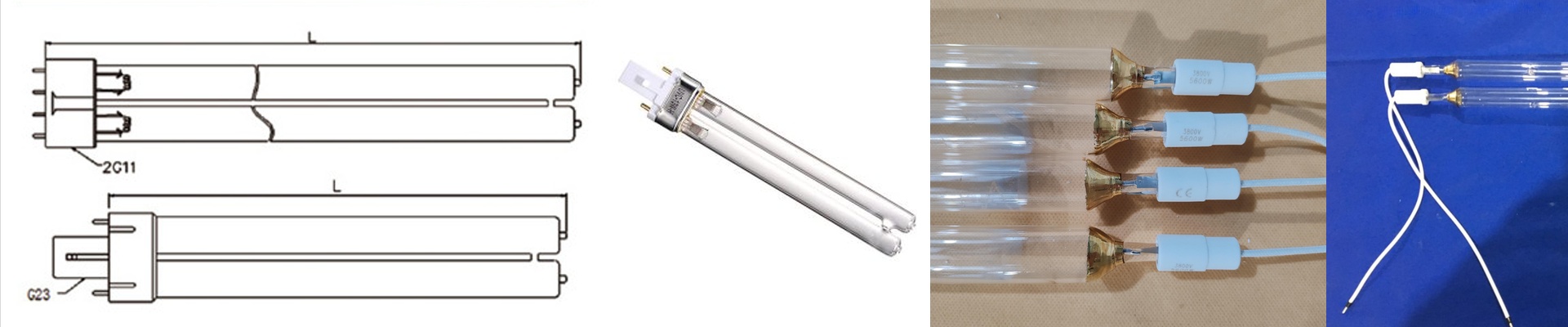
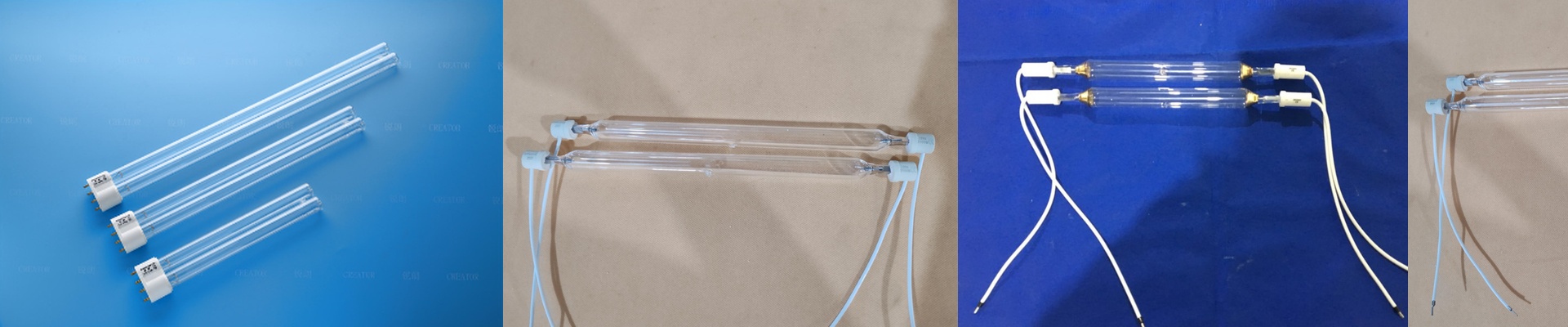
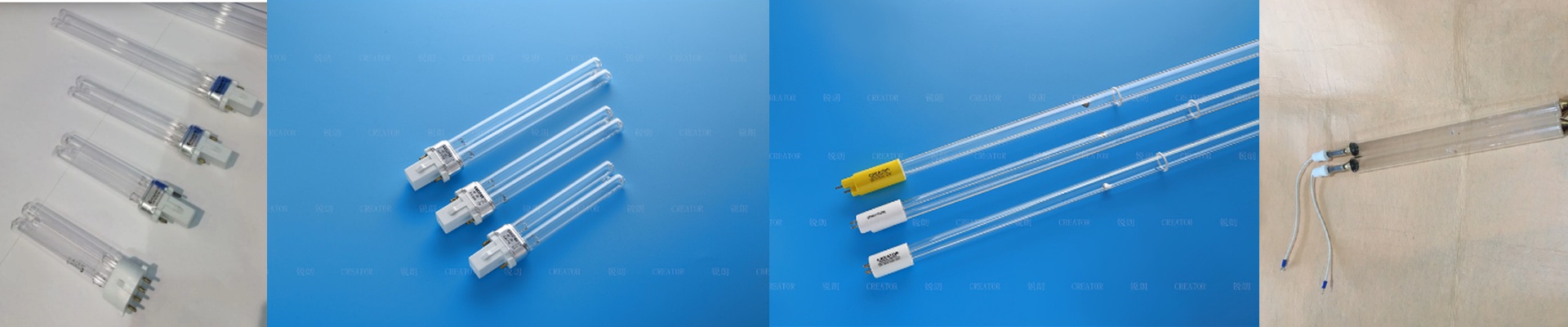
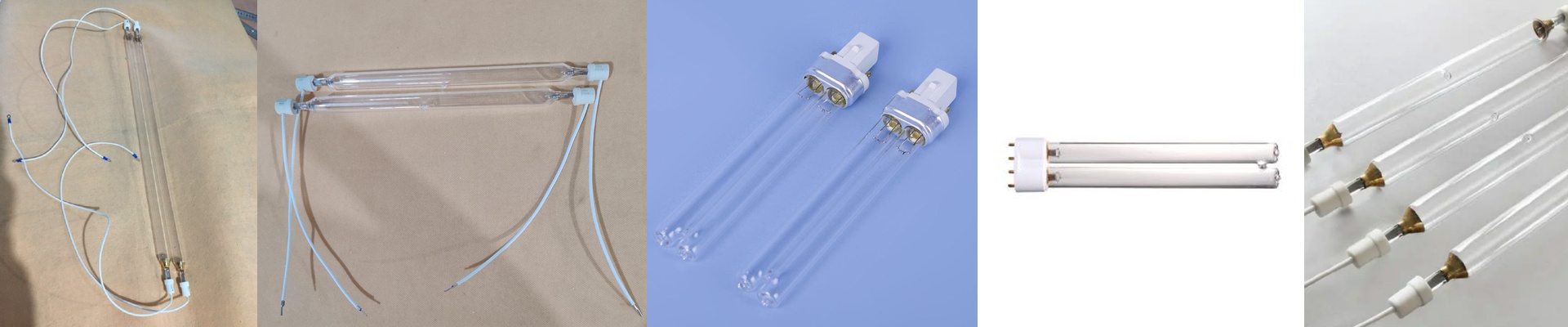
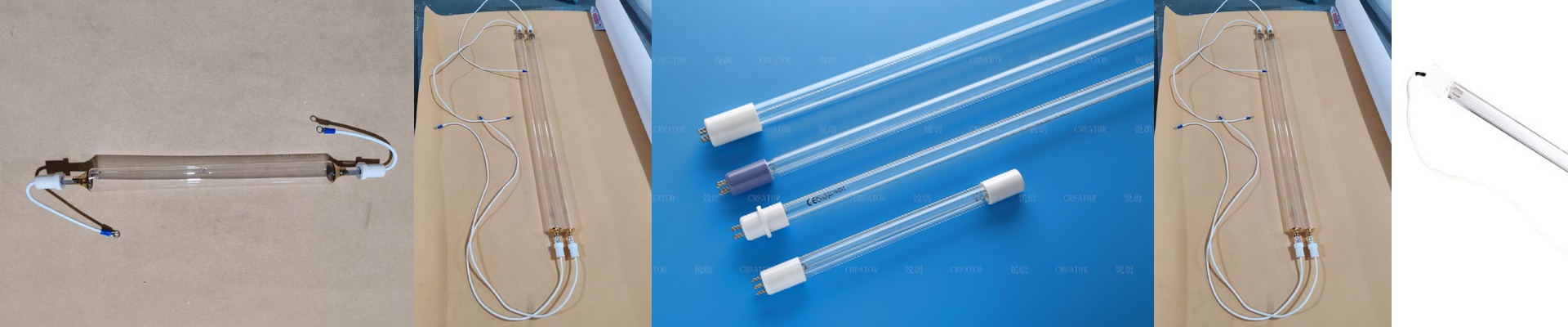
A pallet of finished goods leaves your plant. Two weeks later, it shows up across the ocean with scuffed packaging, micro-cracks in the varnish, and barcode laminate that’s delaminated. The claim lands on your desk: “in-transit damage.” On packaging lines, nobody doubts UV curing is fast. The real question is whether it’s stable enough to deliver consistent cross-linking, shift after shift, so the protective coatings actually do their job when the box gets handled, stacked, and shipped. We built our industrial UV curing conveyor lamp around one hard truth: packaging has to survive logistics, and the curing process has to be repeatable enough to make that outcome predictable.
What matters under the hood
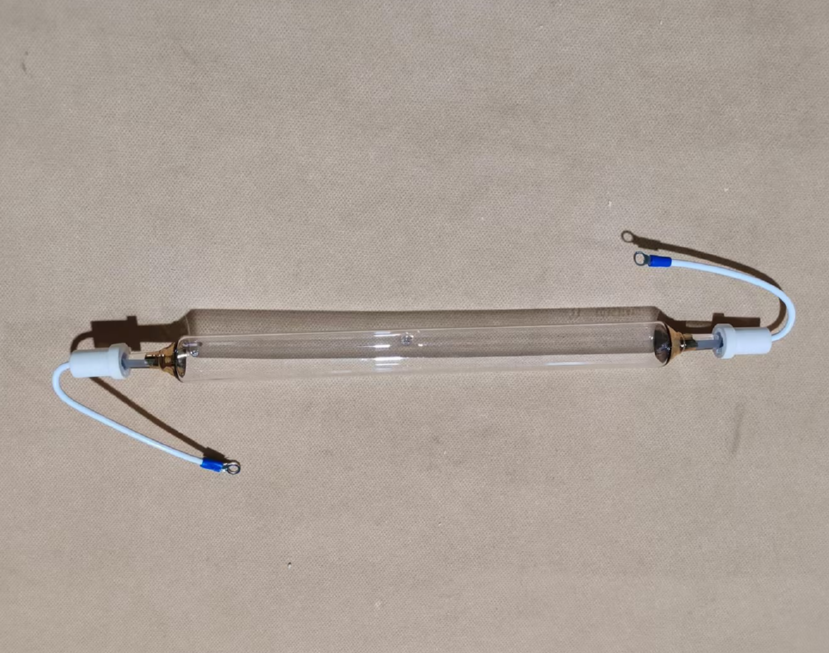
Packaging UV curing isn’t just “turn on the lamp.” It’s matching spectral output to the photoinitiator package, keeping irradiance stable across the full conveyor width, and holding that output long enough to hit the required energy density. Our conveyor lamp is designed as a complete curing module—lamp housing, power supply, cooling, and reflector geometry—so the dose delivered at the substrate is repeatable, not variable at the lamp housing. **Spectral output and the ink/varnish match.**The lamp runs on a high-pressure mercury vapor spectrum, with strong emission lines at 365 nm and 395–405 nm. Those wavelengths are where many packaging varnishes, overprint varnishes, and UV-curable laminating adhesives absorb efficiently, driving photoinitiator activation and rapid cross-linking. We control output by managing the discharge and the reflector system, not by throwing more power at it. Over-driving the arc pushes electrode temperature up and accelerates output decay; it doesn’t reliably buy you more cure. **Irradiance and dose repeatability.**Peak irradiance (mW/cm²) sets how fast the surface cures; energy density (mJ/cm²) determines whether the coating cures through its full thickness. We specify both at the conveyor plane, measured with a calibrated radiometer, because that’s the plane that matters for your process window. Across the entire curing width, the lamp holds tight spatial uniformity. If the center cures but the edges stay tacky, you’ll get intermittent adhesion failure—exactly the kind that shows up as delamination after vibration and shock in transit. **Lamp life and output stability.**High-pressure mercury lamps age. Output drops, and arc stability suffers. We design for slow, predictable degradation by controlling electrode temperature and keeping power delivery stable. In production, we routinely see units running beyond 5,000 hours while holding output within a narrow band—typically less than 5% drop from initial stabilized output, measured at the same distance and radiometer settings. That matters because your packaging SOP can’t be rewritten every time a lamp ages. **Reflector efficiency and spectral selectivity.**The reflector isn’t decoration; it’s part of the optical system. We use dichroic-coated reflectors to reflect UV while transmitting infrared away from the substrate. The result is a cold-surface curing profile: high UV flux with reduced IR heating. Less substrate heating means less warping on thin films, less distortion on heat-sensitive labels, and fewer blisters under thick coatings—failure modes that can be triggered by hot spots even when the UV dose looks sufficient on paper. **Electrical and mechanical integration.**The lamp ships as a system: lamp, igniter, power supply, and cooling interface are matched. It’s built to drop into industrial conveyor lines, with standardized mounting and wiring options. The point is to integrate without re-engineering the entire curing zone.
Why this matters for packaging, logistics, and zero-damage targets
Packaging that has to survive international logistics isn’t just about looks. It’s about structural integrity: scuff resistance, adhesion, and edge strength. When you cure a UV varnish or coating, you’re building a cross-linked network. Dose too low, and the network stays incomplete—coating stays soft. Dose inconsistent, and you get weak spots that fail under abrasion or shock. Our conveyor lamp supports “zero-damage” packaging goals in three practical ways. **Stable cure across the whole sheet.**On packaging lines, the substrate moves at line speed. The lamp has to deliver consistent irradiance edge-to-edge so the dose is uniform. That uniformity reduces variability in cross-link density, which directly cuts inconsistent abrasion resistance and adhesion. **Repeatable results shift to shift, line to line.**With stable lamp output, you can lock in the process: line speed, lamp power, and substrate distance. When output drift is small, you spend less time re-validating after lamp changes and less time hunting “mystery defects” that only show up on night shift. **Lower total cost of ownership, not just a lower lamp price.**Packaging lines run long hours. A lamp that holds output longer reduces unplanned changeouts. Fewer changeouts mean fewer stops, fewer re-threads, and fewer scrapped sheets during warm-up and stabilization. Energy consumption is part of the operating cost, too. The reflector system and efficient power delivery cut wasted heat, lowering cooling load and often reducing overall energy draw compared with older systems that rely on brute-force heating and inefficient reflector designs.
The real contrast: stability, life, and cost
When you compare curing systems, the meaningful difference isn’t marketing—it’s how the system behaves under sustained production. **Light output stability.**Some systems drop output fast in the first few hundred hours; our lamp is tuned to hold stable irradiance over thousands of hours. Practically, that means your dose setting stays valid longer, and your defect rate doesn’t creep up as the lamp ages. **Useful life.**Lamp life isn’t one magic number; it’s the point where output falls below your minimum required dose. We design for a long period of usable output, not a short burst of peak output that collapses quickly. **Operating cost, all-in.**The lowest purchase price can be expensive if it comes with high energy draw, frequent lamp changes, and unstable output that forces slower line speeds. Our system balances power delivery, lamp longevity, and cooling efficiency so the total cost per cured carton comes down.
The practical details that keep it honest
No industrial UV system is “set it and forget it.” The difference is whether the requirements are predictable and manageable. **Substrate distance and line speed are part of the lamp spec.**Irradiance drops with distance, and dose is the product of irradiance and exposure time. Change the lamp-to-substrate distance, and you change the dose. Lock the distance, then set line speed to meet the minimum required energy density for the thickest coating you run. **Oxygen inhibition at the surface is real.**On some clear coatings, surface tack can persist even when the bulk cure is complete. If surface cure is critical for scuff resistance, make sure the lamp output profile matches the photoinitiator sensitivity—and verify cure with a radiometer, not by eye. **Heat management is not optional.**Even with a cold-surface reflector design, the lamp still generates heat. Keep the cooling system maintained: airflow unobstructed, coolant lines clean, temperature sensors verified. Overheating shortens lamp life and can shift arc characteristics, hurting output stability. **UV intensity measurement requires discipline.**Use a calibrated radiometer, measure at the same plane as the substrate, and document the method. Without consistent measurement, you can’t tune the process or stand behind output stability claims. **Compatibility and integration.**The lamp is designed for conveyor-based UV curing zones, but it has to be matched to the power supply and igniter. Retrofitting a line with mismatched components can reduce output, shorten lamp life, and introduce electrical noise. Specify the full system as a matched set. If your packaging line’s performance is measured by shipments arriving intact—not by how bright the lamp looks—then the curing system has to be treated as a controlled process variable. Our industrial UV curing conveyor lamp delivers repeatable irradiance, stable spectral output, and long, predictable life so “zero damage” becomes a repeatable production outcome, not a hope.