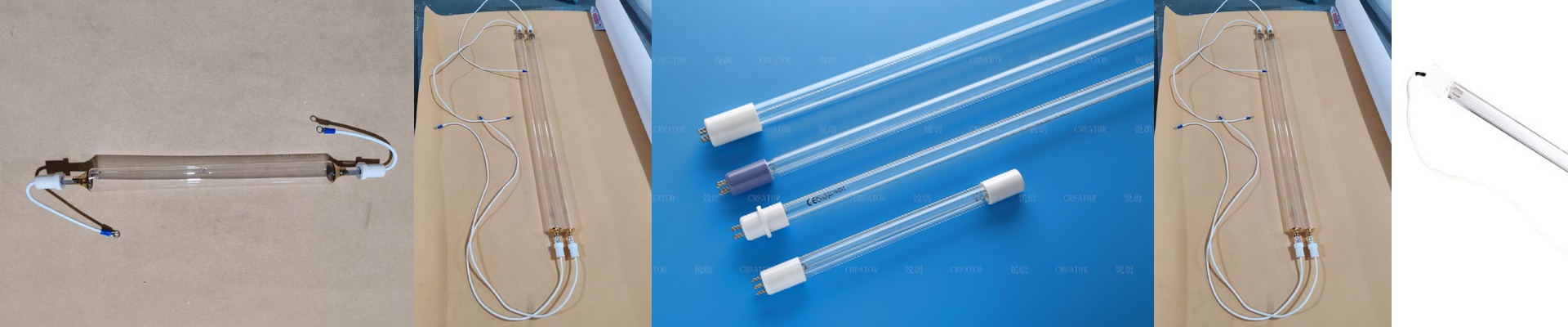
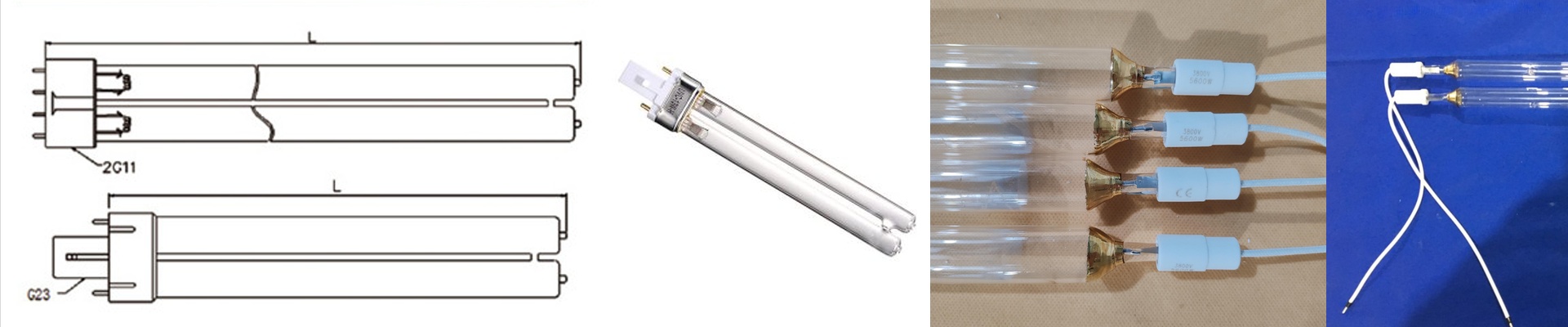
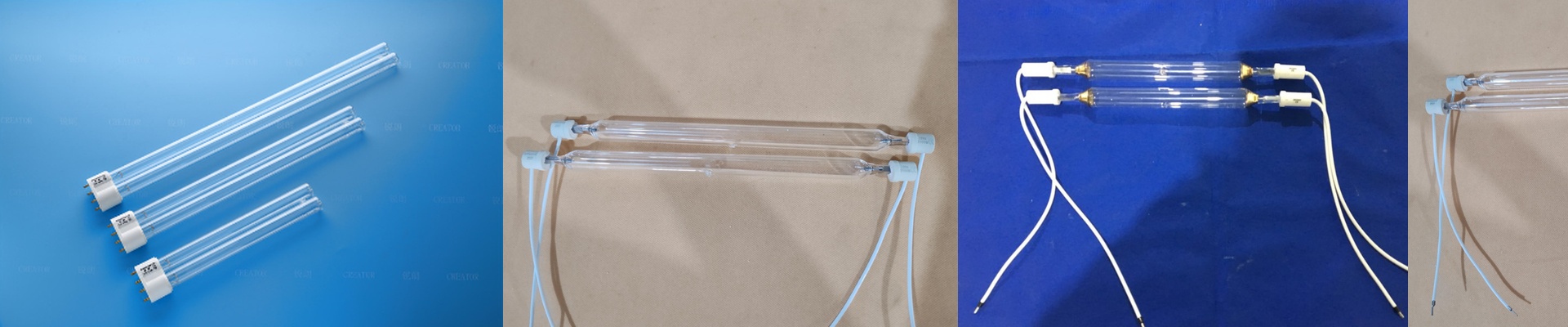
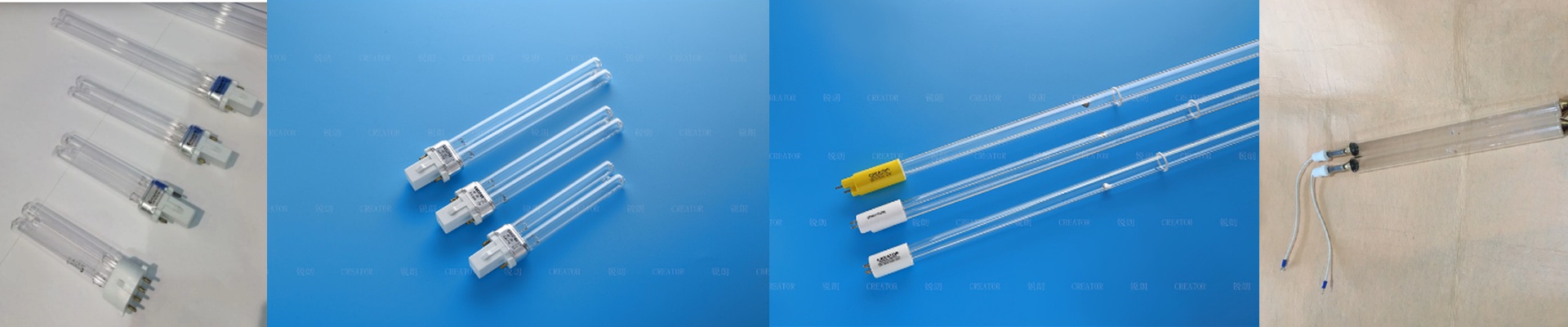
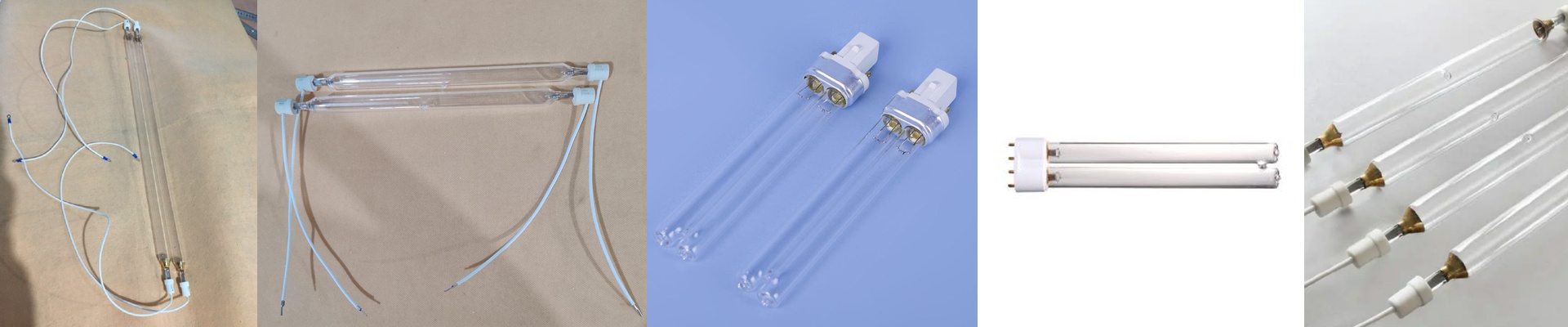
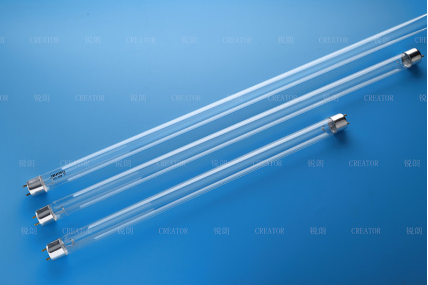
When you’re running a press that mixes conventional offset inks with water-based formulations, curing turns into a balancing act. Too much short-wave energy and the aqueous layer blisters. Too little, and the offset chemistry never cross-links properly. You end up with scuffing, set-off, and scrap. Here is the thing that matters technically. We build the custom UV lamps for offset around a medium-pressure mercury vapor source, tuned for the spectral output the job actually needs. We balance 365 nm, 385 nm, and 405 nm so the photoinitiator absorption lines up across both ink sets. Peak irradiance at the substrate lands at 8–12 W/cm², and we calibrate total delivered energy to 500–800 mJ/cm², depending on line speed and coating weight. A dichroic-coated reflector keeps the beam profile tight and repeatable the full length of the lamp, so the dose at the web edge matches the center within ±5%. Ozone-free quartz envelopes and a controlled thermal profile keep the substrate from scorching, even at 1,200 m/min. Why this works on hybrid ink trains comes down to spectral adjustment. We shift the output toward 385–405 nm to favor surface cure without overheating the water-based components, while still keeping enough 365 nm to drive depth cure in the offset layer. The payoff: the tack window tightens, set-off drops, and the run stabilizes. In practice, you get faster changeovers, fewer rejects, and consistent gloss without needing a second pass. Energy use falls because the lamp spends less time idled in over-cure. Now, a few realities to keep straight. Matching the lamp to the press geometry is non-negotiable. Confirm reflector width, focal distance, and shutter integration, and make sure your power supply holds a stable arc current so spectral output stays consistent. Expect a 2–4 week lead time for custom spectral tuning. Output will drift over time, so run radiometer checks every 1,000 hours and plan lamp replacement around 2,000–3,000 hours to keep dose repeatability where it needs to be.