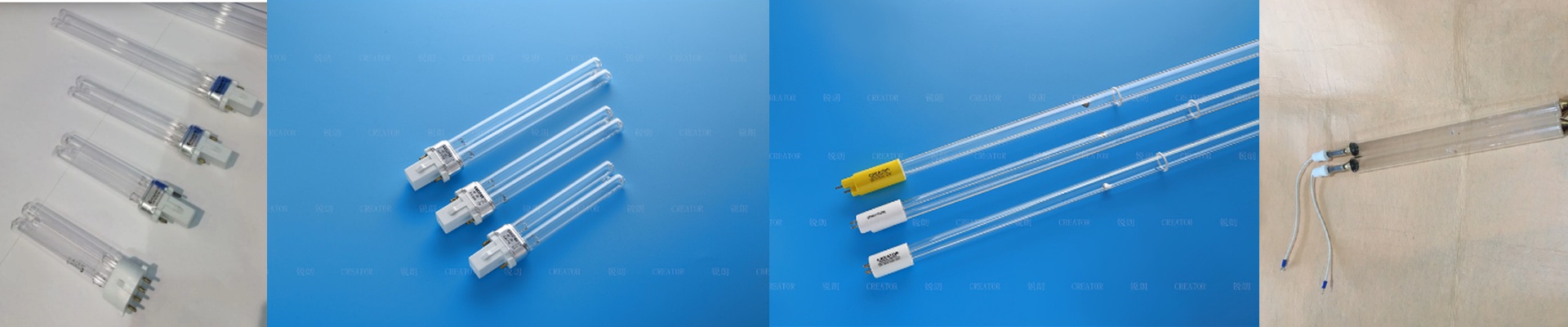
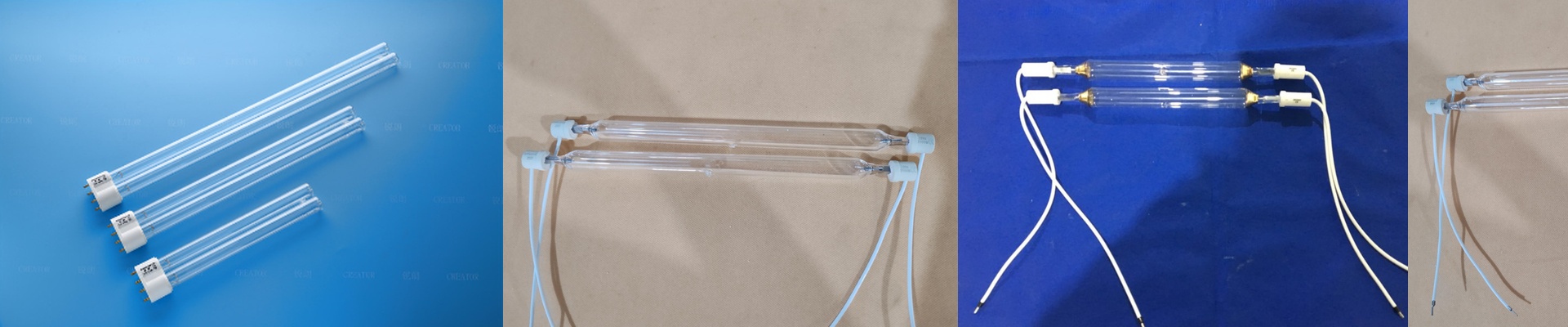
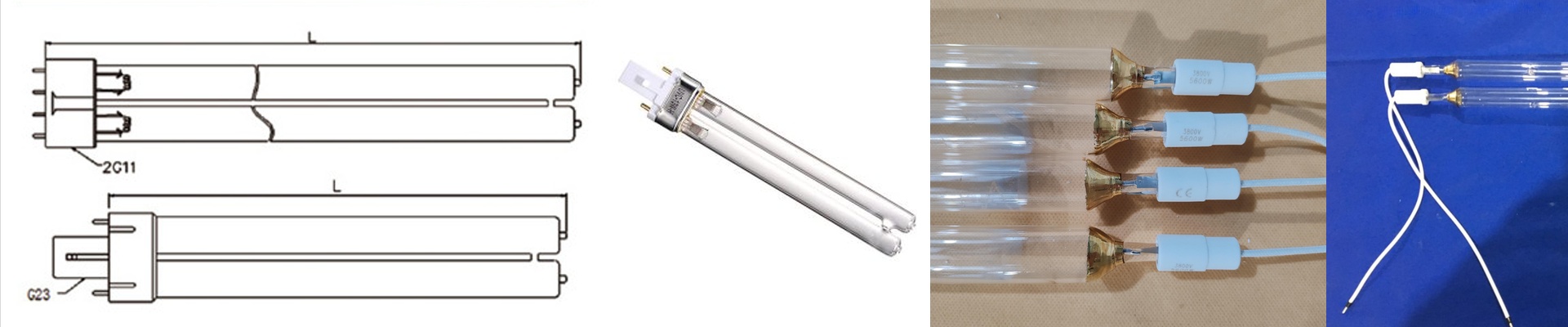
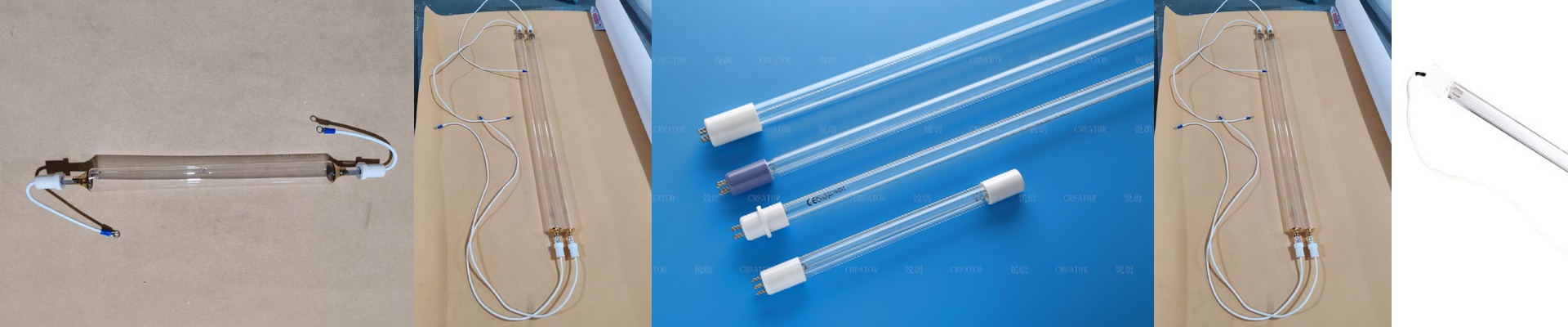
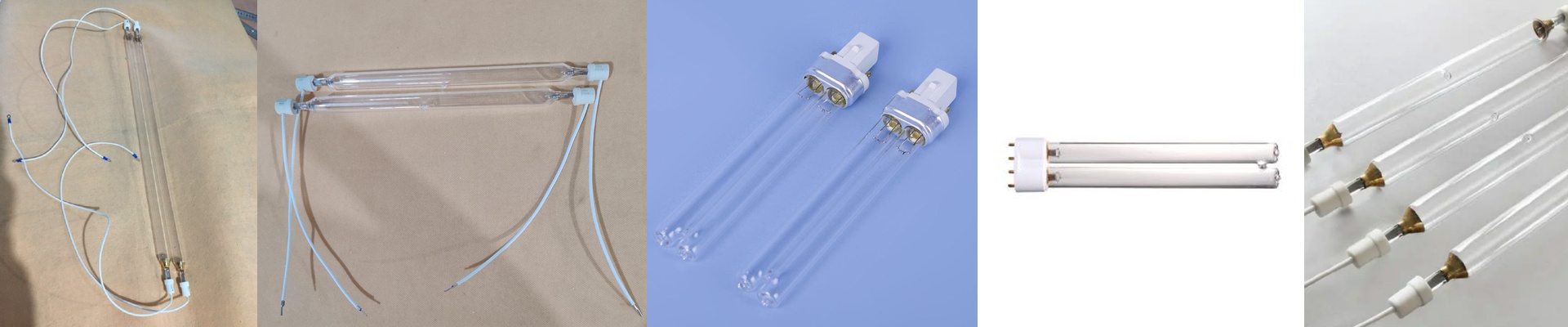
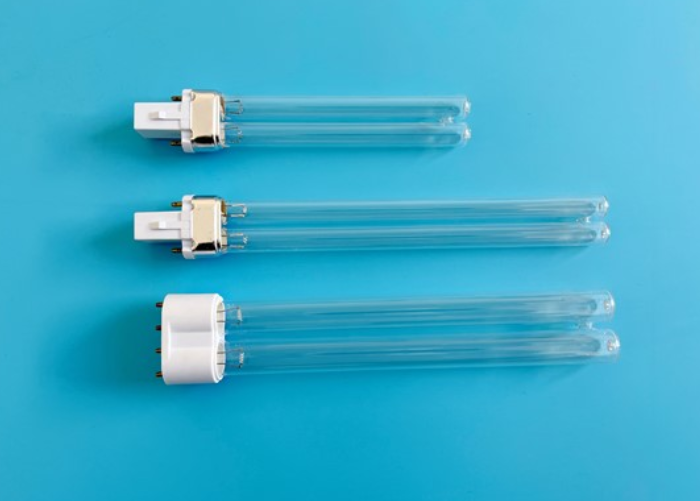
On the floor, a lamp that looks bright can still miss the mark if the spectral output is off. With low-pressure UVC germicidal lamps, you can do a quick sanity check without instruments: just watch the visible glow. A steady, controlled glow tells you the internal fill is right. A harsh blue-white flash? That’s trouble. What actually matters, technically A low-pressure mercury vapor lamp is built to deliver germicidal output at 253.7 nm. The visible glow isn’t the output—it’s a byproduct of the fill gas and mercury excitation. A quality lamp, with proper argon fill pressure and stable amalgam control, shows a soft, pale blue and lands around 6,500–8,000 K. If you’re seeing a hard 9,000–12,000 K blue-white, the lamp is likely over-driven or the fill gas is out of spec, and the UVC output will drift as line voltage shifts. Keep the visible hue consistent under normal ballast conditions, and the UVC output stays stable. Dose is measured in mJ/cm² at the target surface, and peak irradiance at 253.7 nm needs to remain repeatable across the lamp’s life. Here’s why this matters in practice. You need repeatable microbial inactivation without chasing lamps around every time the process hiccups. When a lamp holds its color temperature, it holds its UVC output, so dose calculations stay predictable. Fewer failed audits, stable cycle times, and replacement intervals you can plan around. We’ve seen units keep better than 90% of initial UVC output after 5,000 hours, as long as the visible glow stays steady and the electrodes show low sputter. A few shop-floor basics. Match the ballast to the lamp’s electrical characteristics; a mismatch pushes the lamp, shifts color temperature, and hastens end-of-life. Keep the quartz sleeves clean—fouling drops irradiance faster than lamp aging. And confirm ozone-free operation by checking the lamp uses synthetic quartz with the correct cutoff. Ozone won’t show up in the glow, but it will hit safety and surface compatibility.