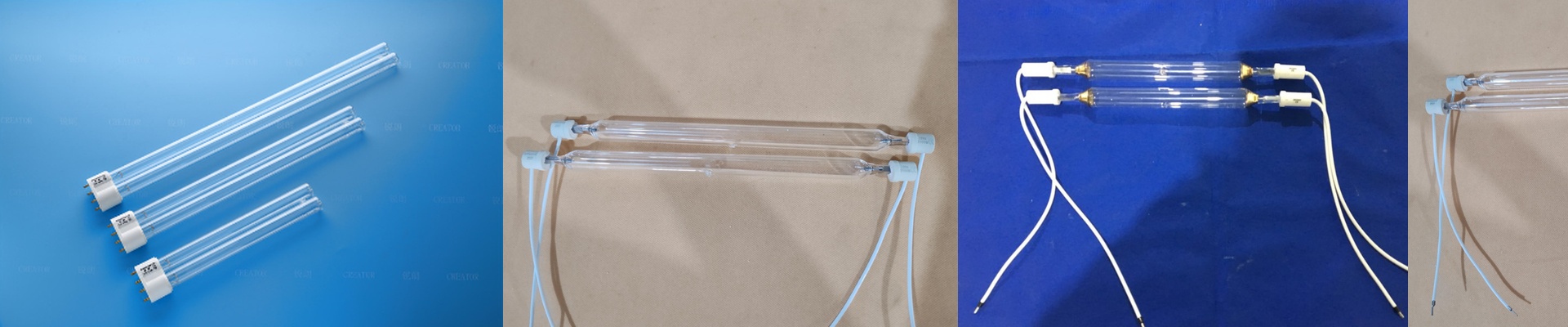
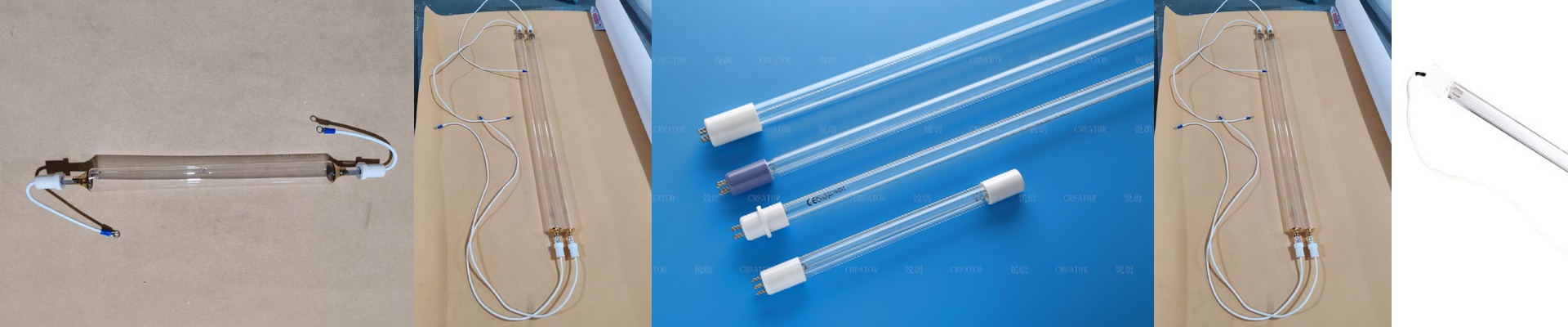
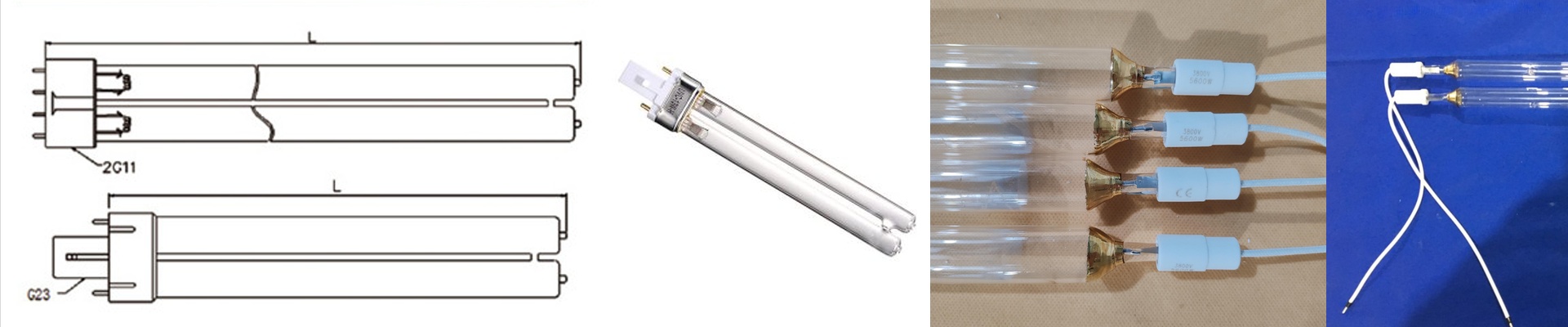
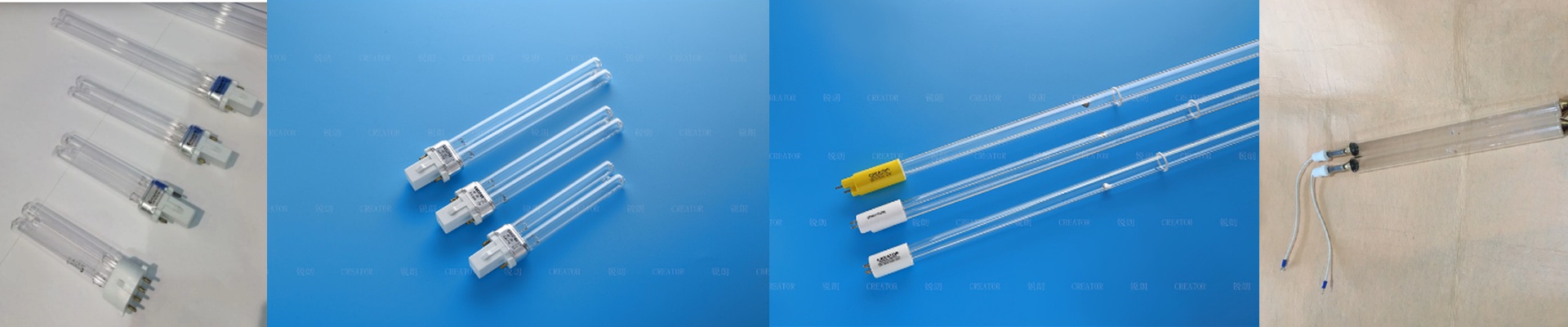
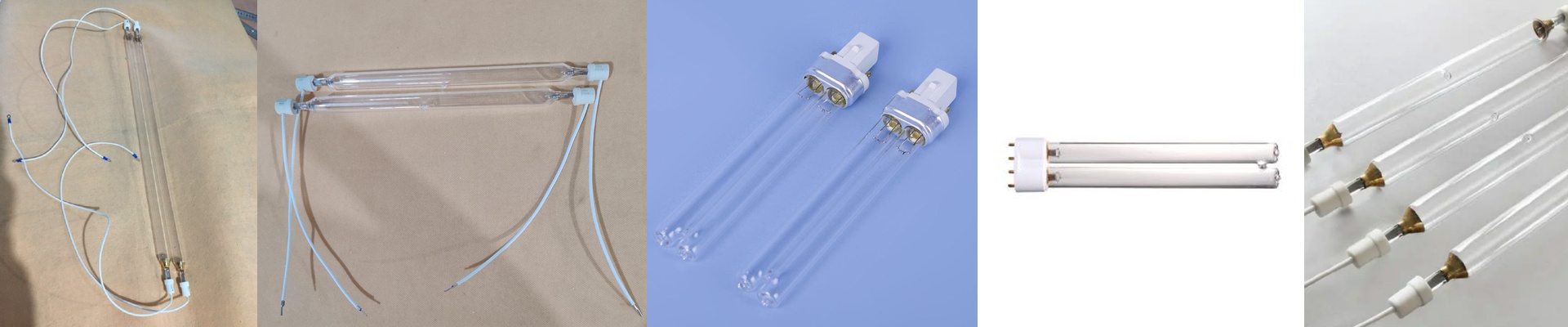
On the paper coating line, inconsistent gloss and incomplete cross-linking aren’t theoretical. They hit you as scrap, reruns, and downtime you simply can’t absorb. The culprit is often not the coater or the formulation—it’s UV output stability. Mercury UV lamps built from 99.99% high-purity quartz give you repeatable spectral output, exactly what paper coatings need to cure reliably at line speed. Here’s what actually matters: spectral output and stability. In a high-pressure mercury vapor lamp, the dominant lines at 365 nm, 405 nm, and 436 nm drive photoinitiator absorption and polymer cross-linking. 99.99% quartz cuts down bubbles, metallic impurities, and hydroxyl absorption, so the lamp hits target irradiance faster and holds it longer. You want a spectral output curve that stays put, not one that drifts. Pair that with a well-matched reflector and dichroic coating, and peak irradiance at the web stays consistent—repeatable energy density in mJ/cm² across the full width. Why this works on paper coatings is pretty direct. The coating is thin, and the curing window is tight. You need high intensity without scorching the substrate. A mercury UV lamp brings the short-wave punch to kick off surface cure and the medium-wave energy to finish cross-linking through the coating. The payoff: fewer pinholes, better control over gloss, and faster cycle times. You use less energy because the system cures on the first pass, and lamp changes drop—field-proven runs exceed 5,000 hours while keeping output within tolerance. A few shop-floor realities: mercury UV lamps need exact ballast matching and clean reflector alignment. If you run at the wrong arc length or voltage, the spectral balance shifts and lamp life gets cut short. Integrate the lamp only with compatible shutters and cooling, and keep ozone-free designs in mind when space is tight. Make sure your spectral radiometer settings line up with the lamp’s dominant wavelengths—otherwise you’ll read low irradiance even when the process is on target.