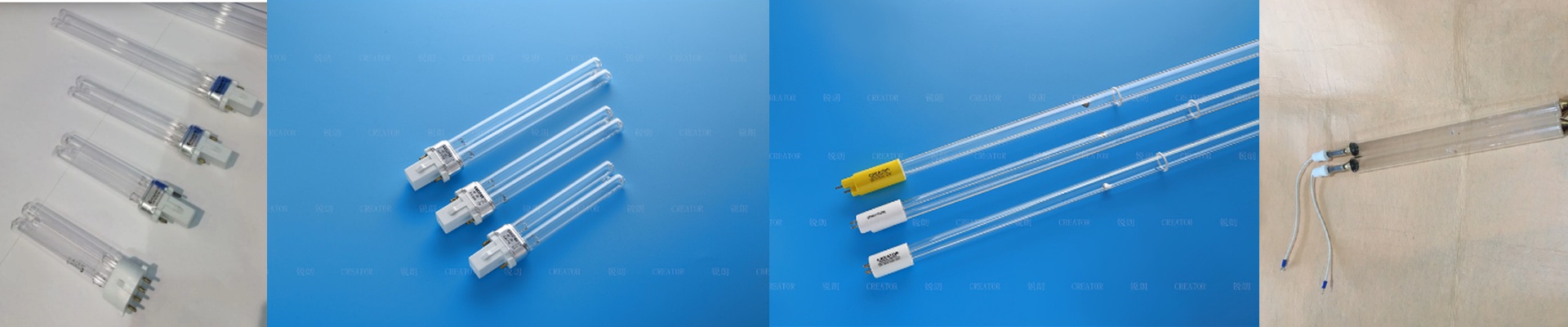
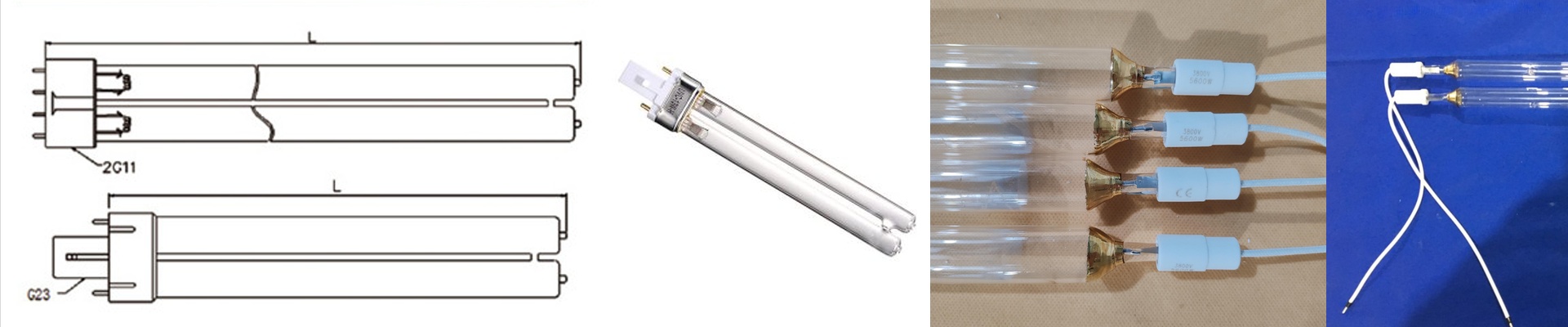
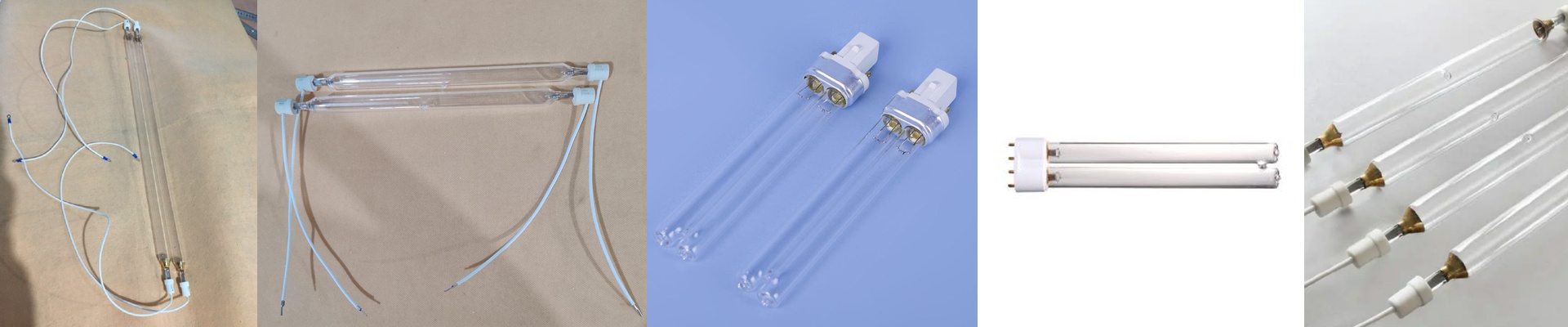
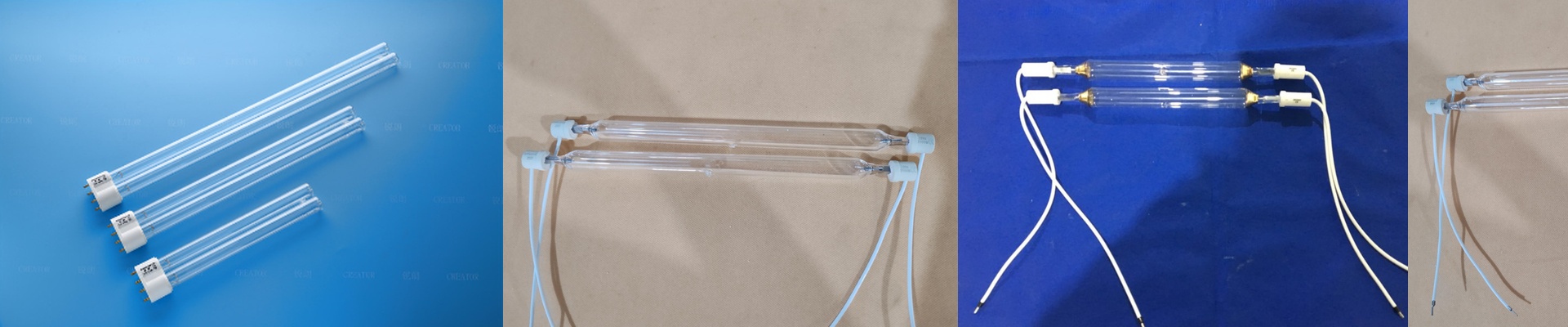
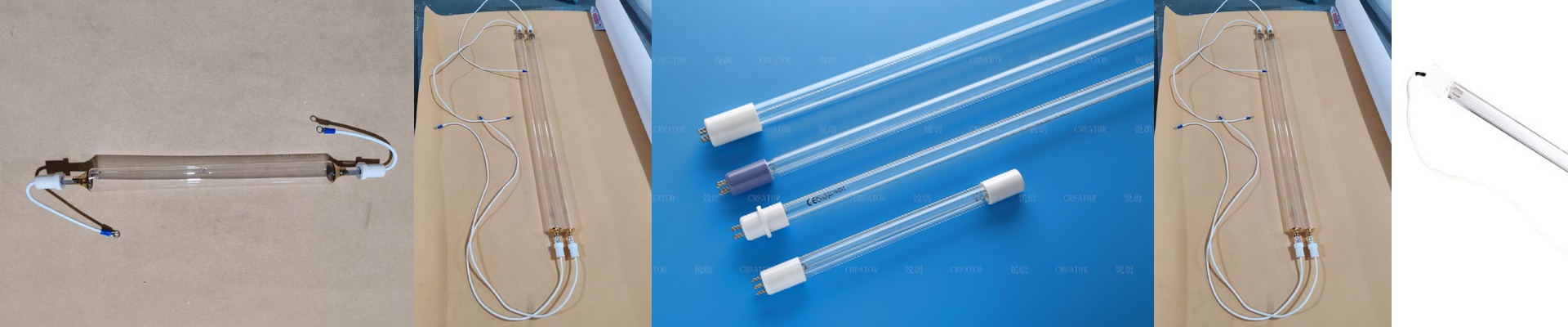
Getting the Most Out of Our 120W/cm Mercury UV Lamps
When we build our standard mercury UV lamps, we aim for a linear power density of 120W/cm. Now, that might sound like just another spec on a datasheet, but in the real world, it’s the difference between a perfect print and a wasted roll of fabric. It’s all about how fast your ink or coating actually sets. For those of you in textile printing, this is the sweet spot. It gives you enough punch to bond the pigment to the fabric, but not so much that you end up scorching your fibers.
Balancing Power and Heat
Think of a 120W/cm rating as a concentrated blast of UV energy running the length of the lamp. We use high-purity quartz glass to hold the mercury vapor, which is what turns your electricity into that UV glow. But here’s the thing: you have to play it smart with your conveyor speed. If your line crawls, you’re going to overheat the material. Too fast? The ink stays tacky, and you’ve got a sticky mess on your hands. It’s a bit of a balancing act. And let’s be honest—these things gethot. Really hot. You’ll need a solid cooling system, whether that’s forced air or water-cooled jackets. If you skimp on the cooling, your lamps are going to burn out way sooner than they should.
The Science (Simplified)
Inside the tube, we’re basically exciting mercury atoms to create a broad spectrum of UV light—mostly UVC and UVB. This is the “magic” that triggers the photoinitiators in your ink and makes it harden. We spend a lot of time calibrating the gas pressure inside the tube so the output stays steady. One quick tip: give them a minute. These lamps aren’t like LED flashlights; they need a little warm-up time before they hit that full 120W/cm power.
Putting It Into Your Workflow
In the textile world, nobody wants the ink to migrate or blur. We designed these tubes to be simple drop-in replacements for your existing curing arrays, so you don’t have to rebuild your whole setup. Just a couple of reminders for the install: First, get some proper shielding. UV light isn’t something you want your team staring at. Second, double-check your ballast. Make sure it matches the lamp’s impedance. If they aren’t in sync, you’ll get flickering or voltage spikes, and that’s a great way to snap a filament.