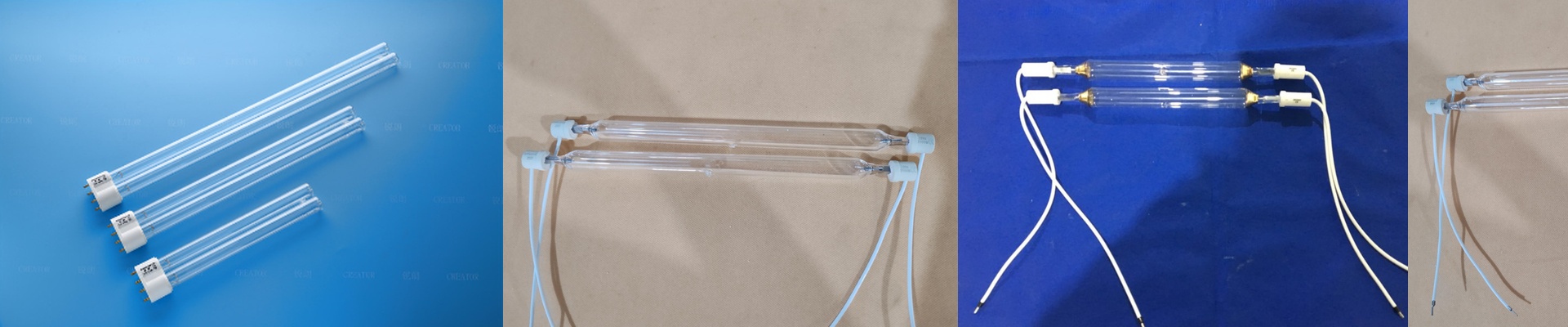
Introduction
We build UV curing lamps for the real world—your shop floor, not some sterile lab. If you’re running label printing on a Flexo press, you know the drill. You need a UV source that just keeps its head down and does its job, cycle after cycle. Because the moment that lamp starts to wobble, your print quality falls apart. You get blurry patterns, colors bleeding where they shouldn’t. So we built a UV lamp that refuses to wobble. It locks in your curing profile and holds it steady, even on those marathon print runs.
Technical Deep-Dive
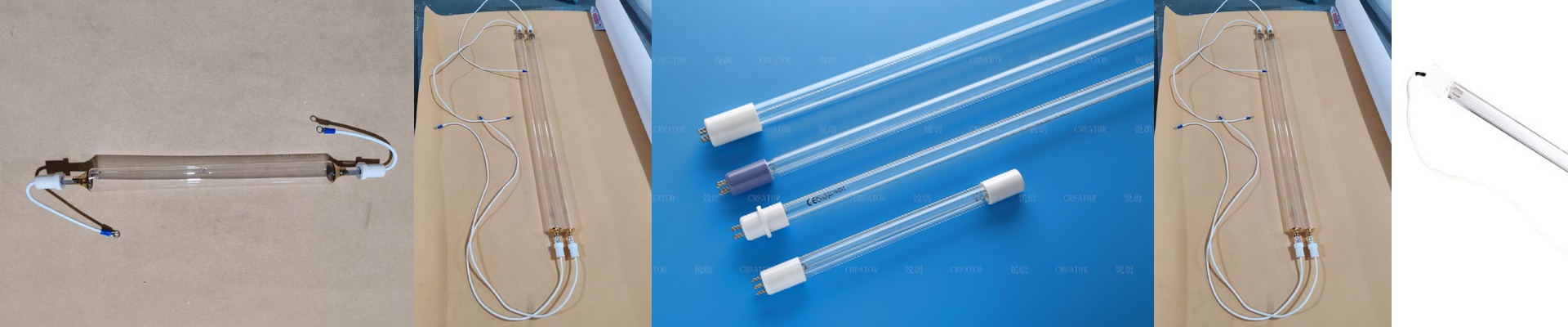
Here’s the thing about a stable cure: it has to start with rock-solid electrical behavior. Our lamps run on a high-voltage, high-wattage design that gives you repeatable power, every single time. That means the spectrum of light stays consistent across the whole tube. No drift. No surprises. Just the same energy hitting your ink, over and over. And it fits. The footprint is designed to drop right into standard press sections—compact enough for tight spots, yet long enough to cover the full print width without creating hot spots. It’s a power-dense solution, which means it cures fast. But that also means it throws off real heat. Plan your cooling and airflow upfront, or you’ll just be chasing thermal drift later.
Material & Design
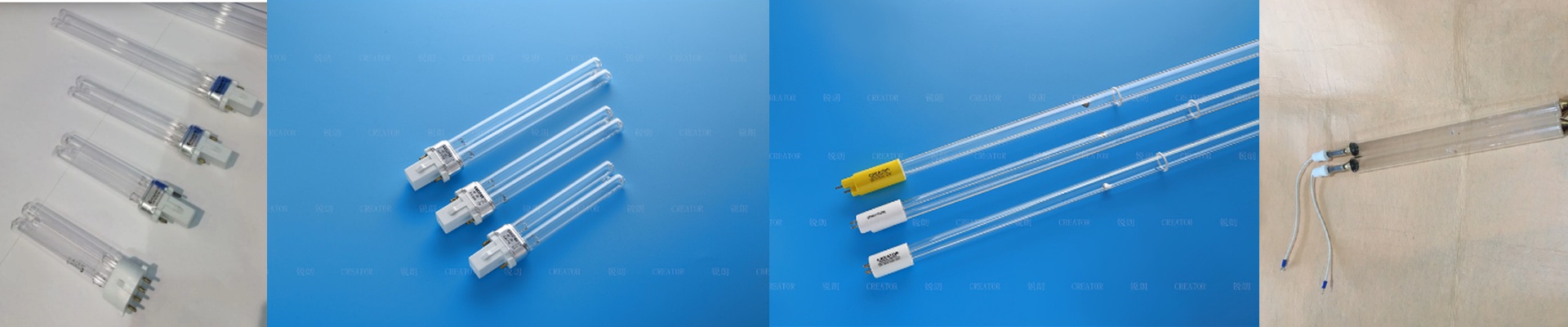
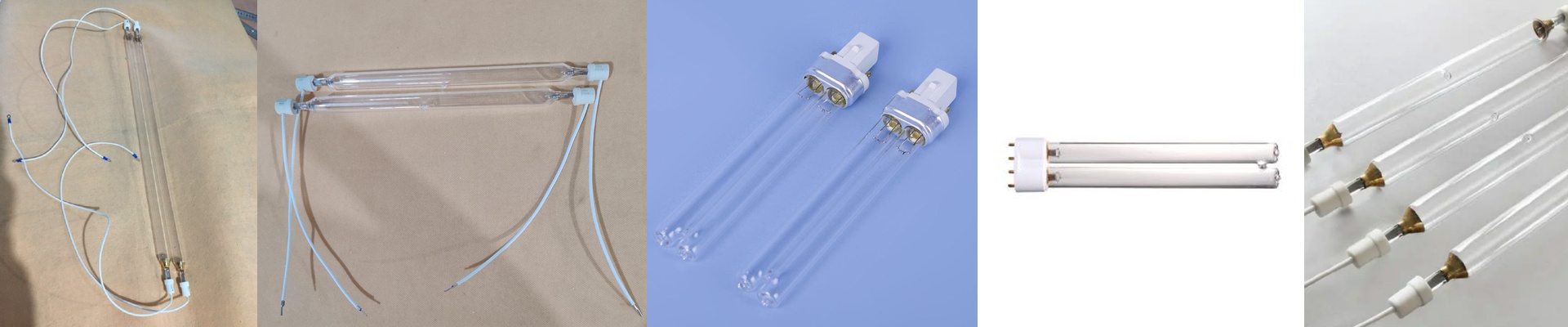
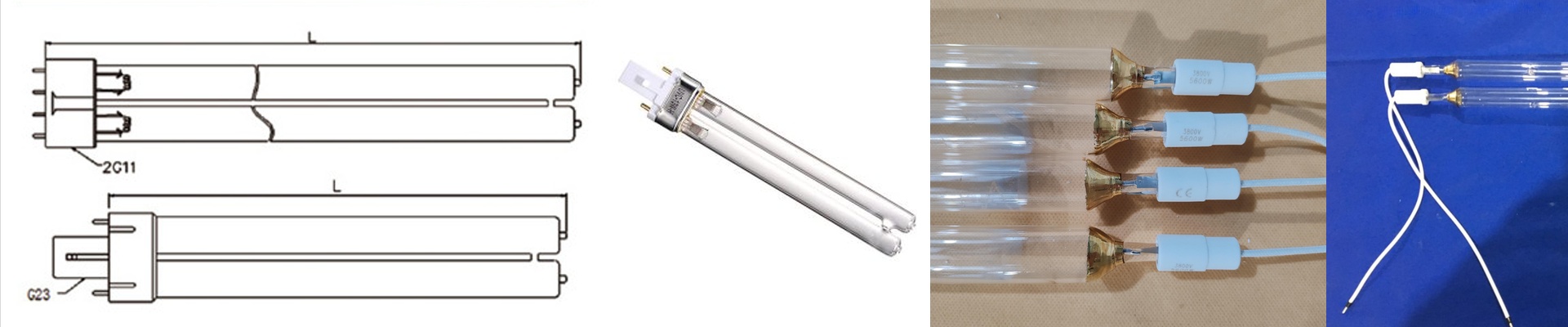
We chose a halogen-based UV source inside a quartz envelope because it can handle high current and rapid on/off cycles without falling apart. The internal coating is tuned to deliver shortwave output—exactly what many Flexo inks need to set quickly and cleanly. And that R7s connector? It’s more than just a convenience. It’s a mechanical and electrical anchor. It keeps the tube aligned, cuts contact resistance, and holds the arc steady even when the press is shaking. That rigidity is why the lamp stays put, and why you stop seeing those soft, out-of-focus edges that come from a shifting beam.
Application & Benefits
On the label printing floor, inconsistency is the real killer. With this lamp, you get high stability. Output doesn’t swing around with line voltage dips, so the fine text and halftones stop ghosting and blurring. Registration gets sharper. Rejects drop. Rework shrinks. It’s a straight drop-in replacement for standard press-integrated curing stations, and it’s tough enough to handle the daily shock of starts and stops. Just keep one thing in mind: the high power density needs a properly spec’d cooling path. Set that up right, and the lamp just performs—no drift, no guesswork.