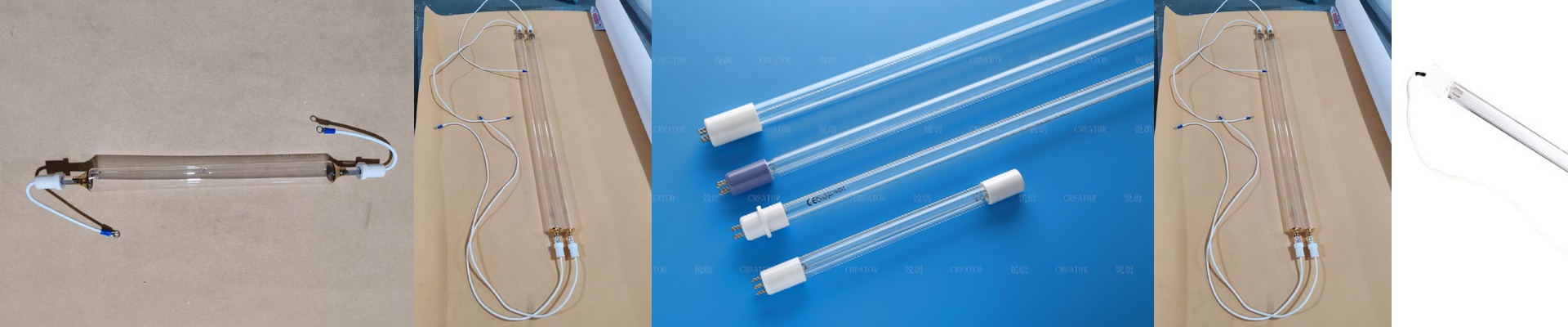
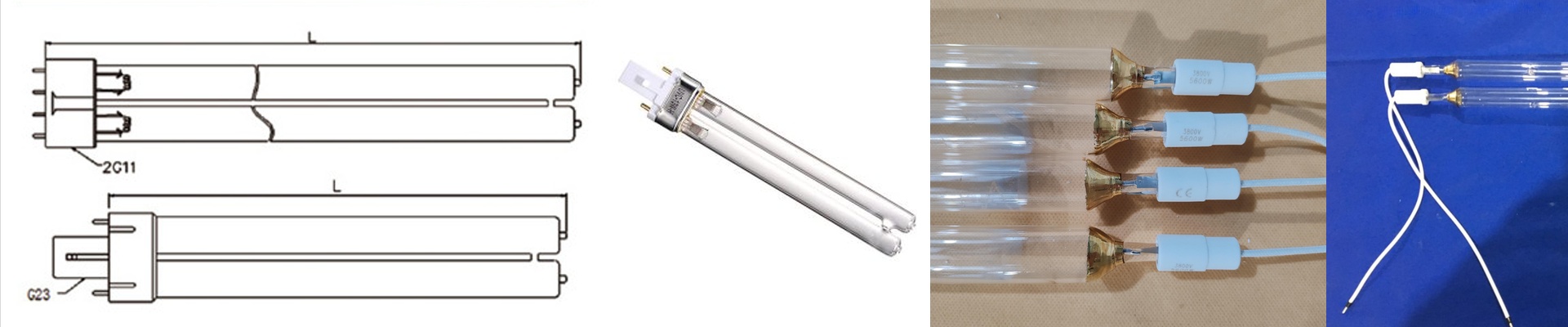
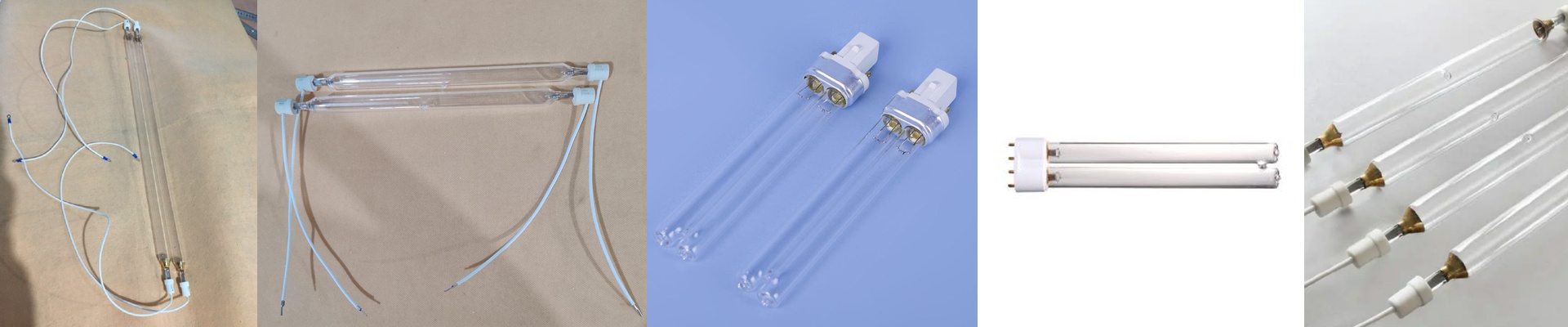
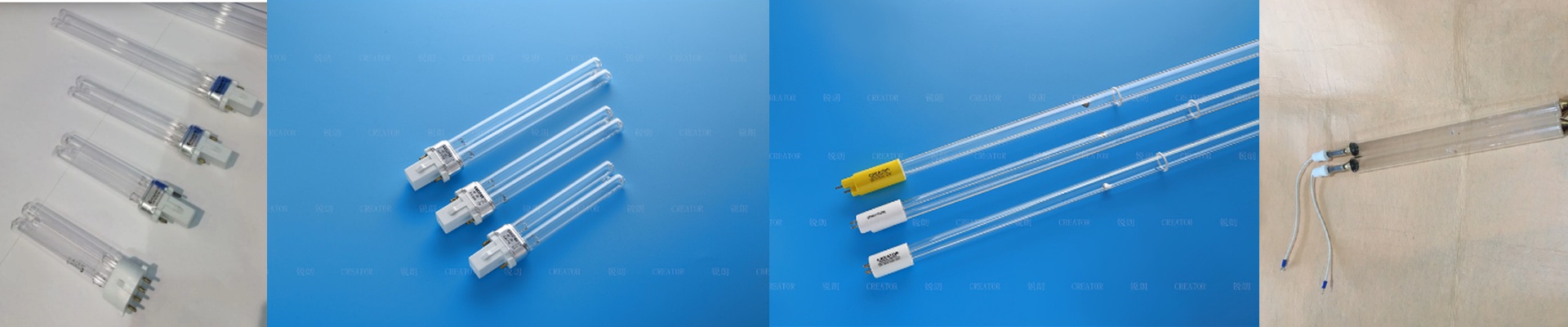
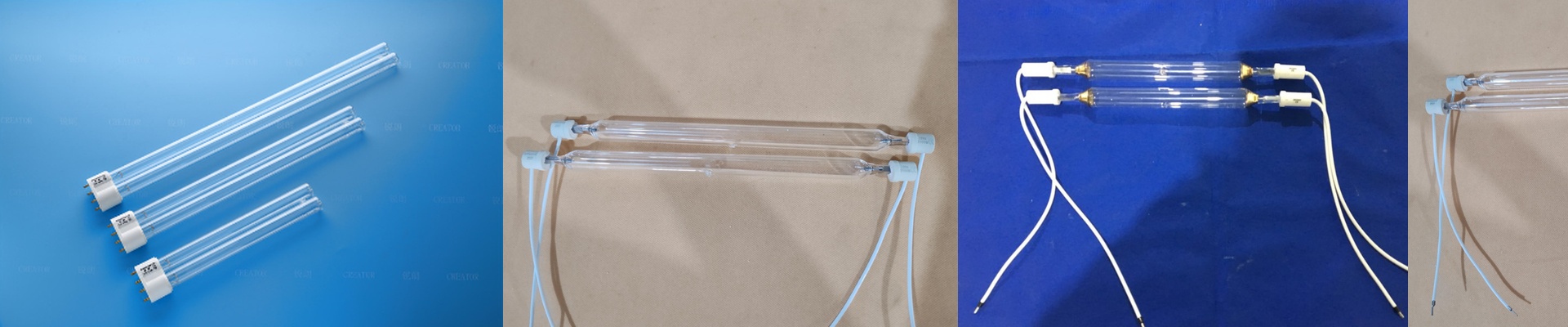
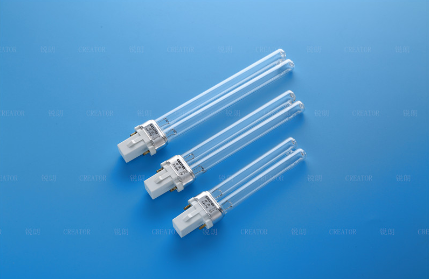
UV Curing Lamp for Optical Fiber: Precision Heat for Repeatable Bonds
We built this UV curing lamp for the real world of optical fiber lines. Out there, you don’t have time to tweak settings every shift. You set it once, and it just has to work. So we made a lamp that delivers steady, repeatable output in a compact footprint. The result? Your coating cures cleanly—without overheating the substrate.
Power, Voltage, and Size—Kept Practical
It runs at 400V and 2500W, with a 300mm active length. Why that combo? Because you need serious energy packed into a short zone so the UV-curable coating hits cure temperature fast—without forcing you to slow the line. And that 400V supply? It keeps the current lower for the same power, which means you don’t need bulky conductors, and the arc stays stable across the quartz envelope. The 300mm length is a smart compromise. Long enough to create a uniform thermal window along the fiber path, but short enough to fit into tight curing stations without redesigning the whole setup.
Built to Stay Consistent: Quartz, Halogen, and R7s
At the heart is a quartz envelope with a halogen fill. Quartz handles rapid heating and cooling without complaining, and it keeps UV transmission steady. The halogen fill helps the filament stay stable, so output stays consistent over the lamp’s life. Less drift means fewer line stops just to re-validate. And the R7s connector? It’s the no-drama, industrial-grade way to make replacements quick. It carries the high current, seats the lamp right where it belongs in the reflector, and gets a burnt-out lamp swapped in minutes. On a 24/7 line, that’s downtime you don’t have to fight.
What It Feels Like on the Line
On optical fiber lines, heat has to land exactly where it’s needed—and stay away where it isn’t. This lamp gives you focused, repeatable curing for coatings and jacketing, with a temperature profile you can count on to keep line speed steady. It’s a drop-in unit, so you can upgrade an existing station without rewiring the whole bay. Now, the trade-off: that 2500W density is what makes the cure fast, but it needs cooling that’s up to the job. Airflow, heat shielding, and thermal management have to match the lamp. When they do, curing stays stable—fewer scraps, less rework, and a line that just keeps moving.