Keeping Your Line Moving with Standard Mercury Bulbs
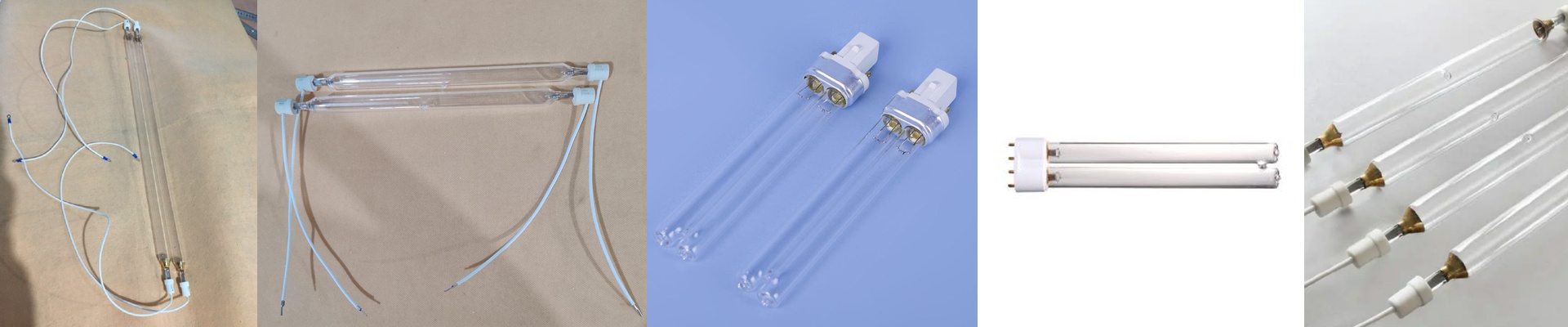
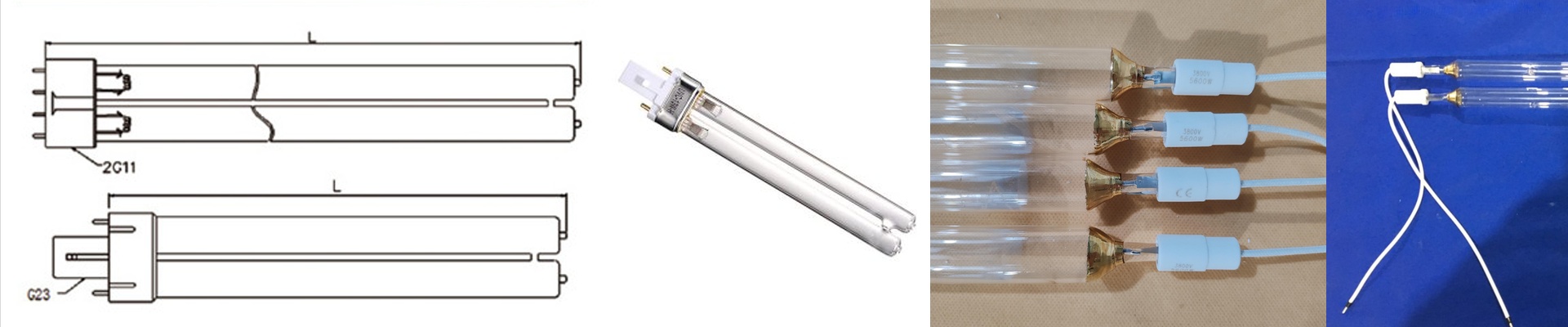
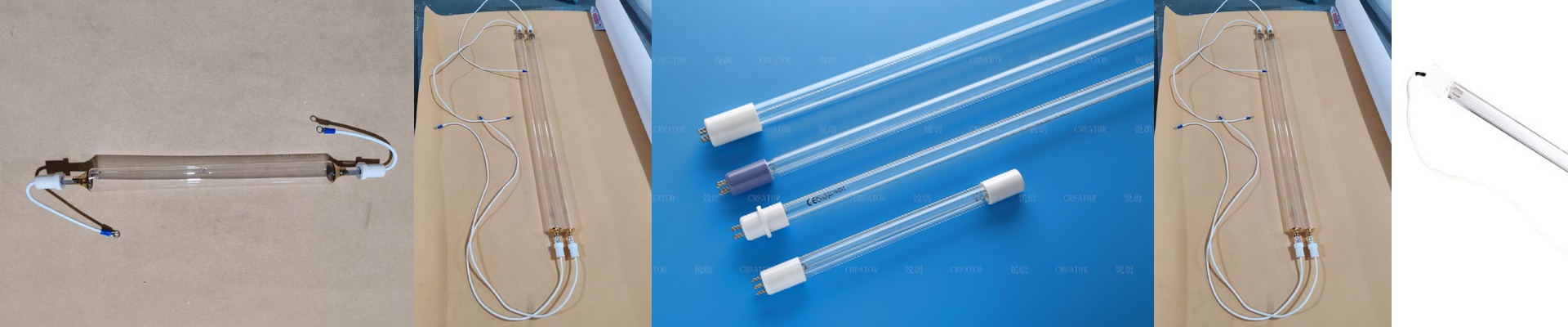
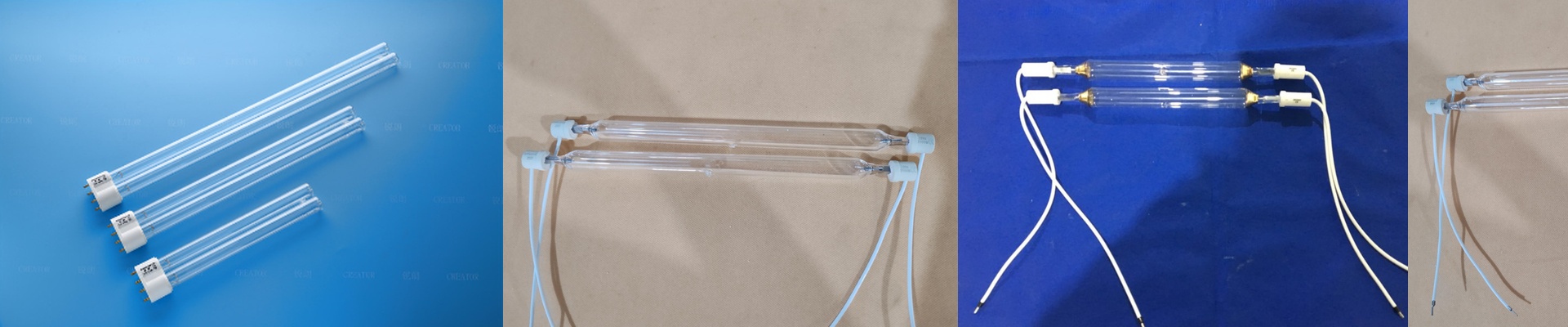
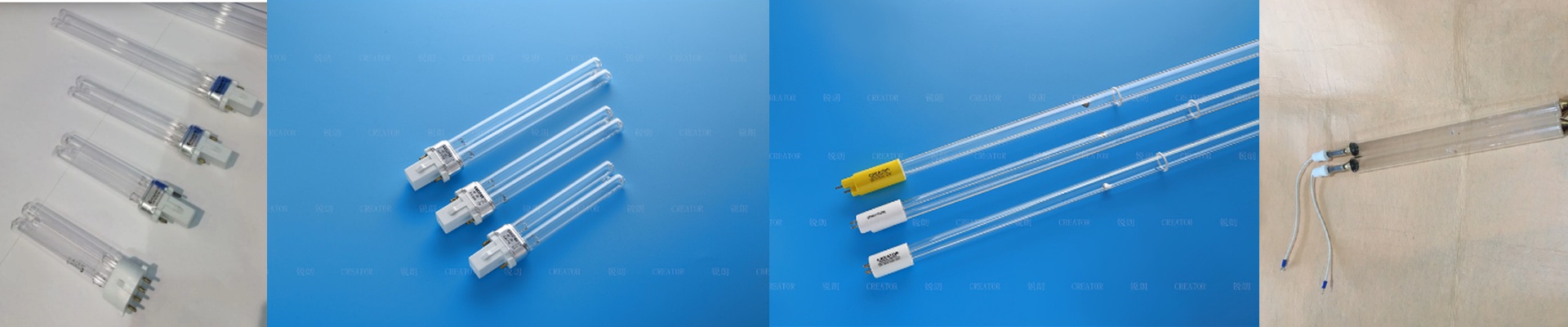
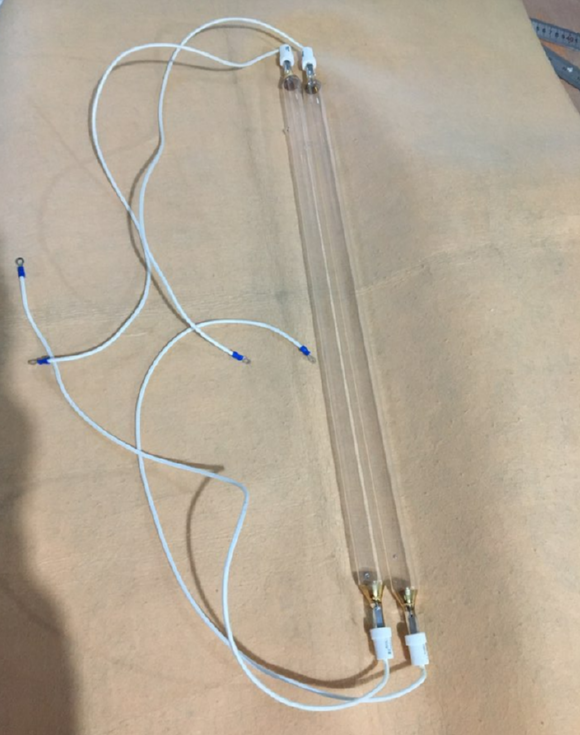
Let’s be honest: standard mercury UV bulbs are the unsung heroes of the factory floor. They do the heavy lifting, hitting those resins and inks with the exact kind of radiation needed to make everything set and stay. But here is the reality of high-volume production. These bulbs are consumables. They’re going to burn out. And when that happens, your entire line stops. That’s why having a replacement ready to drop in isn’t just a “nice to have”—it’s the only way to keep your uptime where it needs to be. Getting the balance right We tune these bulbs to hit those specific wavelength peaks, usually around 254nm. But it’s a balancing act. If you crank up the wattage too high in a tight space, you’re going to scorch your materials. It’s a fine line between a perfect cure and a ruined substrate. You’ve got to play with your conveyor speed and UV intensity until it just feels right. The nuts and bolts We use high-purity quartz glass because we want as much UV light as possible getting through. Plus, we stick to standardized end-caps. Why? Because a loose fit is a nightmare. It leads to light leakage, wasted energy, and a lot of frustration. We keep these standard specs in stock so you aren’t stuck waiting on a custom order while a machine sits idle on your floor. Dealing with the supply chain Nobody wants a warehouse full of fragile glass tubes. It’s a liability and a waste of space. We handle the hoarding for you. We keep plenty of our best-sellers on the shelves so you can get what you need, exactly when you need it. One quick heads-up: remember that mercury lamps aren’t “instant-on.” They need a bit of time to warm up before they hit full power. If your process can’t handle that lag, you might need to look at different chemistries. But for most steady-state operations? These are easily the most cost-effective way to get your UV dose.