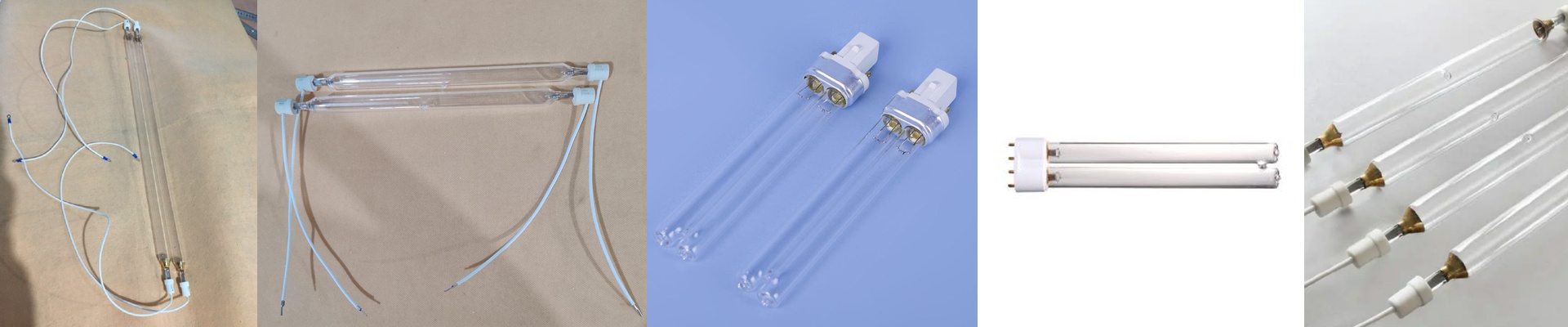
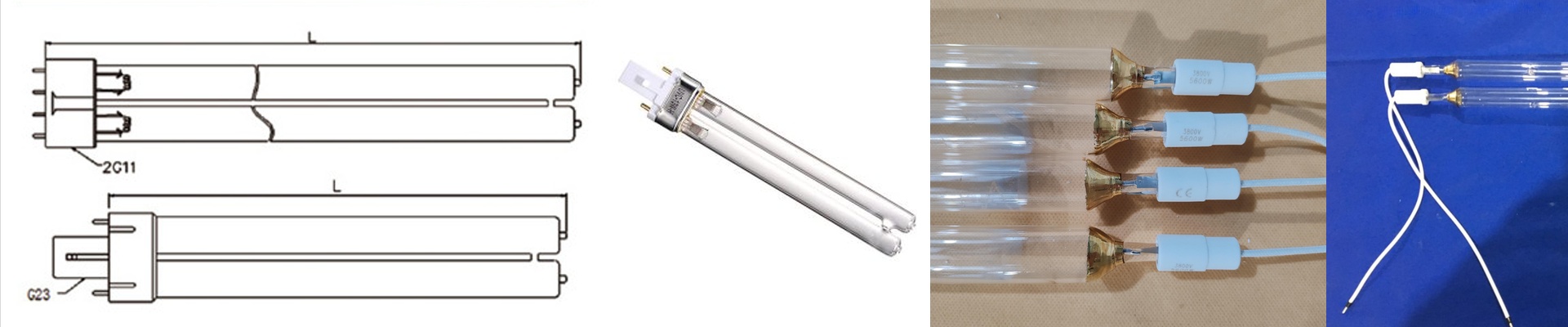
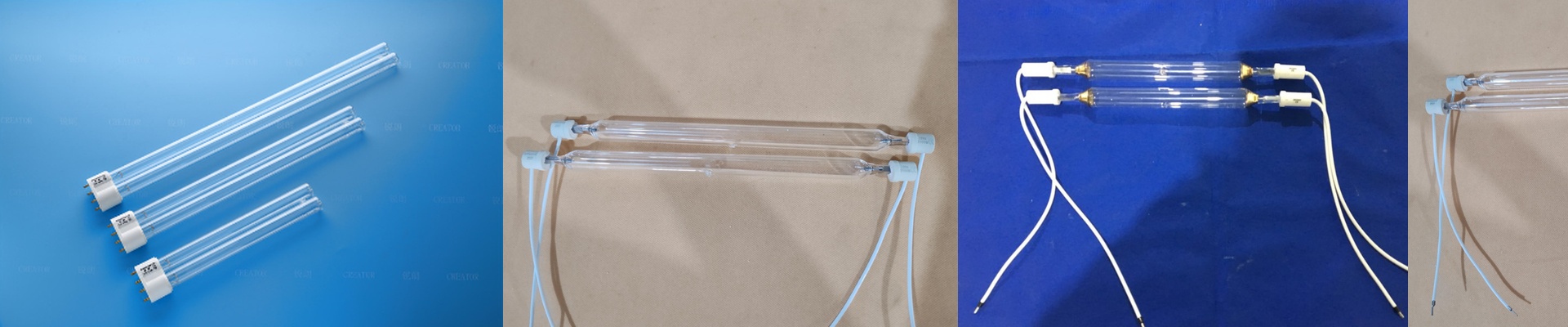
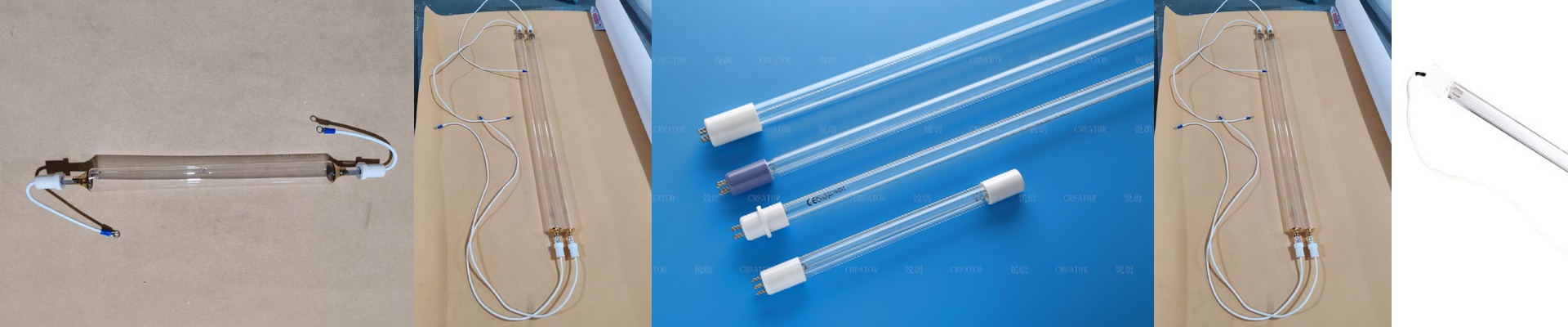
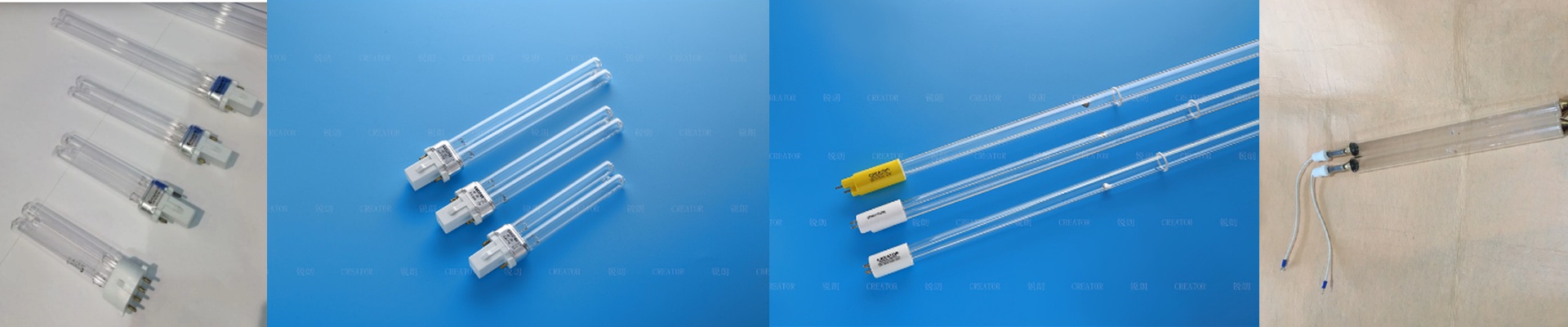
Old offset, flexo, or screen lines don’t go down because the gears are worn. They go down because the UV output slips below the energy the ink system needs to fully cross-link. As mercury lamps age, the spectral output drifts, reflectors lose reflectivity, and peak irradiance collapses. The result is predictable: incomplete cure—tacky surfaces, adhesion issues, and the need to throttle back press speed just to avoid defects.
What matters, technically
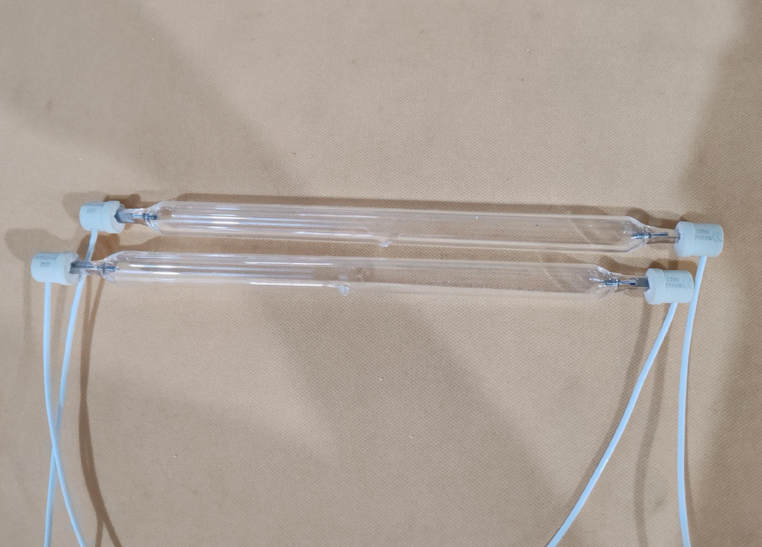
We build high-intensity UV lamps that hold steady output, tuned for mercury vapor emission. You get strong energy in the 365 nm band, plus usable output in the 385–405 nm range so you can match the photoinitiator package. Peak irradiance is engineered to exceed 12 W/cm² at the arc, and in typical press setups, the curing energy density on the substrate runs above 800 mJ/cm². The reflector uses a dichroic coating to bounce the useful UV while letting heat pass through. That improves spectral efficiency and keeps substrate heat load in check. Depending on power density and how you run the lamp, life targets are 2,000–5,000 hours, with output held steady through controlled arc stability and consistent quartz transmission.
Why this works in the real world
Upgrading isn’t about replacing the press. It’s about restoring the curing window the machine was designed to run within. The drop-in solution brings back the intensity you lost, so you can run at the speed the press was built for—without having to back off lamp power just to protect the substrate. You end up with higher press speeds, fewer rejects from under-cure, and more repeatable color and finish because the dose at the sheet stays consistent. Energy use typically drops when the system cures faster at the same speed, and maintenance intervals stretch out since the lamp and reflector are spec’d for industrial duty cycles.
The details that make the difference
Retrofit success comes down to fit and electrical compatibility. Confirm lamp length, arc gap, base type, and ballast compatibility before you start. Output is sensitive to reflector cleanliness, lamp alignment, and cooling airflow—keep the ducting clear and keep the lamp surface free of ink residues. And don’t assume max intensity is always best. Match the dose to the ink formulation to avoid over-cure and substrate stress.