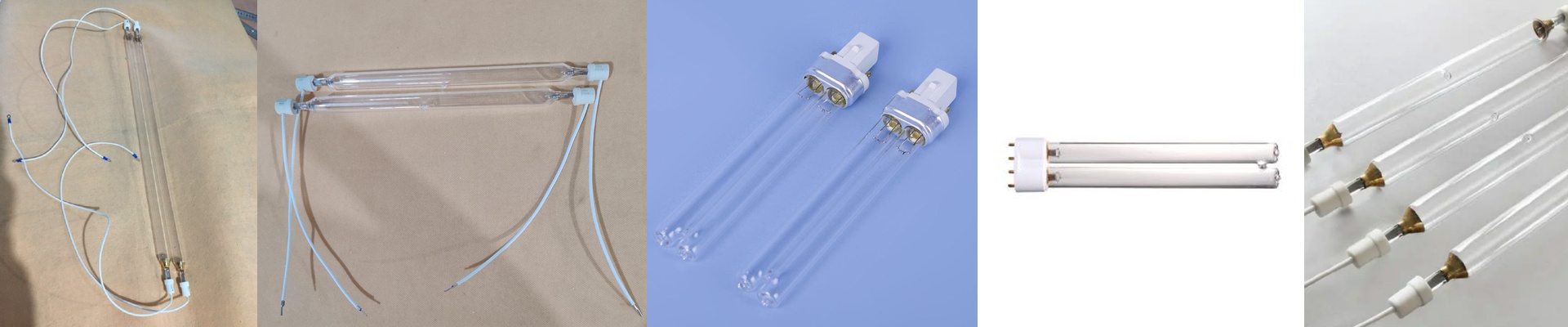
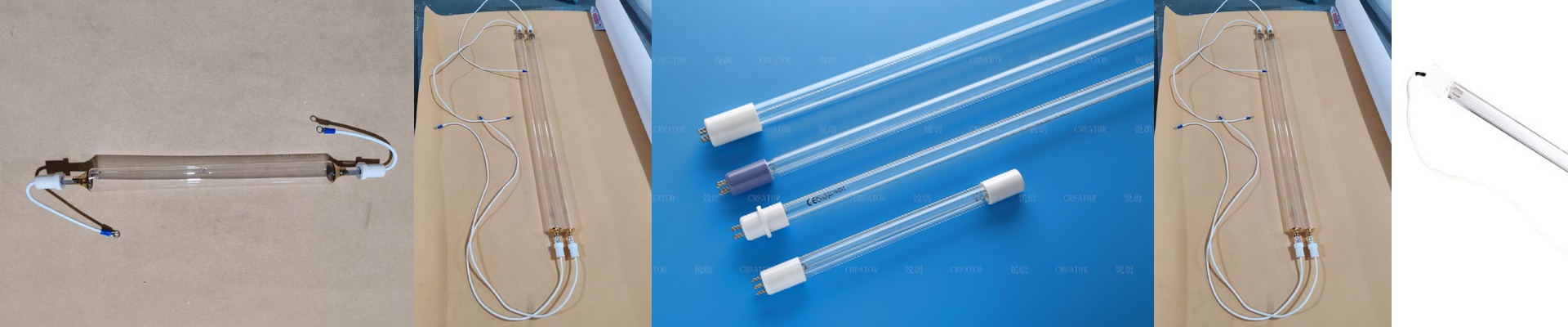
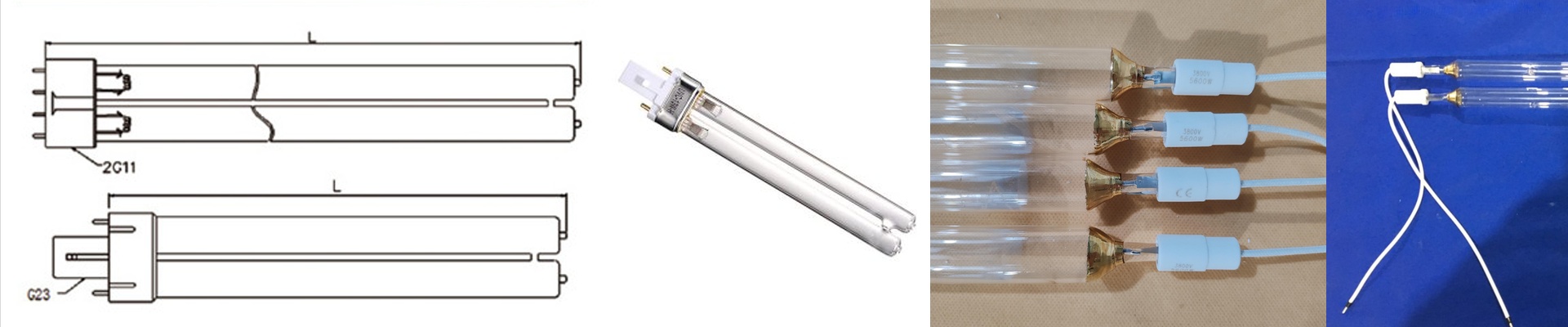
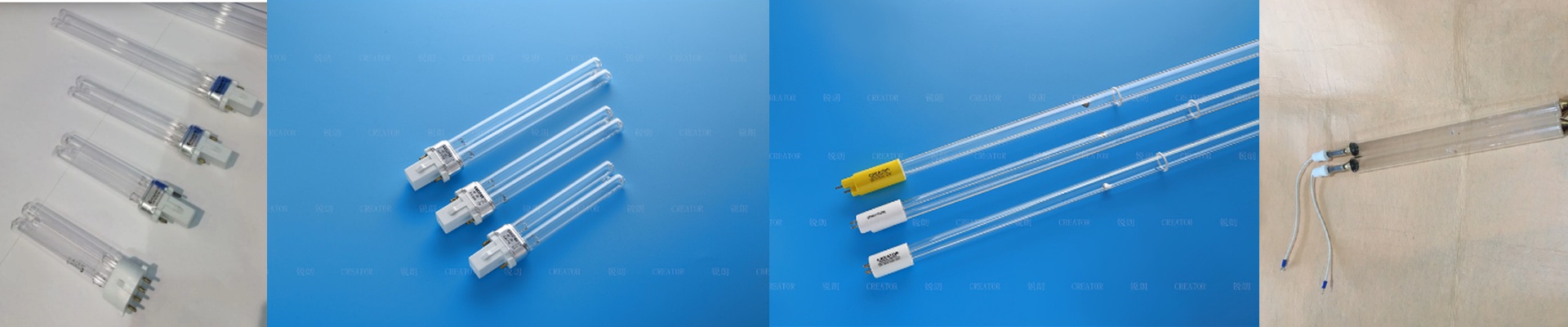
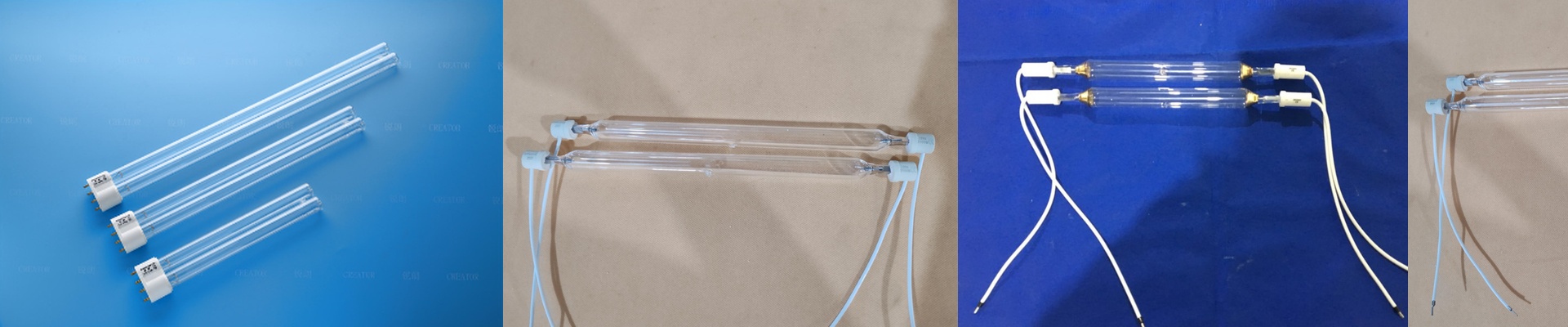
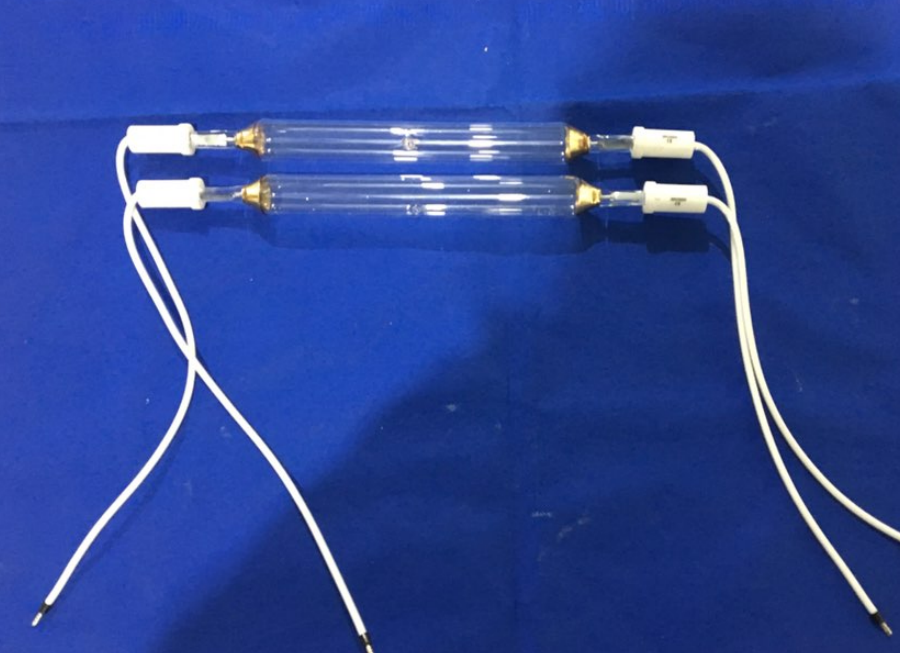
On the floor, printing metal or glass isn’t a choice—it’s a straight-up test of curing physics. If the UV lamp doesn’t show up, the ink stays under-crosslinked, and you watch adhesion fail the scratch test or fold in the boiling water bath. We build replacement UV lamps for every major brand to deliver the irradiance and spectral control needed to lock adhesion on these tough substrates. The technical heart of it is simple: high-pressure mercury vapor lamps with stable spectral output at 365 nm and 385 nm drive photoinitiator activation deep into the ink. Peak irradiance above 12 W/cm² gives you an instant cure. Add a dichroic-coated reflector and the delivered energy density stays above 800 mJ/cm² right at the substrate surface—enough to punch through thick films and finish the cross-linking. The payoff is a fully cured film with consistent surface hardness and solid chemical resistance. And here’s why it matters on metal and glass: those surfaces need a cure that actually seats the ink into the micro-roughness. Our lamps deliver deep penetration without cooking the substrate, so the ink wets and sticks, then cures in a blink. You get faster cycles, fewer rejects, and adhesion that holds across production lots. Power draw drops because the lamp cures in seconds, and lamp life stretches thanks to stable arc control and ozone-free operation. A few field notes: match the lamp wattage, arc length, and end-fit connector to your curing station, and double-check reflector alignment. Output drifts as the lamp ages—set replacement intervals off your measured irradiance and spectral data, not a guess. Confirm compatibility with your press brand and curing module, then run a substrate-specific cure window to lock in both adhesion and speed.