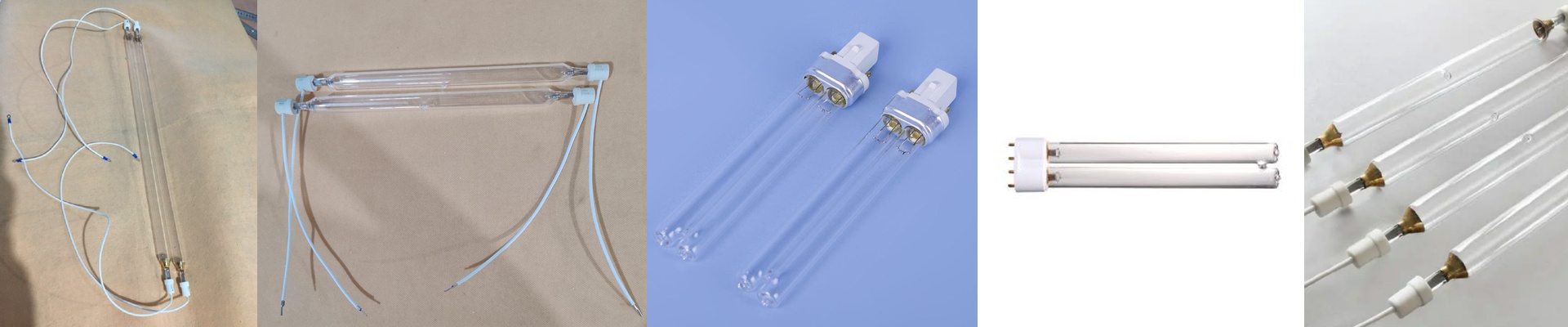
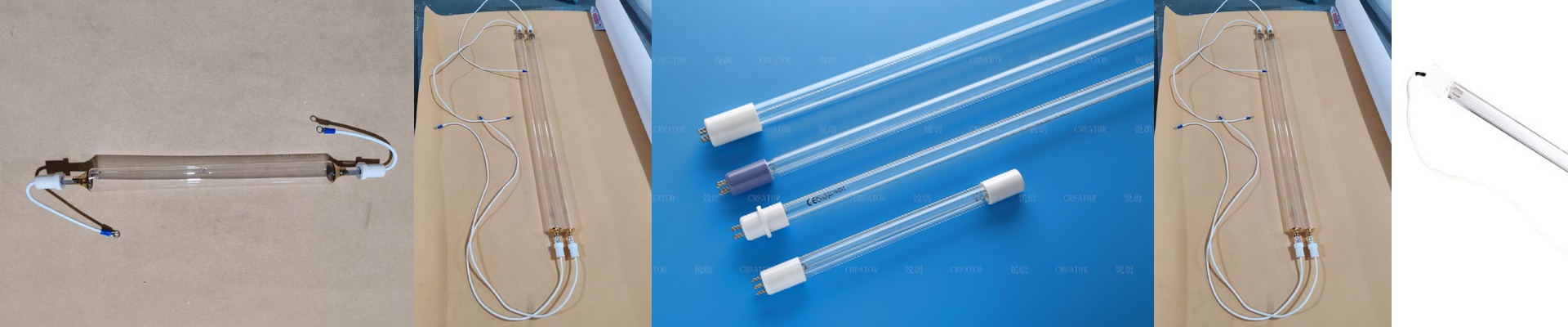
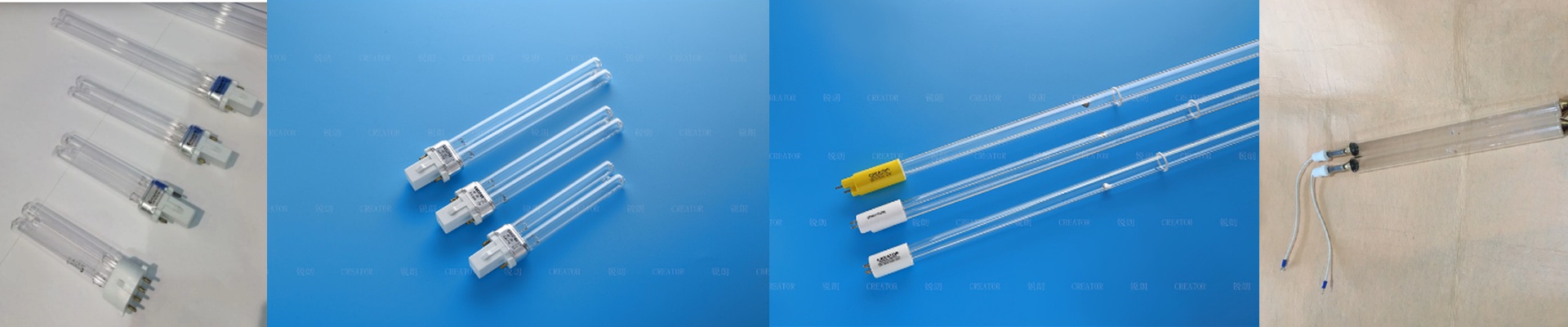
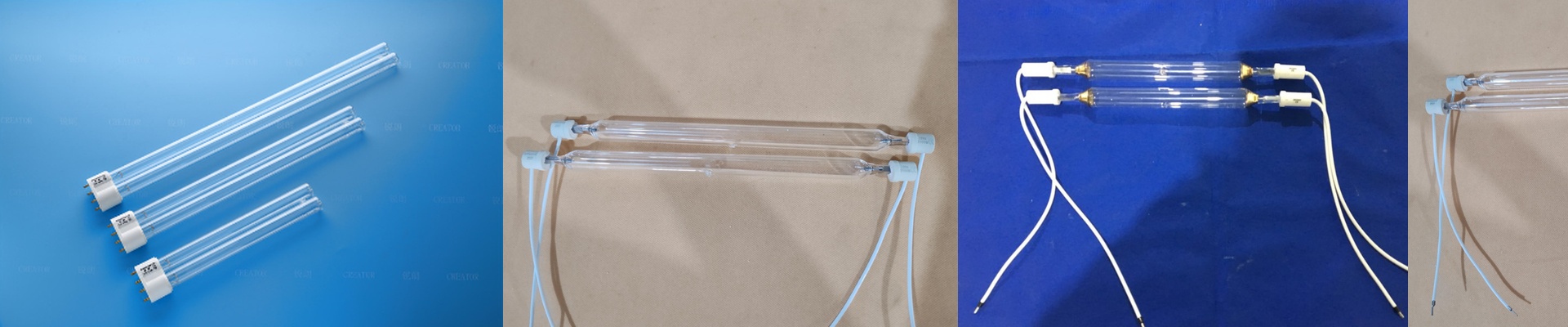
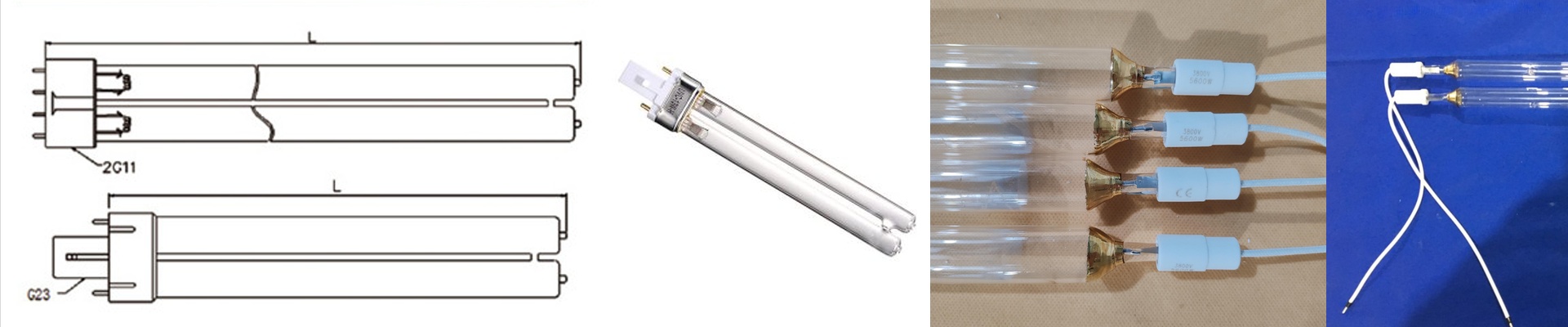
Getting the Most Out of 80W/cm Mercury UV Lamps (Without Killing the Planet)
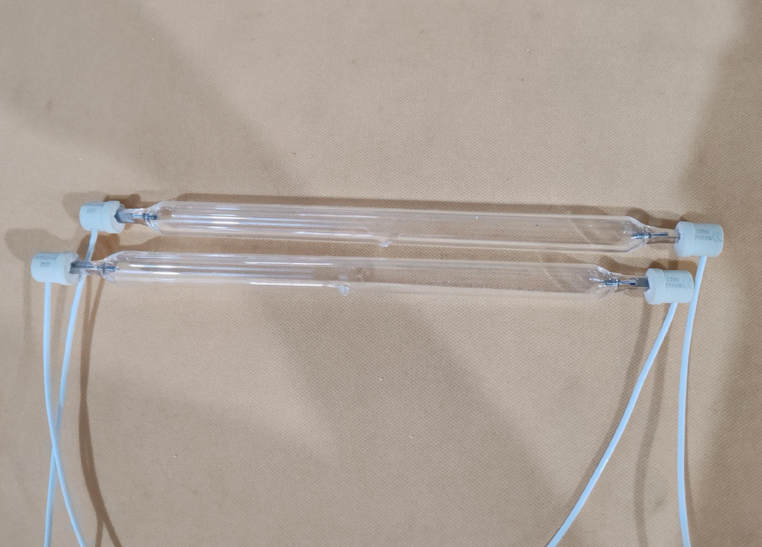
If you’re running a high-intensity curing line, you know the drill. Throughput is everything. That’s why we built our 80W/cm mercury lamps. They’re designed for those moments when you just need a massive punch of UVC to get resins and adhesives to set—fast.
Let’s talk power
When we say 80W/cm, we’re talking about packing a lot of energy into a very small space. The beauty of this is that you can actually shorten your conveyor belts or crank up your line speed. You get the same cure, just way quicker. To make that happen, we use high-purity quartz glass. It keeps the UV radiation moving through the tube instead of getting trapped inside. But here’s the catch:this much power gets hot. Really hot. Make sure your ballasts and cooling systems are actually up to the task. If your airflow is sluggish, the tube temperature will spike. That’s a one-way ticket to a premature burnout and a drop in UV output.
Building things to last
We’re tired of the “use it and toss it” cycle. It’s wasteful. Our latest lamps are all about the long haul. We’ve switched to stabilized electrode materials that fight off “sputtering.” If you’ve ever seen the inside of a lamp get cloudy over time, that’s sputtering. It kills your intensity. We’ve pretty much put a stop to that. And we’re looking at the big picture with the environment. We’ve scrubbed our entire bill of materials to get rid of the nasty stuff. It’s not just about the mercury inside the tube; it’s about how we source everything that goes into the lamp so we aren’t leaving a mess behind.
Keeping things running smooth
The good news? These are drop-in replacements. They should slide right into your existing industrial systems. We spent a lot of time perfecting the seals and contact points, so you don’t have to worry about electrical arcing at the ends. As for maintenance, just keep in mind that the output will dip slowly over time. **Pro tip:**Track your millijoules (mJ/cm²) once a week. Once you hit that floor where your cure starts to look off, swap the tube. One last thing—be careful when you’re installing them. A single fingerprint on the quartz can create a hot spot, and that’s how you end up with a cracked tube. Keep them clean, and they’ll treat you right.