Dealing with Electrical Noise in Gallium Iodide UV Systems
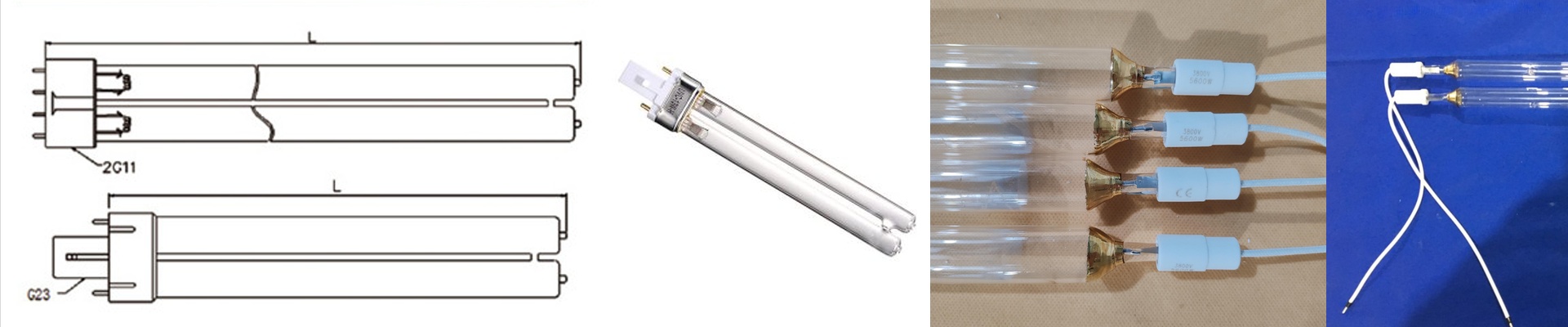
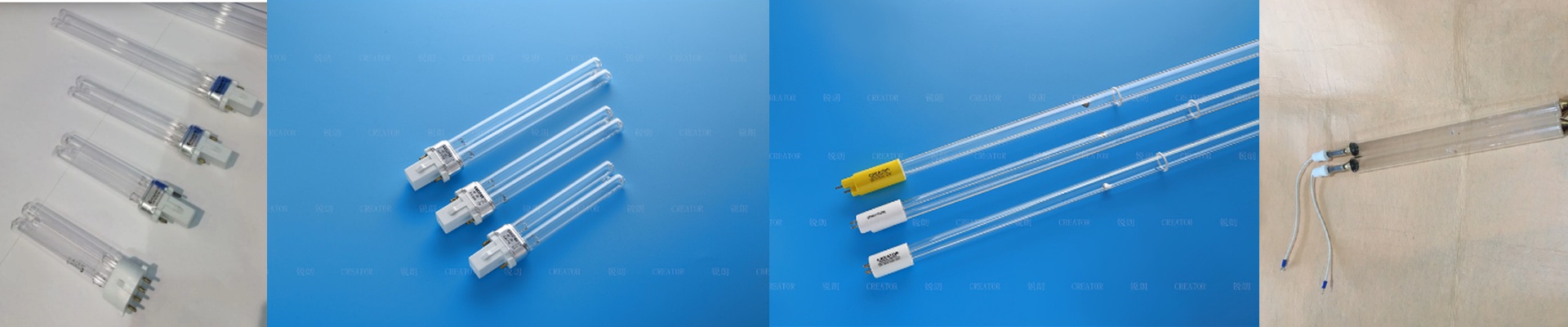
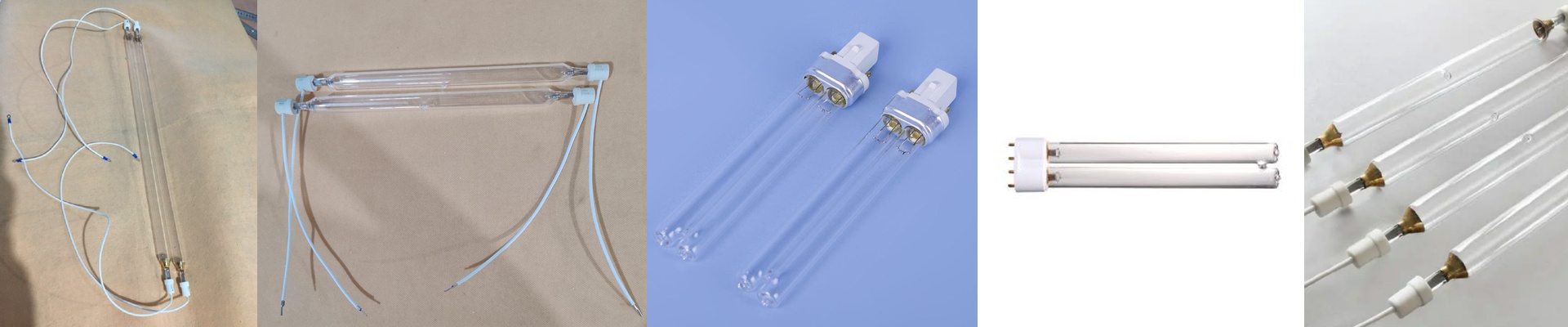
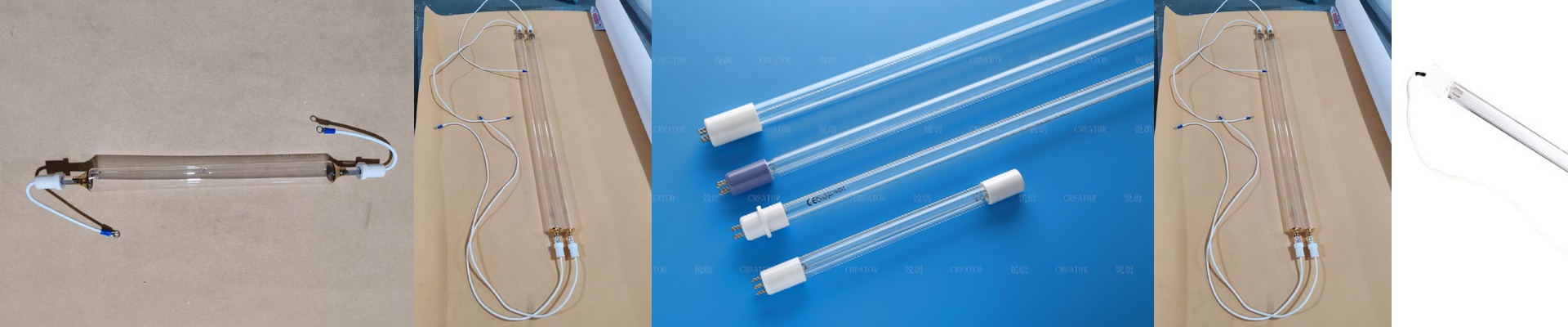
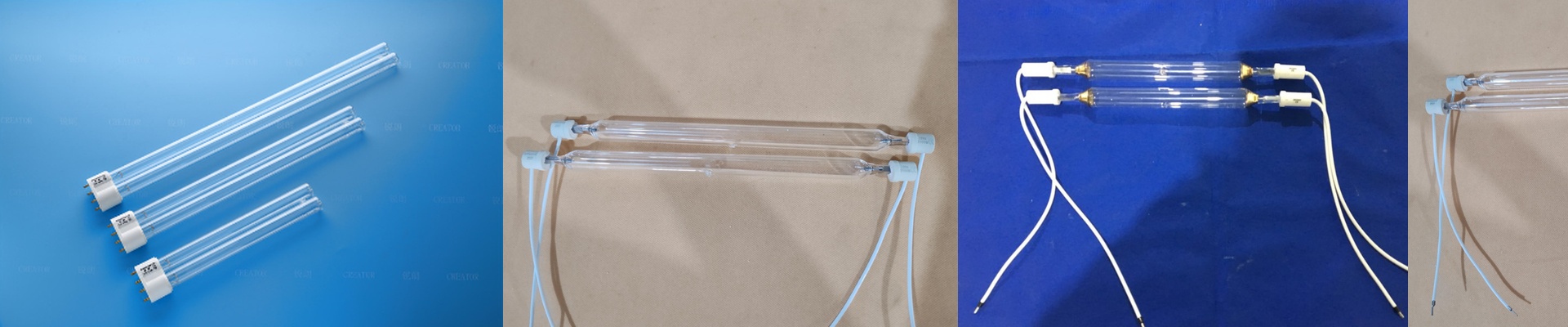
When you’re dealing with thick inks or heavy pigmented coatings, standard mercury lamps just don’t cut it. They can’t punch through. That’s where Gallium Iodide (GaI) lamps come in. We build these custom units to hit those specific wavelength peaks, but here’s the real headache: keeping the power steady when you’ve got ten massive printing presses screaming on the same electrical grid.
The Chaos of the Factory Floor
Industrial printing halls are loud. Not just the noise you hear, but the electrical noise you can’t see. Motors, servos, and high-voltage power supplies create this constant wave of electromagnetic interference (EMI). In a cheap UV setup, that noise leaks right into the ballast. You’ll see it as a flicker, or worse, your lamp just burns out way too early. We stop that by hardening the circuit and using shielded components. It means the arc stays rock-solid, even when the machine next to you kicks in and sends a voltage spike through the line.
The Science of Staying Stable
GaI lamps are a different beast. They run hotter and handle pressure differently than your average UV lamp. To keep them from leaking or cracking, we use specialized glass and electrodes that can take the heat. But the real secret is the balance between the purity of the gallium iodide fill and how we tune the ballast. If the power supply and the lamp aren’t perfectly in sync, you get oscillations. It’s like a bad hum in a speaker. We tune our drivers specifically to kill those fluctuations before they start.
Real-World Trade-offs
Here’s the catch. Better protection against interference usually means a heavier power supply and more shielding. You can’t just cram these into a tiny box and hope for the best. You have to think about airflow. Since GaI lamps have to run hot to get that specific UV spectrum, your cooling fans need to actually be able to handle the load. If your cooling fails, the lamp overheats and your output drops. Simple as that. Just keep your vents clear and let the thing breathe.