Stop Throwing Away Your UV Curing Gear
Let’s be honest: nobody likes dealing with hazardous waste. It’s a headache, it’s expensive, and it feels wrong to keep tossing disposable components into a bin just to keep a production line moving. That’s why we’re moving away from those “use it and lose it” systems. We’re building UV curing setups that are modular and built to last. The goal? Less junk in the landfill and fewer midnight scrambles to replace dead lamps on the factory floor.
How the Modular Stuff Actually Works
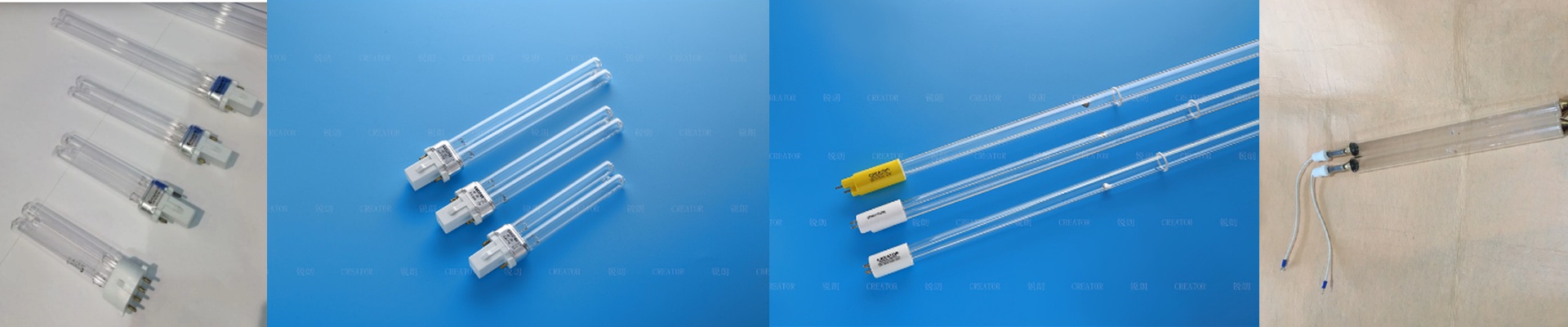
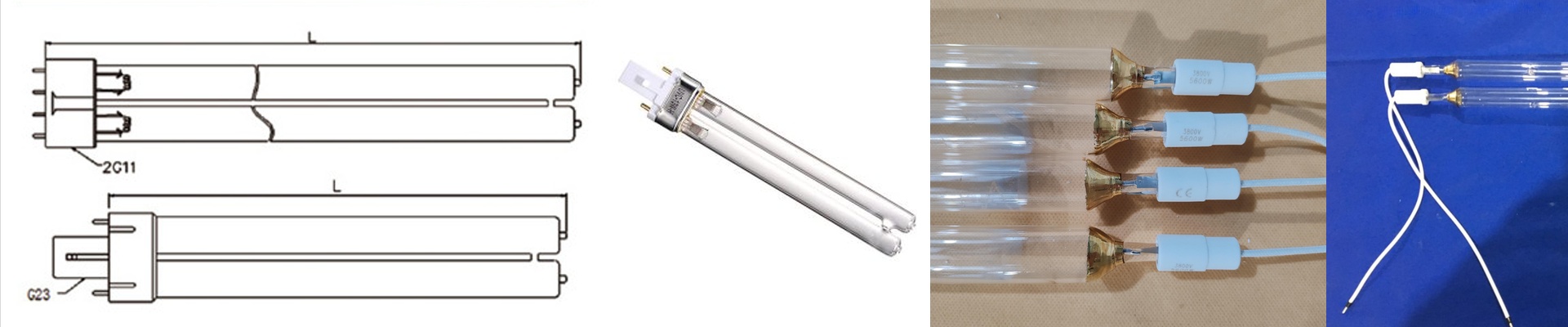
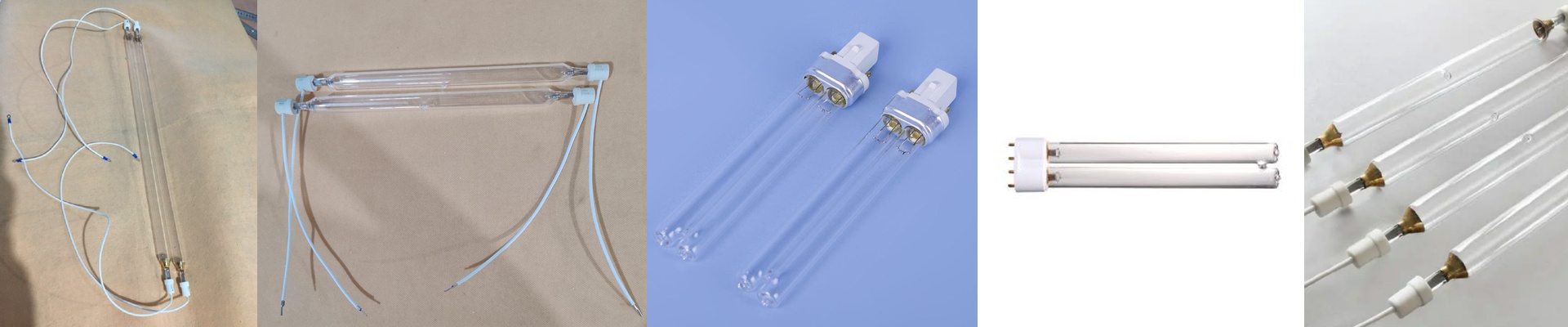
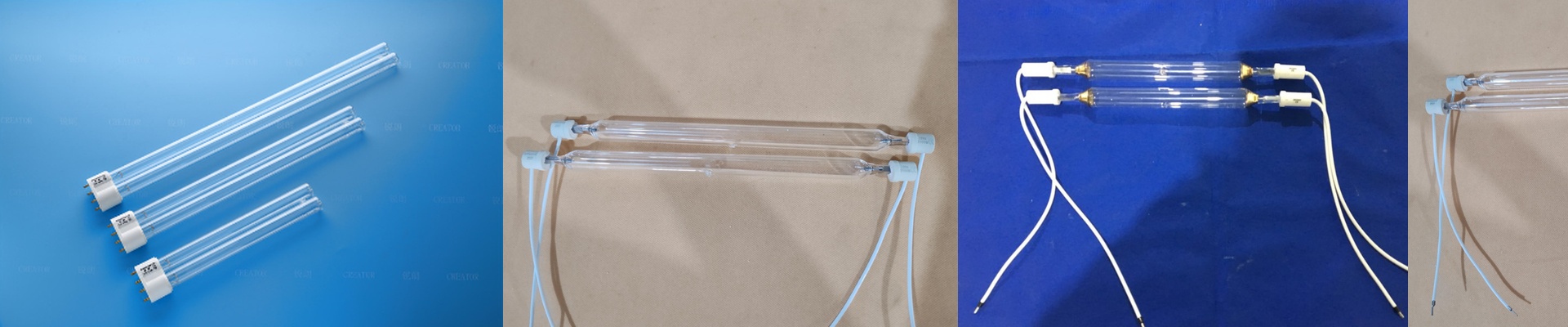
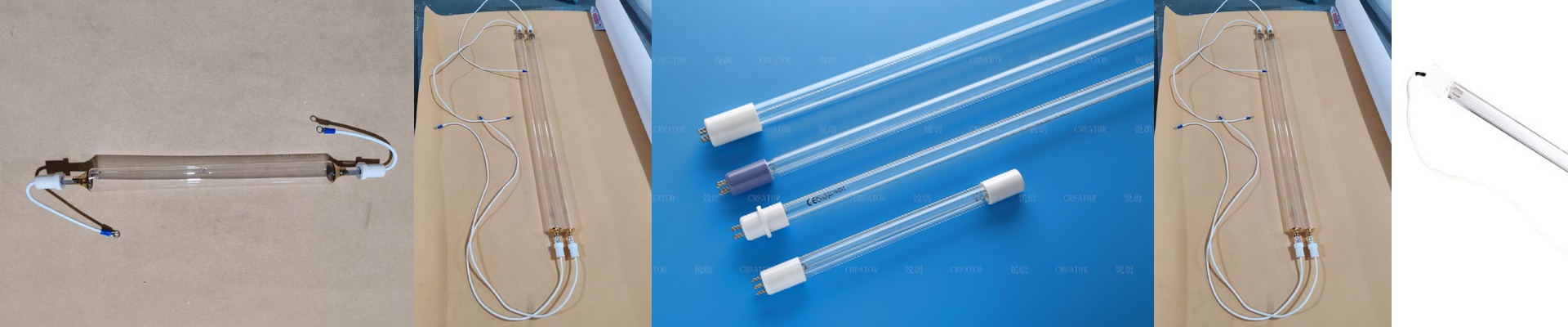
Imagine not having to tear down your entire curing tunnel just because one section gave out. With a modular setup, you just swap out the specific lamp segment that’s acting up. We’ve made these units “drop-in” replacements. They have a standard footprint and power draw, so they just fit. Now, if you’re looking at the specs, keep an eye on the wattage-to-length ratio. That’s the real meat of the system. High-density arrays are great because they push out a ton of photons, which means your line can run faster. But there’s a catch: they gethot. Really hot. If your cooling blowers aren’t up to the task, those quartz envelopes are going to crack. Make sure your airflow can handle the heat.
Gear That Doesn’t Quit
We’ve ditched the old mercury-heavy parts for materials that don’t poison the planet. We’re talking long-life quartz and reflectors that actually stay reflective, even after being blasted by UV rays for months. We also beefed up the connectors. You know that annoying “burn out” that happens at the contact points? We fixed that. These machines take a beating in 24/7 shops. By making the lamps last longer, you aren’t just saving money—you’re spending way less time dealing with specialized waste disposal.
Making Life Easier on the Floor
Wiring this up is a breeze compared to those old, monolithic lamps. Plus, it gives you some breathing room. Depending on the ink or coating you’re using, you can just add or remove modules to get the intensity exactly where you need it. If one segment dies, you swap it and keep moving. The rest of the line doesn’t even have to stop. It takes the guesswork out of your maintenance schedule and keeps your workspace clean. Simple.