Let’s Talk About Why Industrial UV Lamps Actually Fail
We spent some time visiting 3,000 printing plants. A lot of them. And we noticed a pattern: most UV systems are designed for a lab, not a loud, messy shop floor. The engineers usually chase “maximum power” on a spreadsheet, but in the real world, that doesn’t help you. What you actually need is stability.
Power vs. Heat: The Balancing Act
When you’re printing at high speeds, you need that ink to cure now. But here’s the catch. Sure, you can just crank up the wattage to get more intensity, but that’s how you end up scorching your PET or warping your plastic. It’s like trying to dry a shirt with a blowtorch. You’ll get it dry, but you’ll probably burn a hole through it. We spend our time figuring out the sweet spot between the lamp length and the wattage. It keeps the UV intensity exactly where it needs to be without killing the lamp or ruining your materials.
The Nitty-Gritty of the Hardware
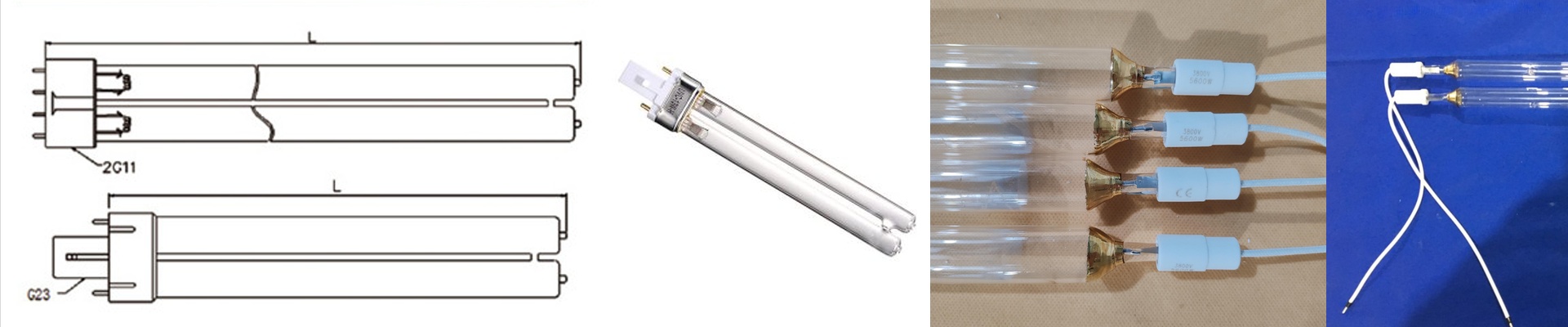
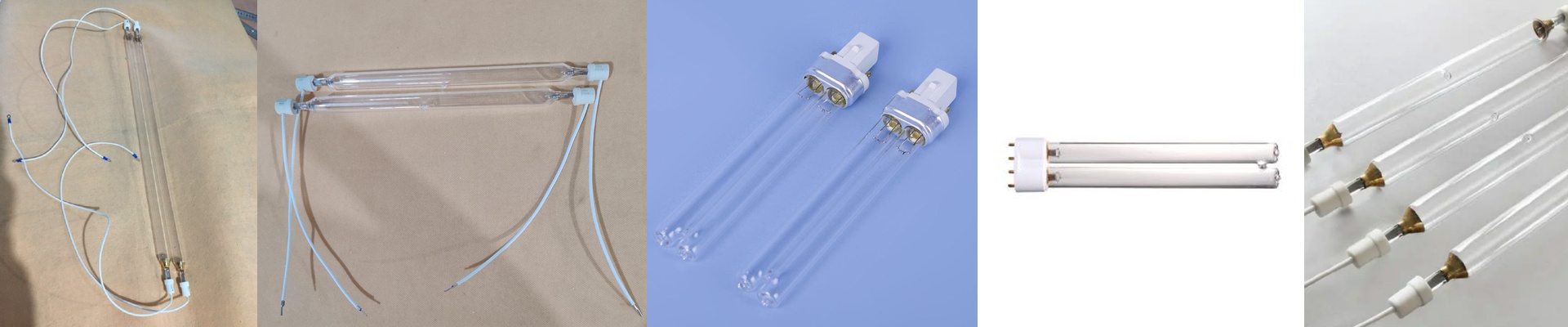
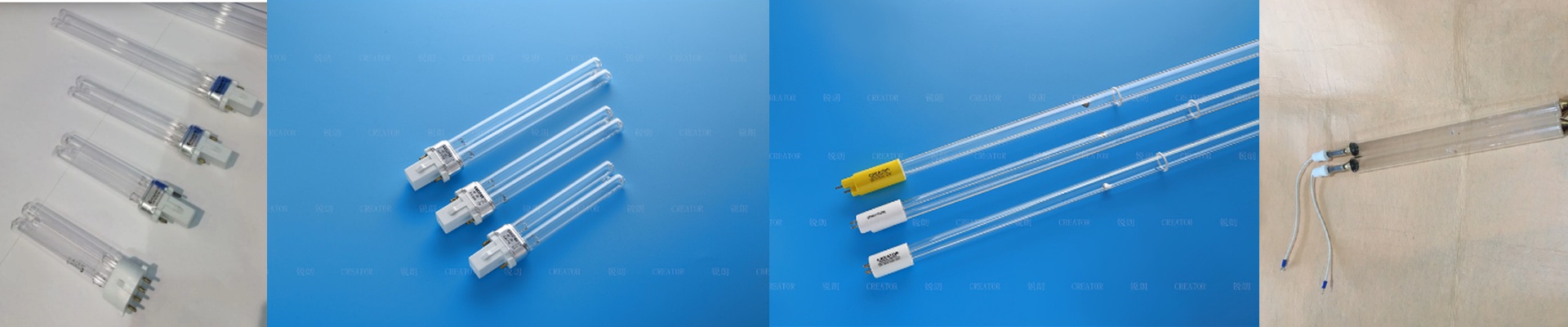
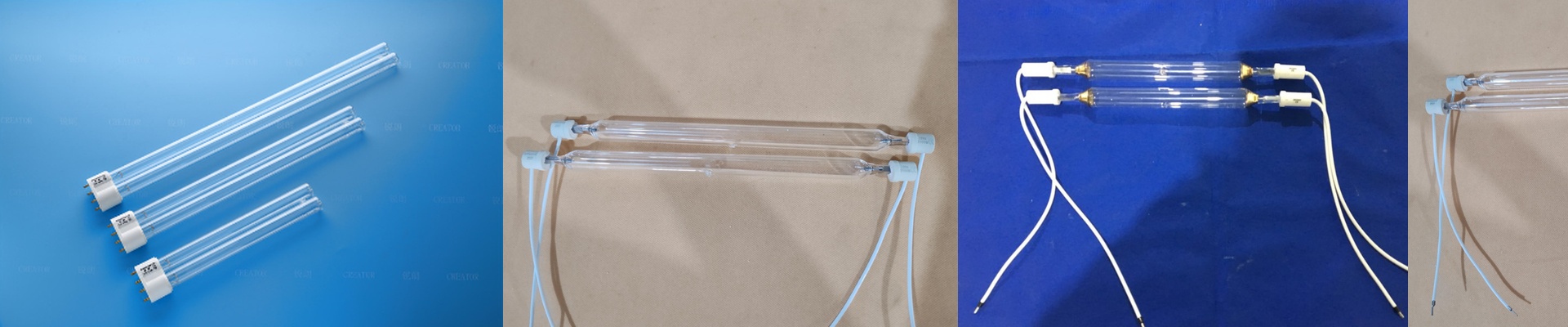
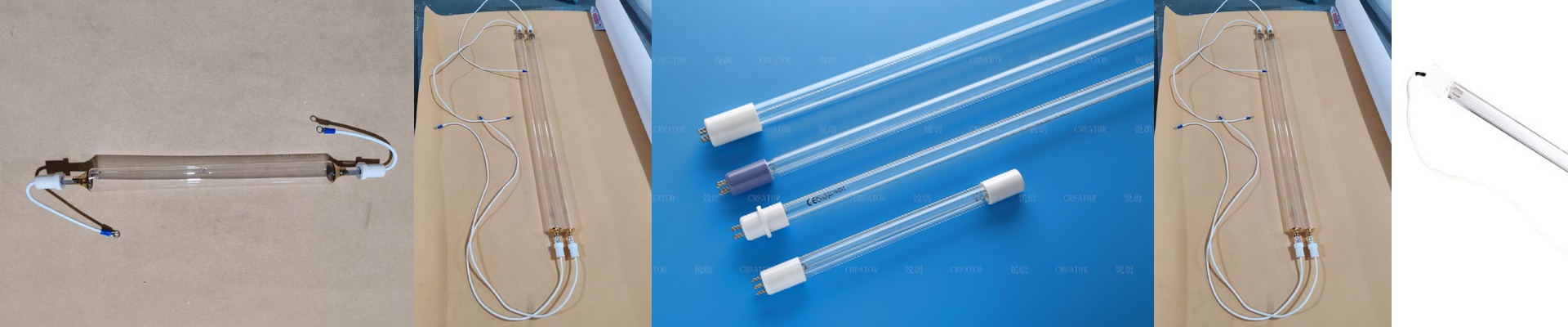
If you’re building these into your own machines, you know that space is tight. We keep our connectors standard and use quartz glass that can actually handle the bumps and bruises of a factory. But the real secret? The reflectors. If the angle is off by even a little bit, you’re basically throwing 30% of your UV light into the air. It’s a waste. We obsess over the geometry so the beam hits the ink dead-on.
The Trade-offs You Need to Know
Here is the honest truth: pushing a lamp to its absolute limit kills the electrodes. If you run at 100% all day, you’ll be swapping out lamps way too often. It’s a headache and a waste of money. We usually suggest a tiered approach. Run your standard jobs at about 80% capacity. Save the full power for those heavy-duty coatings that really need it. Just make sure your cooling system can keep up. If the lamp gets too hot, the wavelength drifts. Then you’re looking at uncured ink and a pile of expensive reprints. And nobody wants that.