Stop Letting Your Curing Station Slow You Down
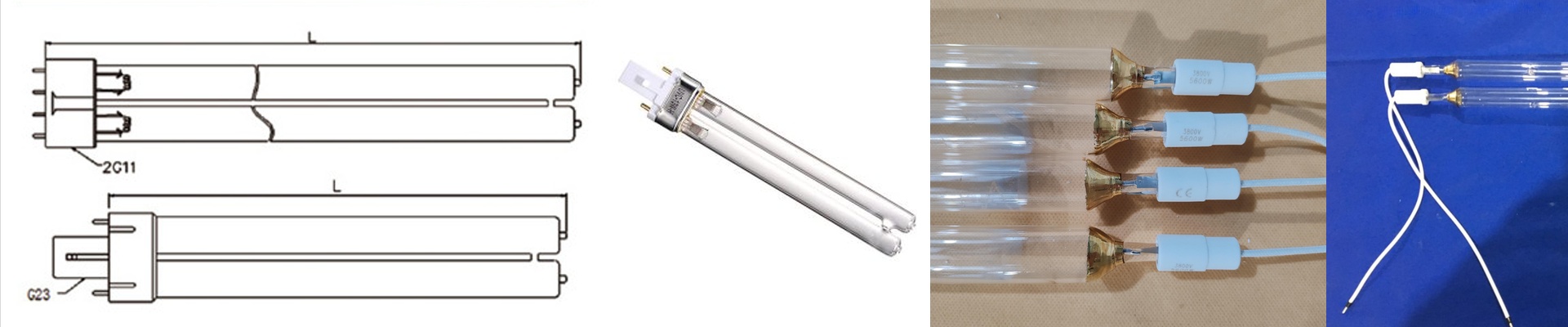
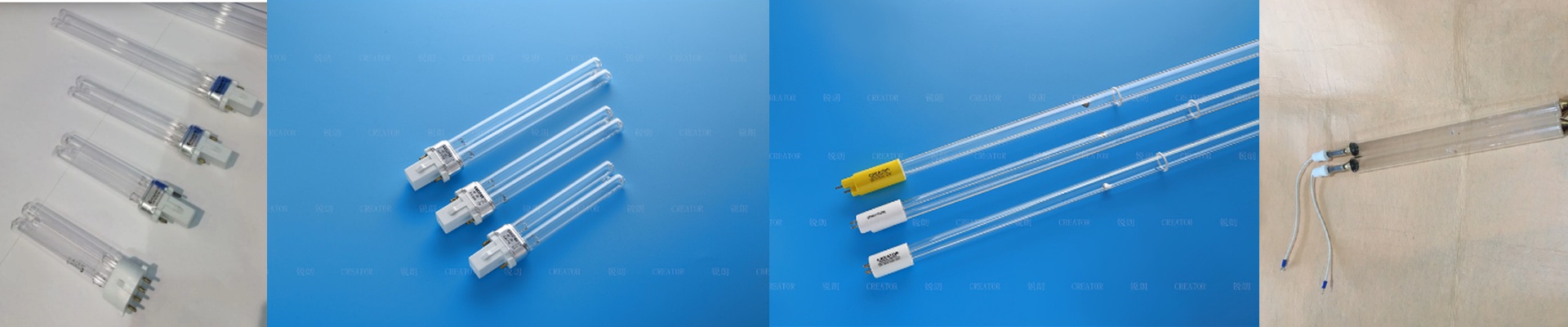
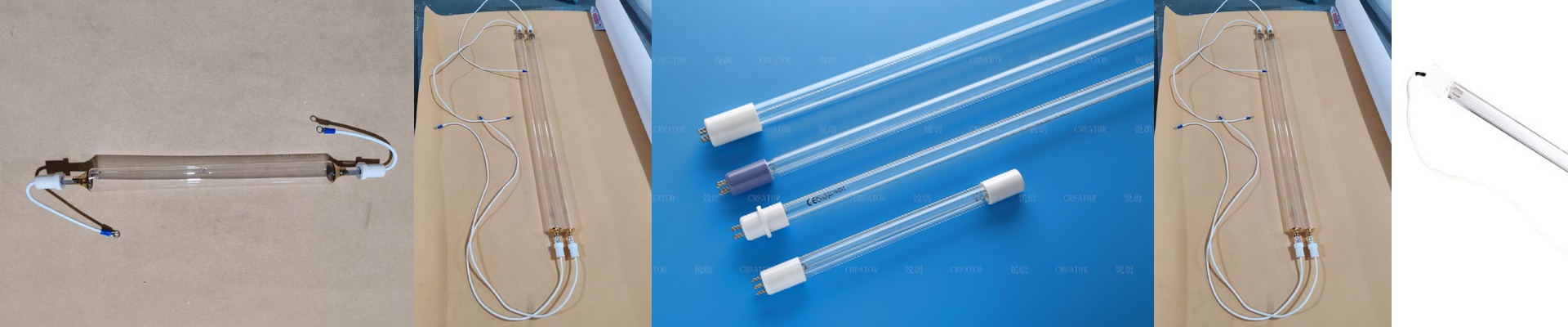
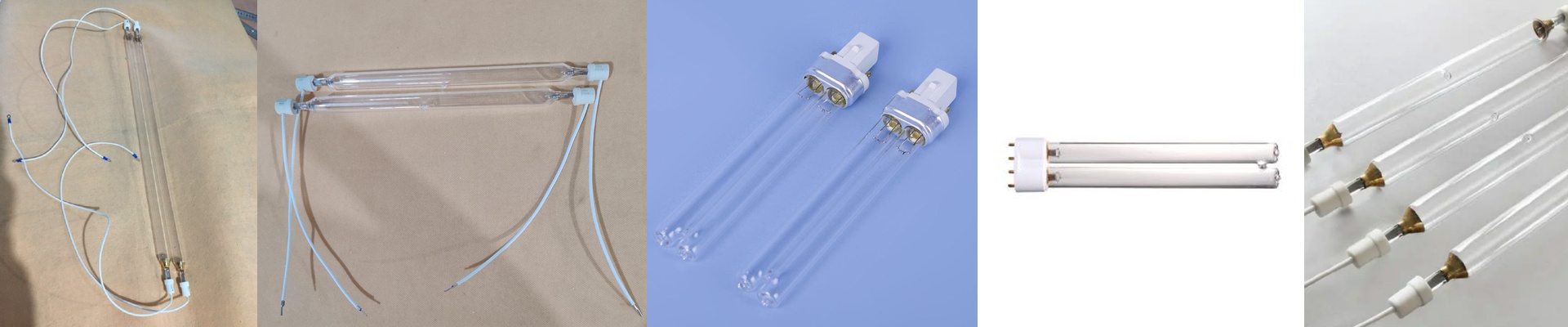
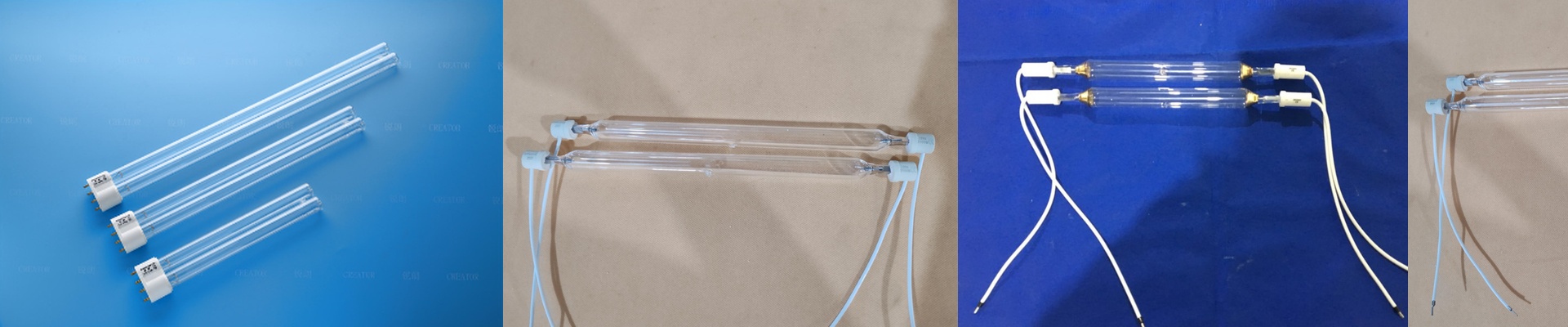
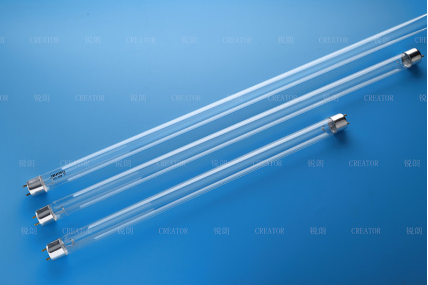
If you’re running a high-volume line, you know exactly where the headache is. It’s the curing stage. Everything is moving fast until it hits the lamps, and suddenly you’ve got a bottleneck. That’s why we built our best-selling UV lamps. We wanted something that just works. When your supply chain is shifting and orders are piling up, you can’t spend three weeks waiting for some “custom-engineered” solution. You just need a lamp that fits, hits your specs, and gets the job done right now.
The trick to curing faster
Here is the secret: it’s all about photon density. We’ve tweaked the electrode spacing and the gas fill so these lamps hit full operating temperature in seconds. What does that actually mean for you? It means you can crank up the conveyor speed. You don’t have to worry about resins staying tacky or parts coming off the line under-cured. It’s fast. Really fast. But a word of caution. You have to balance power with heat. If you push more wattage through a shorter tube, you get more intensity, but you also dump a lot of heat into the housing.**Check your cooling fans or water jackets.**If your cooling can’t keep up with the wattage, you’re just going to burn through your bulbs way too quickly.
No more waiting on custom parts
We kept the connectors standard. No weird adapters, no custom wiring nightmares. You just plug it in and go. Because we stuck to these standards, we can actually keep a massive amount of stock on the shelves. We call it “flexible supply,” but honestly, it just means we have the most common industrial specs ready to ship. When an e-commerce trend hits and your volume spikes overnight, the last thing you need is downtime. We ship these units immediately so you can add new curing stations in a few days, not a few months.
The honest trade-off
Look, no lamp lasts forever. When you run these units at extreme intensity to keep throughput high, the electrodes wear down faster. It’s just physics. To avoid a total meltdown in the middle of a shift, I highly recommend keeping a strict replacement schedule based on your actual run-hours. Swap them out before they fail, and your line keeps moving.