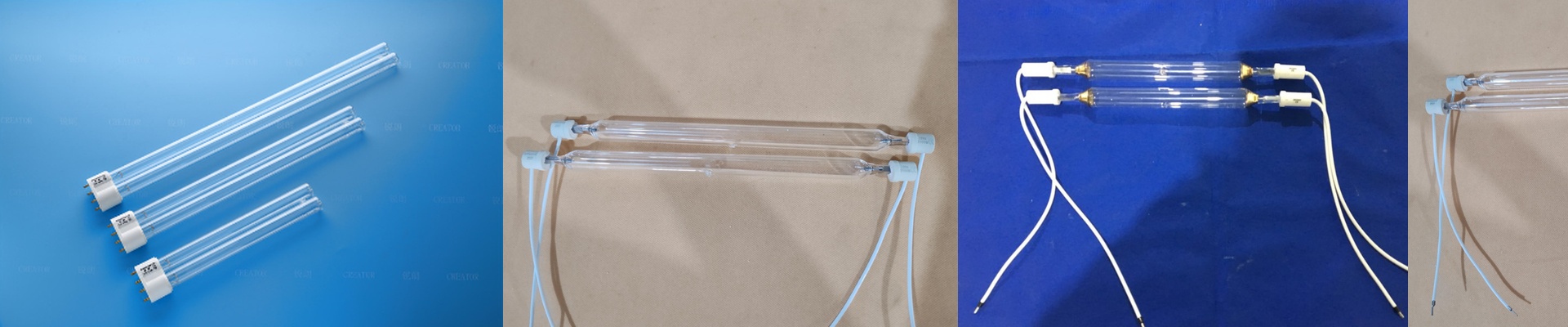
Getting Your UV Curing Right: The Truth About Gallium Iodide Lamps
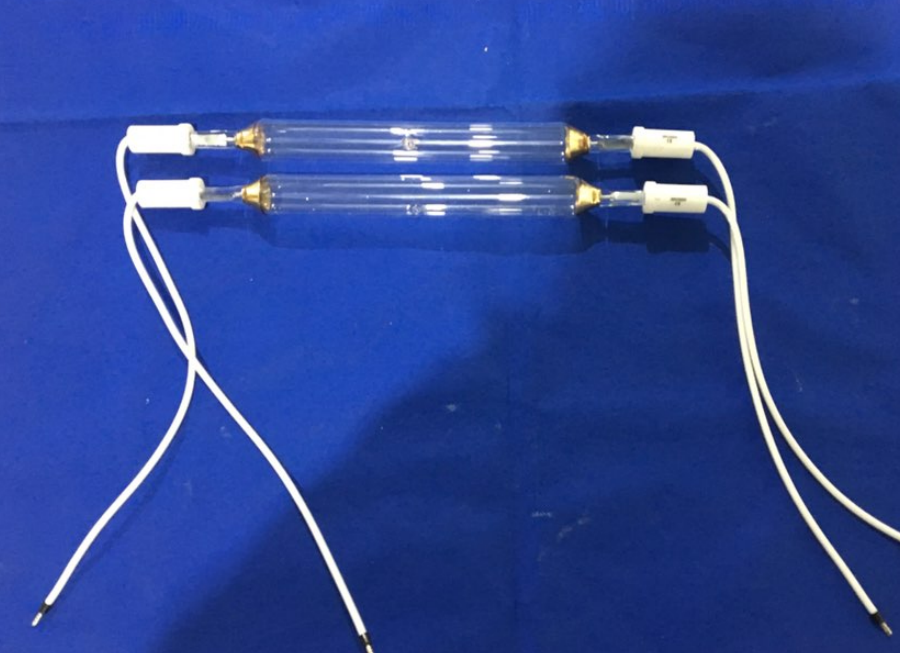
Most people stick with standard mercury vapor, but sometimes that just doesn’t cut it. If you’re dealing with thick coatings or picky photoinitiators, you need something that can actually punch through. That’s where Gallium Iodide (GaI) comes in. It pushes the UV spectrum toward longer wavelengths, giving you the deep penetration you need to get the job done. But here’s the real headache: the guesswork.
Stop Guessing When Your Lamps Die
Standard UV lamps don’t just quit; they fade. Usually, you don’t even notice it’s happening until a batch of parts fails QC and you’re left staring at a pile of scrap. It’s frustrating. We decided to fix that by moving the data from the bulb straight to your PLC. Instead of hoping for the best, we track voltage drops and current wobbles to figure out exactly how much energy is hitting your substrate. Now, you can swap out a lamp because it’s actually worn out, not just because a calendar told you it was time. It’s a much smarter way to work.
The Messy Part: Heat and Noise
Making these “smart” isn’t as simple as plugging in a sensor. UV environments are brutal. They’re hot. Like, really hot. If you use cheap sensors, they’ll drift or just fry. We use high-temp shielded cabling because the EMI from the ballast loves to mess with the data signal. If you don’t shield it, your data becomes noise. Plus, you’ve got to watch your airflow. GaI lamps put out a massive amount of heat. If your cooling isn’t dialed in, the sensors will trigger a thermal cutout and shut everything down before the lamp even gets up to speed. It’s a delicate balance.
What This Actually Looks Like on the Floor
Imagine you’re running a high-volume line with 20 lamps in a row. Instead of walking the line and praying, you just look at a dashboard. You can see exactly which lamp is lagging. It turns a tedious manual check into a simple maintenance task. You wait until the energy hits your minimum threshold, then you swap the lamp during planned downtime. No surprises. No ruined parts. Just a line that actually stays running.