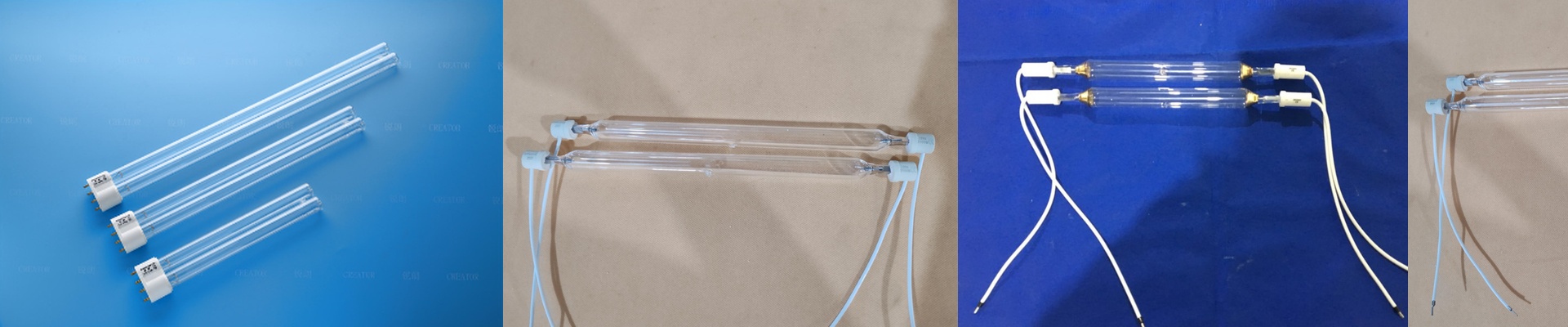
Stopping the Noise in Crowded UV Curing Shops
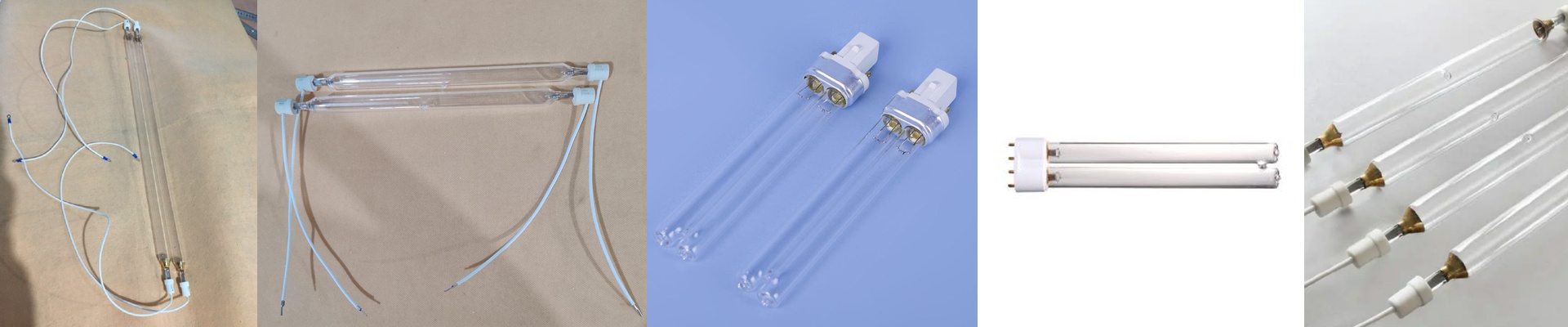
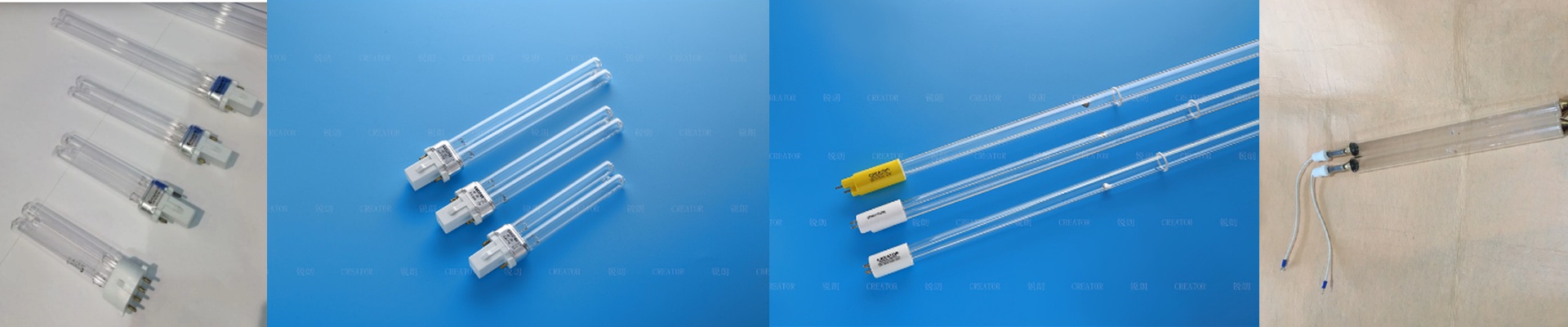
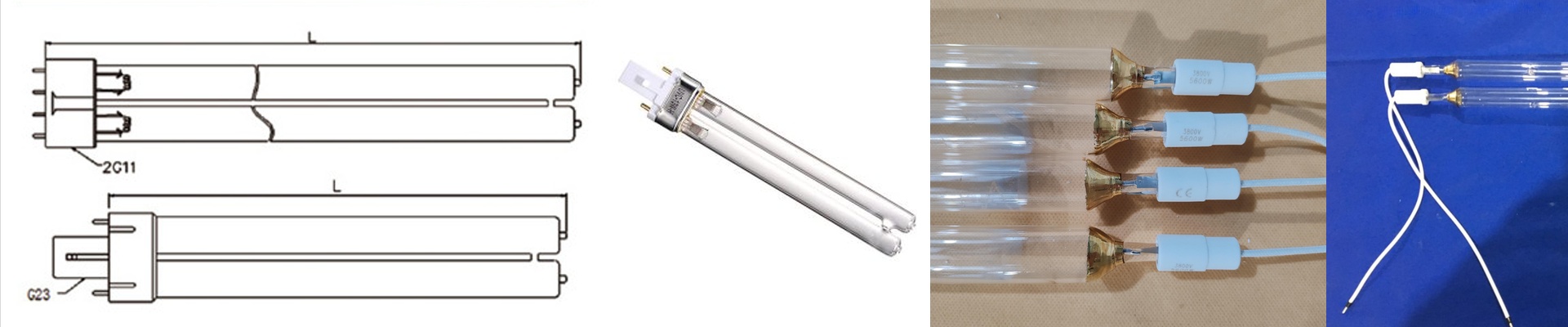
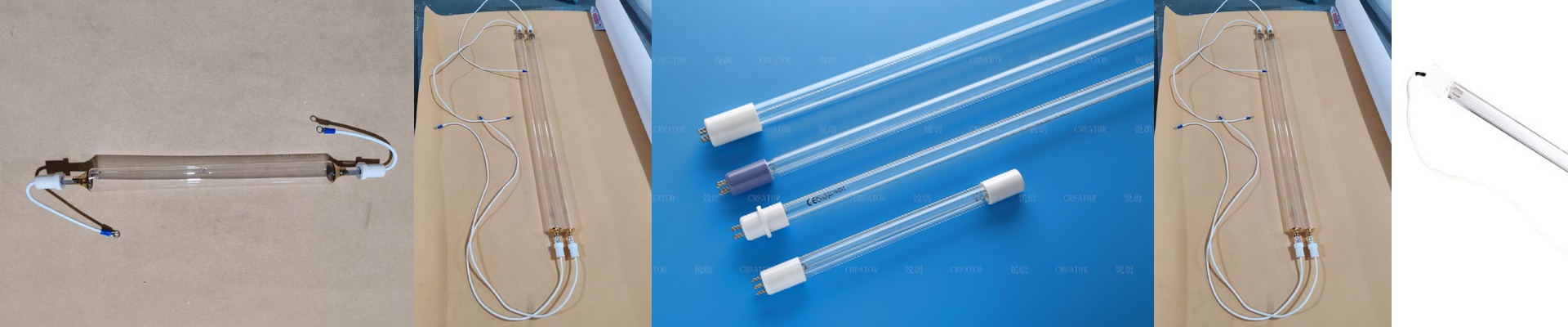
If you’ve ever run a print shop with a few big presses side-by-side, you know the headache. There’s just so much electrical noise in the air. Most UV lamps can’t handle it. When you’ve got several high-frequency ballasts humming right next to each other, the electromagnetic interference (EMI) starts acting up. It trips sensors. It causes flickering. It’s a nightmare. We build our UV gear specifically to kill that noise. How we actually fix it It mostly comes down to shielding and grounding. A lot of standard lamps leak EMI because the housing seals are cheap or the power supply filters are an afterthought. We do things differently. We use reinforced shielding and high-grade capacitors to scrub the noise out before it ever reaches your control system. This means your presses stop fighting each other for signal clarity. You get a steady, reliable arc—none of those erratic jumps in intensity that usually come with the cheaper stuff. Staying steady when things get heavy Stability is about more than just keeping the light on. It’s about keeping the output the same, even when your factory’s power grid is acting moody. We build our ballasts to soak up the voltage swings you find in heavy industrial zones. So, if the machine next to you kicks on a massive motor, your lamps won’t dip. They just keep humming along. The trade-offs (because nothing is magic) Here’s the catch: better shielding adds weight. It also makes the power unit a bit bulkier. You can’t just slide these into a chassis meant for unshielded lamps without checking your clearances first. Plus, all that extra shielding can trap heat. You’ll need to make sure your cooling fans can handle the extra thermal load, otherwise, you’re just looking at a burnt-out bulb. But if you’re running a multi-press line, the extra cost is a no-brainer. You stop chasing “ghost errors” in your PLC and actually get back to focusing on your cure rate.