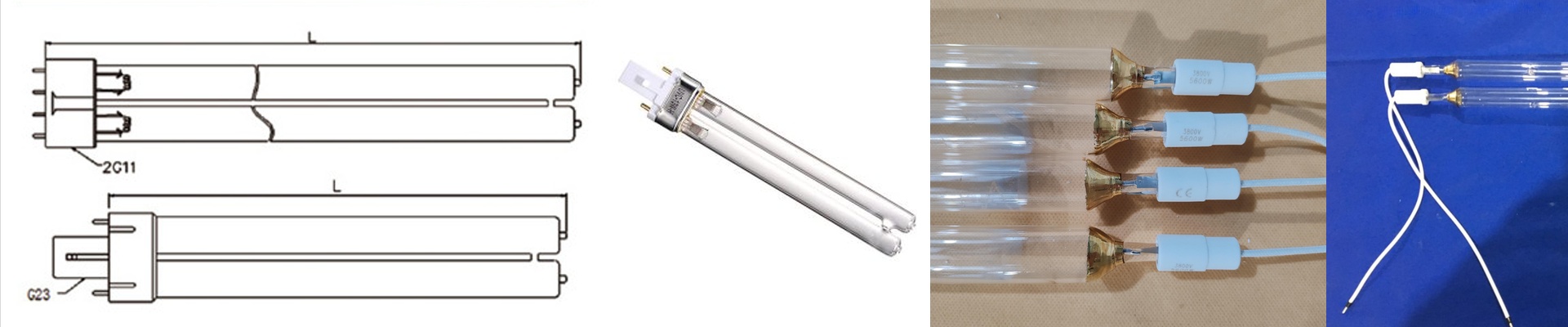
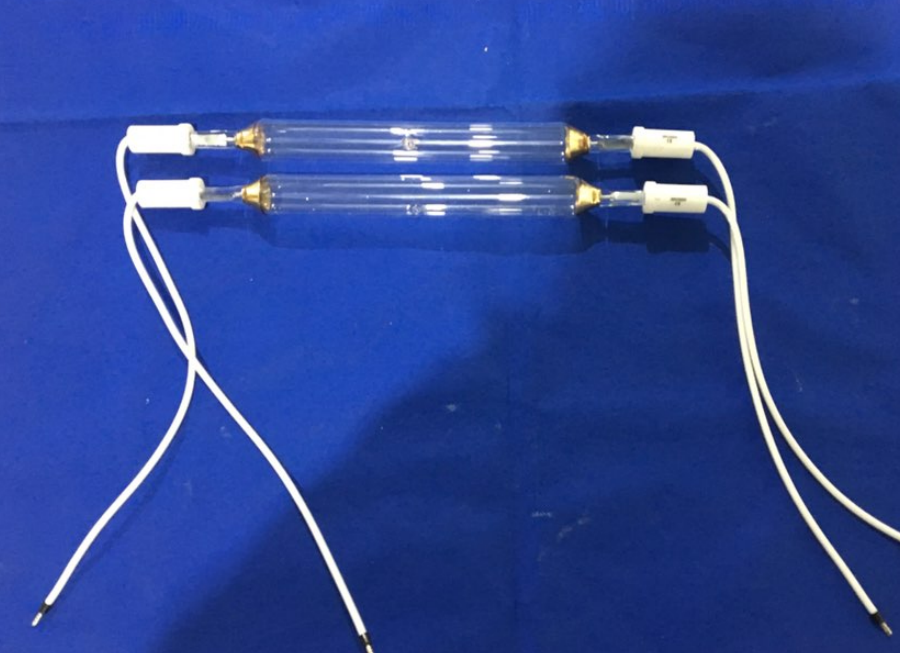
Stop Just “Curing” and Start Engineering Your Light
Let’s be honest: for a long time, UV lamps were just tools to dry ink or glue. You turned them on, set a timer, and hoped for the best. But in a modern factory, “hope” isn’t a strategy. We’ve stopped looking at UV as just a light bulb and started treating it as a variable you can actually control.
Getting the Output Right
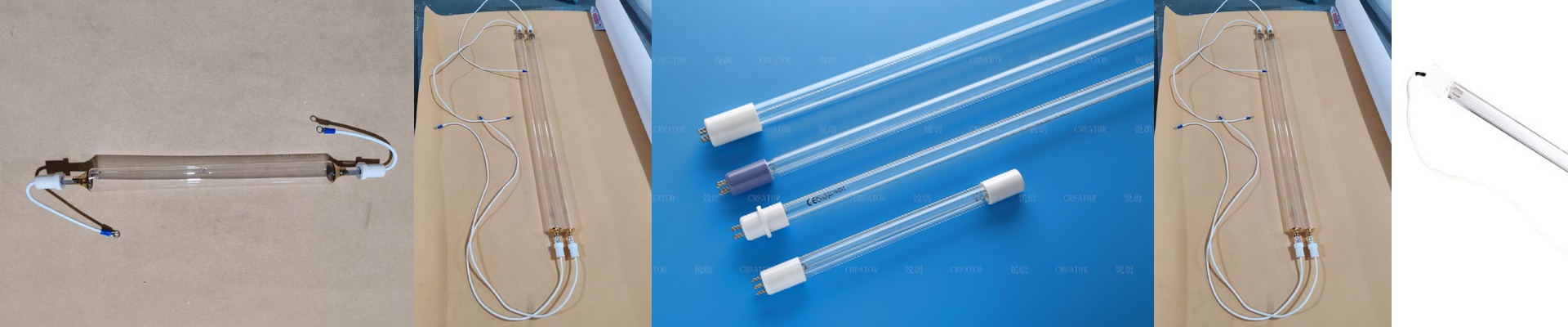
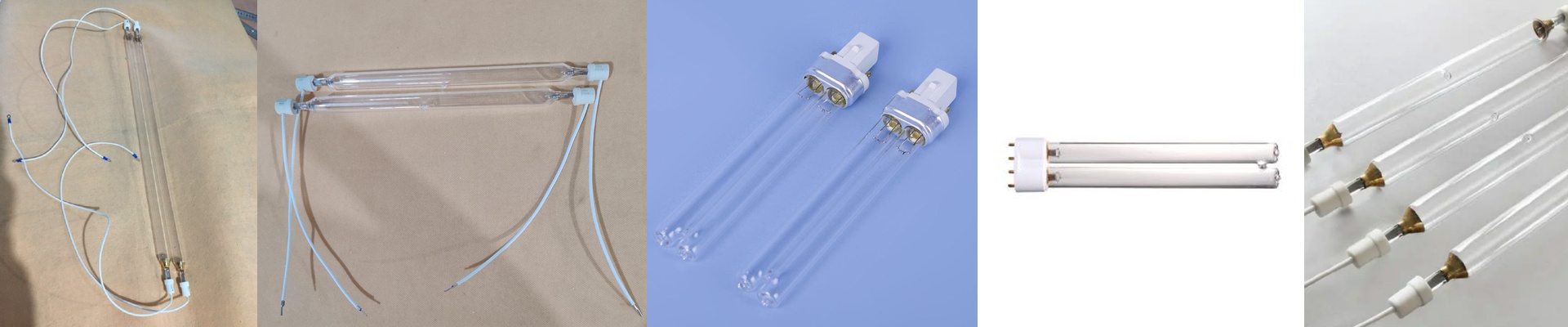
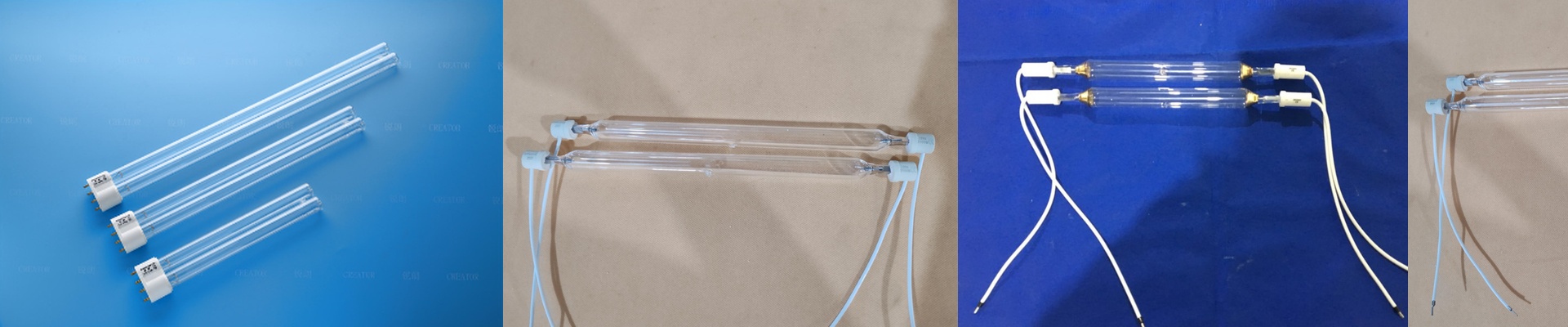
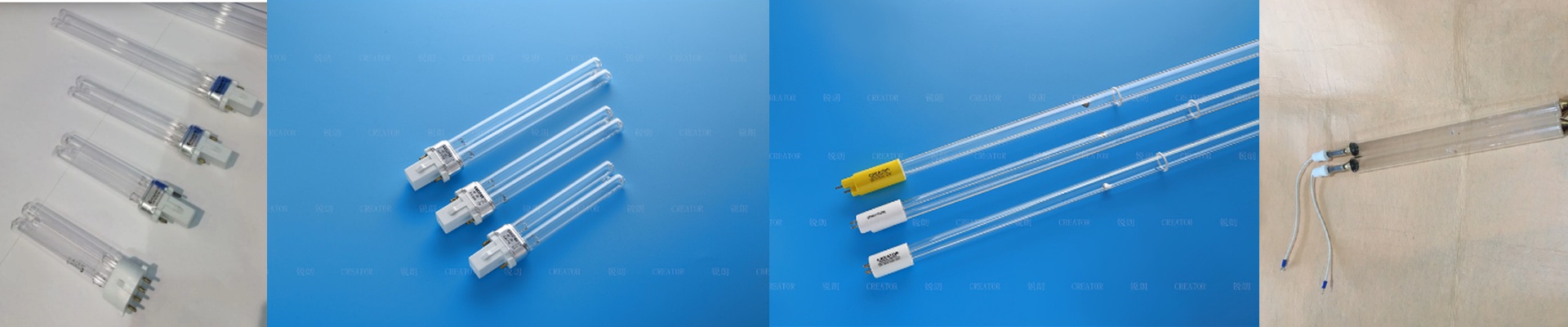
It all comes down to the spectrum. If you’re using a specific photoinitiator, you need a very specific wavelength—usually somewhere in the UVC or UVA range. Here’s the thing: if your irradiance drops by even 10%, everything breaks. Your line speed crawls or, worse, your bonds fail. In a high-speed line, that’s a nightmare. That’s why we obsess over keeping the output tight and consistent across the entire length of the tube. No dead spots. No surprises.
Dealing with the Heat
We build our systems to slide right into your old setups, but we can’t cheat physics. High energy creates high heat. If you’re pushing high wattage to shave seconds off your cycle time, you run a real risk of warping your materials. It’s a delicate balance. We use specialized quartz glass and aluminum reflectors to shove the UV energy forward and keep the heat away from your product. Just a heads-up: make sure your cooling fans or chilled water loops are up to the task. If they aren’t, you’re just burning through bulbs.
Making the Lights “Smart”
The real magic happens when the lamp actually talks to your PLC. Imagine a system where the intensity shifts automatically based on how fast your conveyor is moving. If the line stops? The lamps dim. Simple. This stops you from over-curing your parts and makes your bulbs last way longer. It turns a basic consumable into an asset you can actually manage. Plus, we keep the footprint small and the electrical draw lean, so you don’t have to worry about blowing a fuse or overloading your panels just to get the job done.