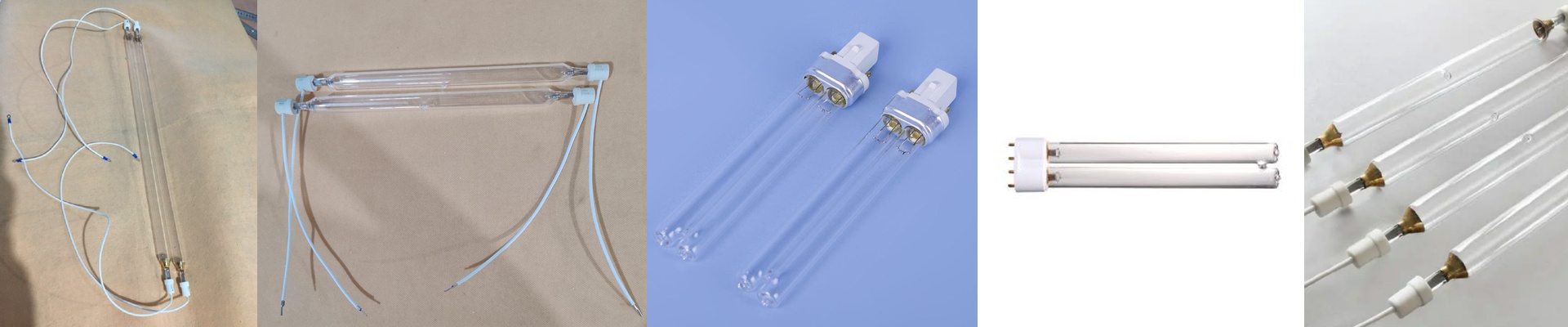
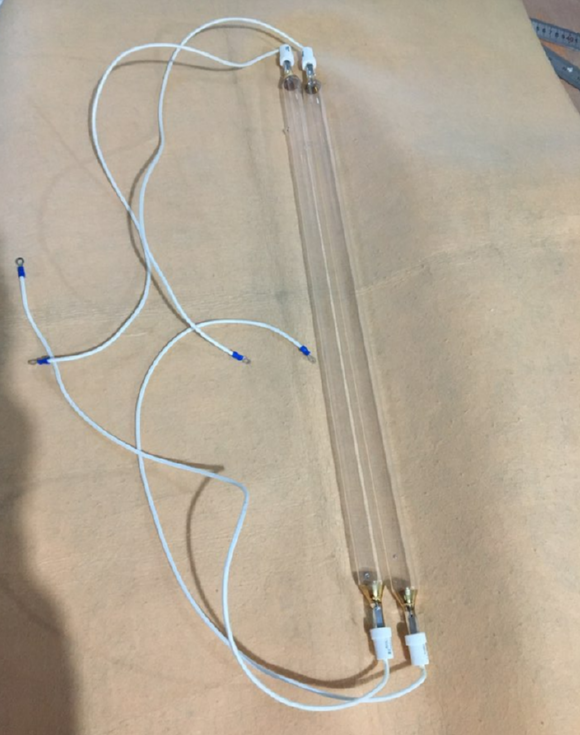
Getting Gallium Iodide Lamps Right for Your UV Line
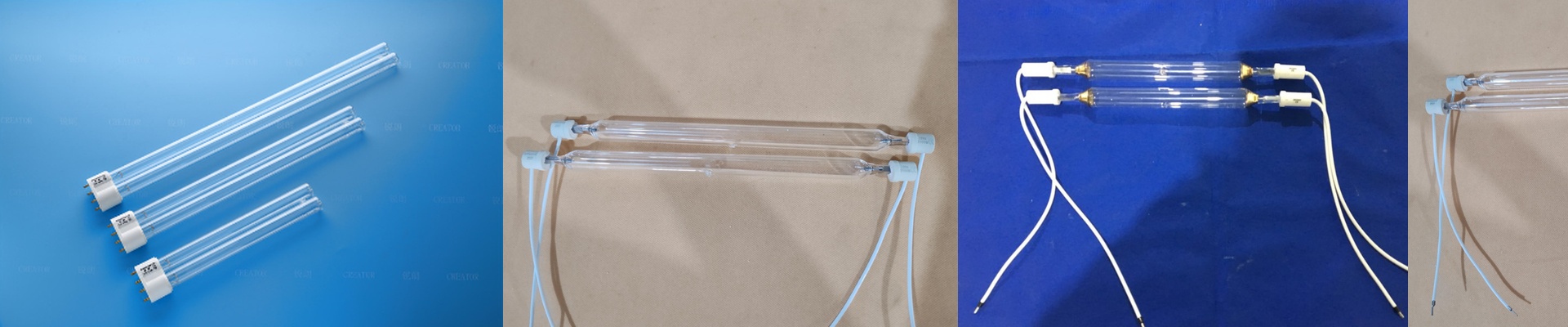
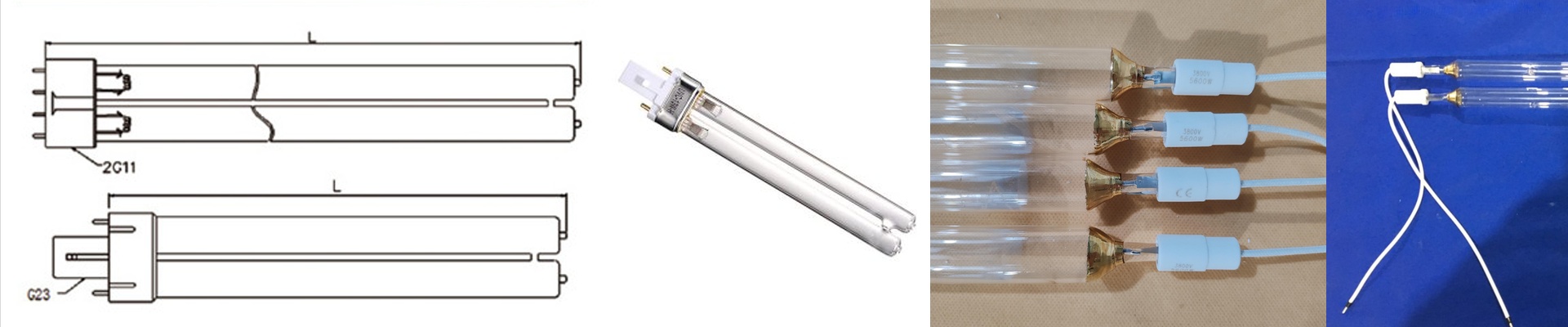
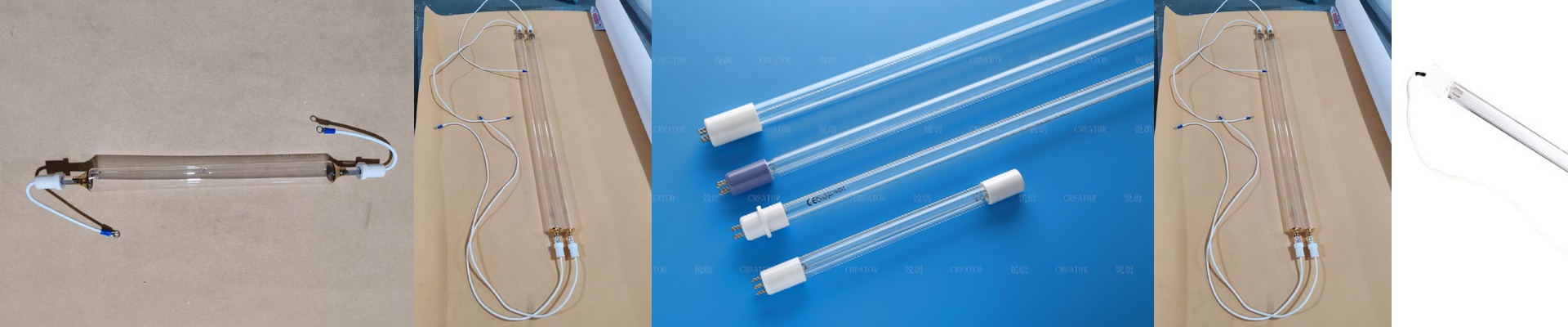
Standard mercury lamps are great until they aren’t. If you’re dealing with thick inks or those stubborn, specialized coatings, you’ve probably noticed the problem: the top looks dry, but the bottom is still tacky. It’s frustrating. You run the product off the line, only to have it smudge or peel later. That’s where gallium iodide comes in.
Why Gallium Actually Works
Here is the thing about the physics: gallium iodide shifts the light spectrum. Instead of just hitting the surface, it pushes the energy deeper into the material. It’s the difference between a light breeze and a deep soak. You get a full cure all the way through the ink film. No more guessing if the bottom layer is actually set.
The Practical Stuff (And the Gotchas)
Now, these aren’t “plug and play” in the simplest sense. They runhot. Because they push so much intensity to keep that plasma state stable, your cooling has to be on point. Whether you’re using air or water jackets, make sure your chillers can actually handle the heat. If they can’t, you’ll stress the quartz envelope and burn through your lamps way faster than you should. Also, a quick heads-up on the hardware: check your ballasts. Gallium lamps don’t always play nice with the starting voltages used for standard mercury tubes. It’s a five-minute check that saves a massive headache later.
We’re More Than Just a Parts Shop
We don’t just put a tube in a box and ship it. That’s not how this works. If you’re seeing “orange peel” textures or your prints still feel soft, the lamp is usually only half the story. It’s really about how that specific wavelength talks to the photoinitiator in your ink. We’ll sit down with you to figure out the sweet spot—balancing your wattage with your conveyor speed. The goal is to hit that perfect dose so everything cures instantly, without scorching your substrate.