Getting the Light Right: The Reality of Gallium Iodide Lamps in PCB Production
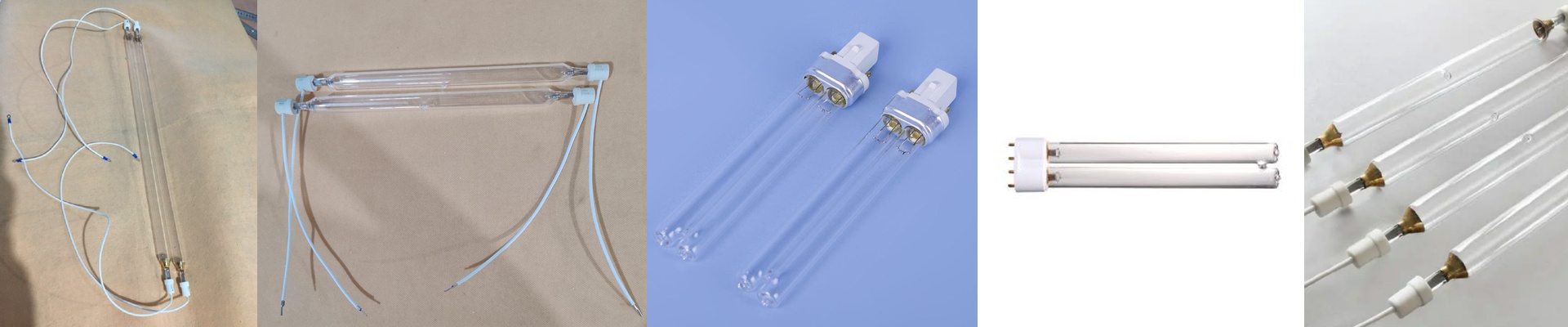
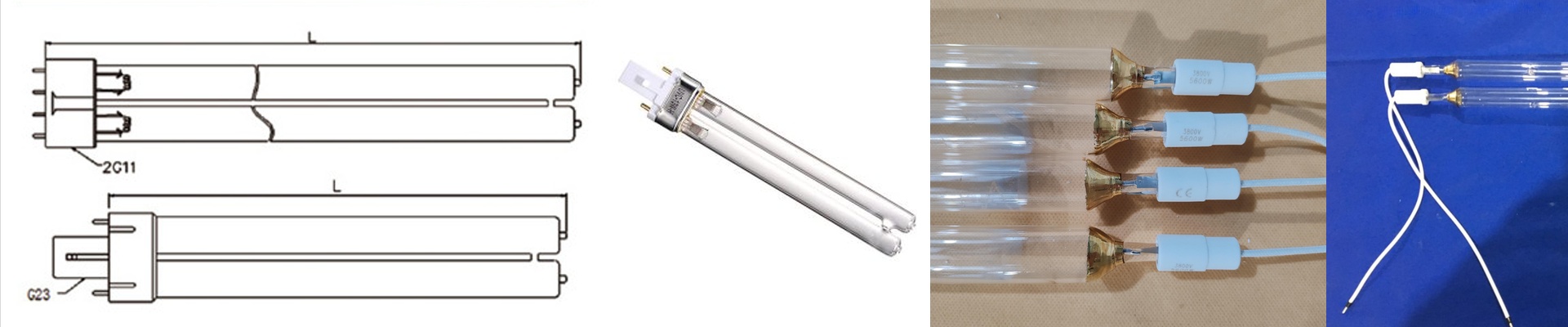
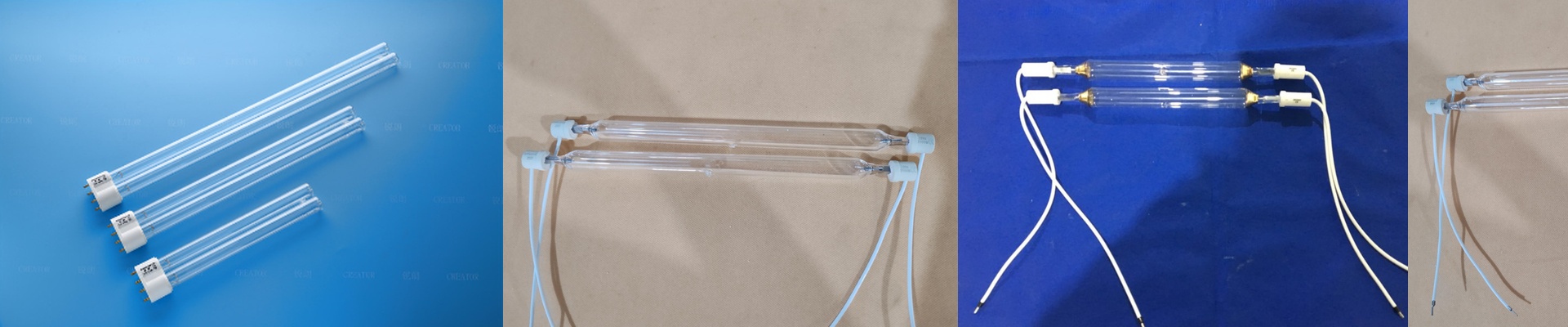
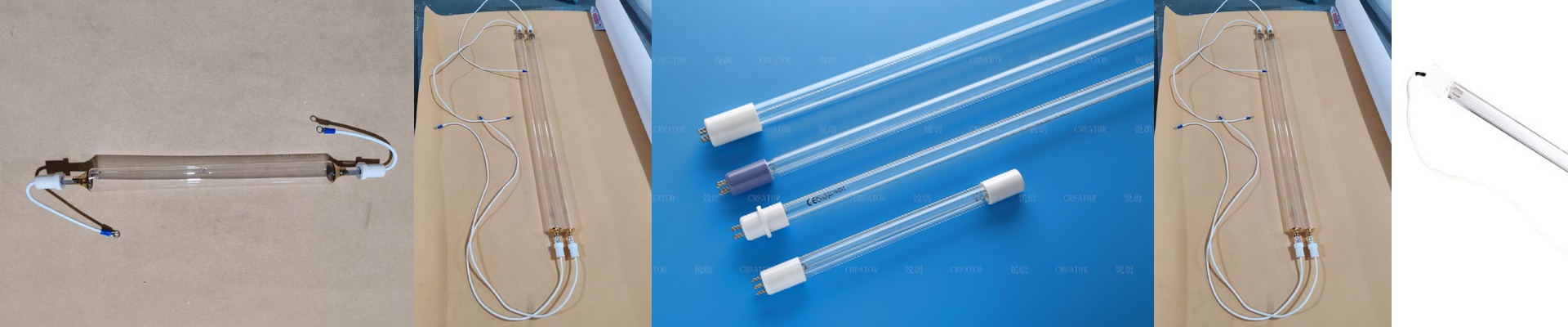
Look, most people think of light as just something that “cures” a board. But if you’re running a modern PCB line, you know it’s more like a scalpel. You need precision. That’s where Gallium iodide lamps come in. They’re the real heavy lifters when it comes to hitting those tight spectral bands for photoresist exposure. The science part (kept simple) Standard halogen lamps just won’t cut it for high-res fabrication. They’re too broad. Gallium iodide shifts the spectrum, pushing a concentrated peak into the ultraviolet and visible blue ranges. Why does that matter? Because it lets the light punch straight through the photoresist without scattering. Your circuit traces stay crisp. If that spectral output starts to drift, you’re in trouble. You’ll start seeing blurred edges, and suddenly, you’re staring at a pile of failed boards. Heat is the enemy Here’s the thing: when you drop these into a conveyor system, you have to worry about power density. We build these things to handle rapid cycling, but man, they get hot. You’ve got high wattage packed into a tiny quartz envelope. That glass is scorching. If you don’t get your cooling blowers exactly right, you’re asking for trouble. Not enough airflow? The lamp burns out early, or worse, you actually warp the substrate. What happens on the shop floor If you’re still using old mercury-vapor systems, these are a breeze to swap in. You get faster ramp-up times and way more control over your exposure dose. It’s a huge win for HDI boards where you’re fighting for every single micron. But there is a catch. Gallium lamps don’t last as long as basic infrared tubes. They degrade. You can’t just “set it and forget it.” You need to keep a close eye on your run-hours and swap them out before the intensity dips. Trust me, you don’t want to find out your lamps are dead because your QC reports are suddenly full of rejects. Be proactive. Change them early.