More Than Just a Sticker: The Real Deal on CE Certification for UV Lamps
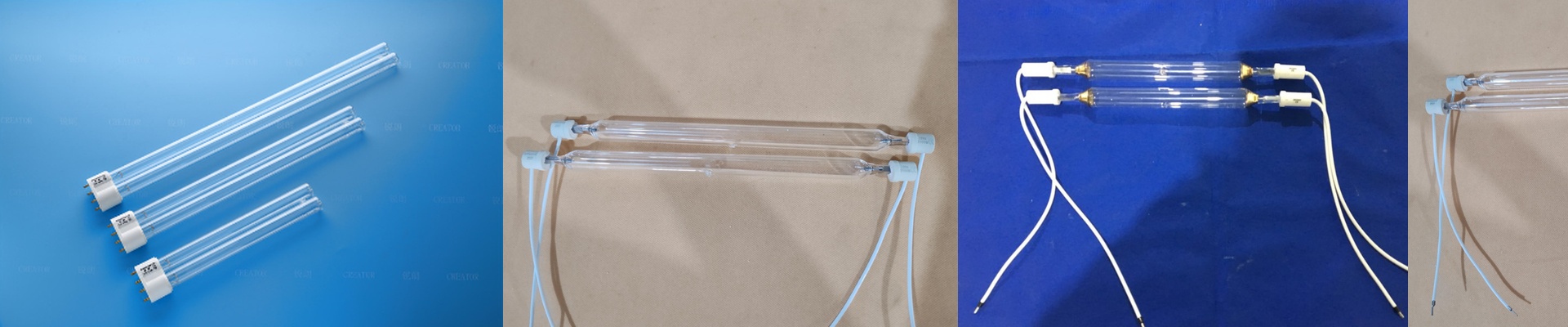
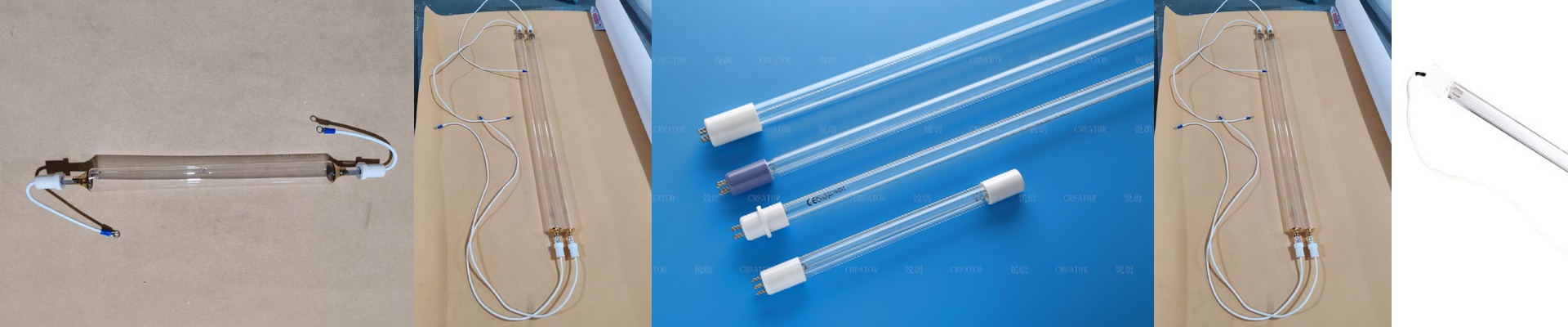
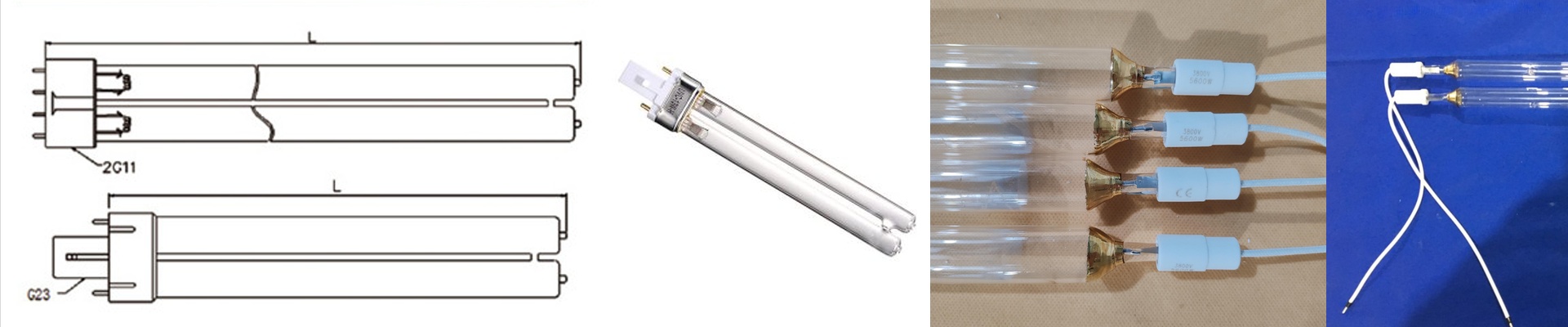
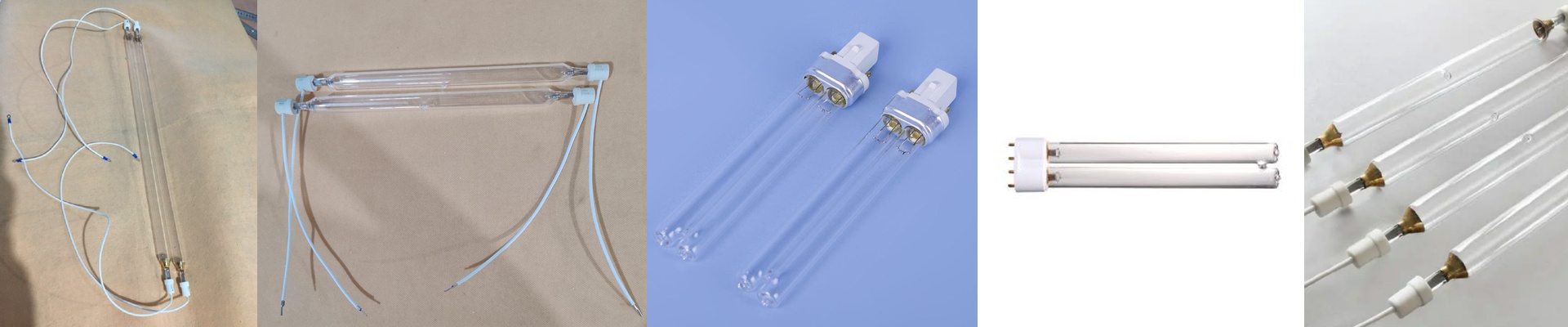
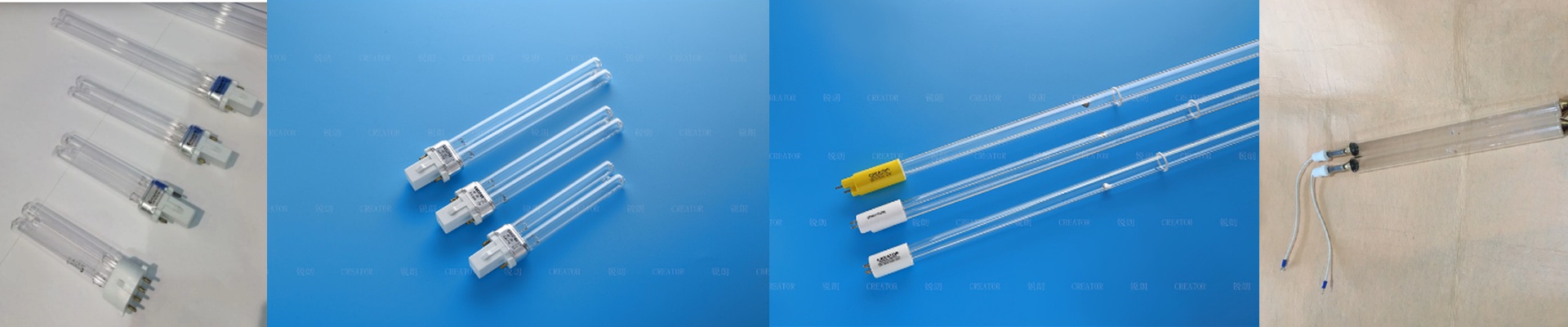
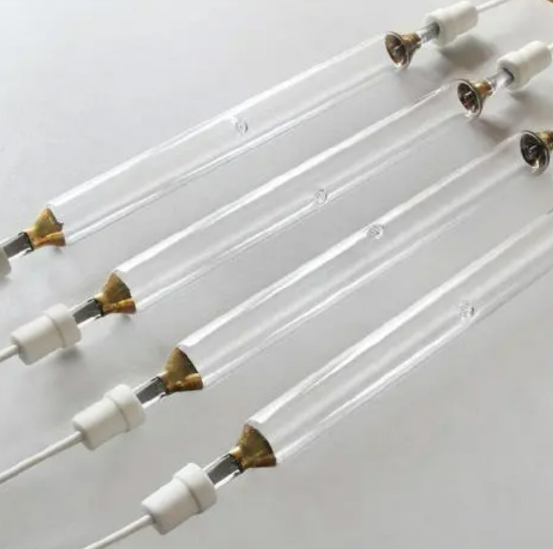
Most people look at a CE mark and see a boring piece of paperwork. A hoop to jump through. But when you’re dealing with industrial quartz UV lamps, that little logo is actually a safety net. It’s the difference between a tube that pops in a week and one that actually handles a 24/7 grind in a real factory. Let’s talk about the electricity. A UV lamp isn’t just a glass tube; it’s carrying a lot of voltage. We have to be incredibly picky about insulation and dielectric strength. If your power supply doesn’t play nice with the lamp’s impedance, you’re looking at arcing at the electrodes. Not a good sound. Not a good smell. We build our tubes to take those surges. Without that kind of testing, you’re basically gambling with your ballast. One short circuit and your entire production line goes dark. That’s a long, expensive day. Then there’s the glass. Quartz purity is where the battle is won or lost. We use high-silica quartz so the tube doesn’t get cloudy or “solarize” after a few hundred hours of work. The CE standards keep us honest about where we get our materials. It means your 254nm or 185nm output stays steady. When the glass is cheap or impure, the tube actually absorbs the UV-C photons instead of letting them hit your target. You lose power. Your curing takes longer. Everything slows down. The honest truth about the cost. Look, getting these certifications takes time and it costs money. We can’t cut corners on the glass thickness or the electrode seals. You’ll pay a bit more for a CE-marked lamp. But you’re really paying to avoid the nightmare of unplanned downtime. Just a heads-up, though: a certified lamp can’t fix a messy machine. You still need a properly grounded chassis. If your wiring is a disaster, no certification in the world will stop a ground fault. We’ll make sure the lamp is rock solid; just make sure the environment it lives in is too.