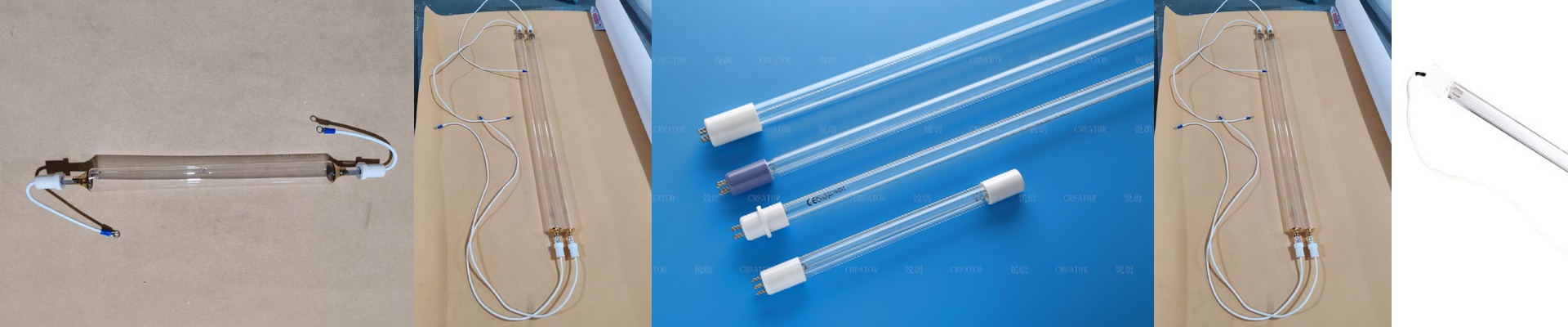
Stop Treating Your UV Lamps Like Trash
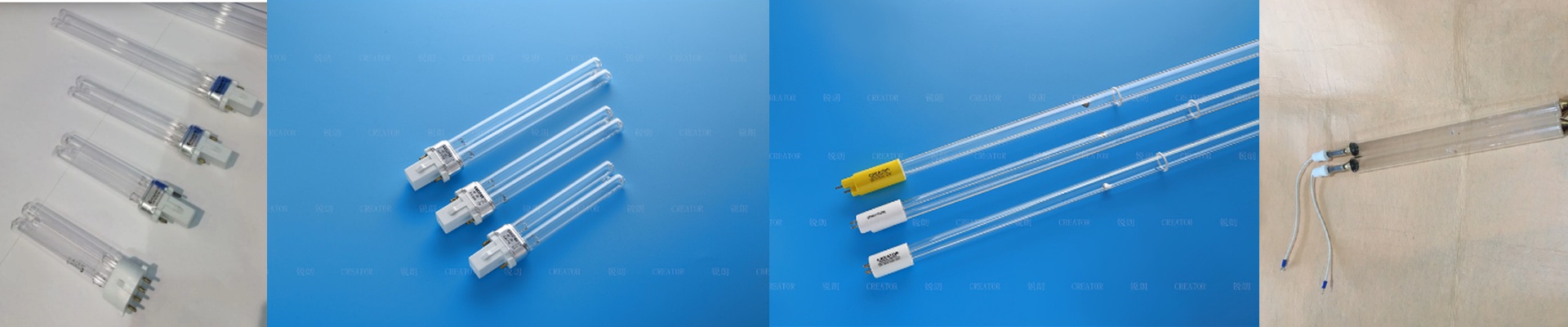
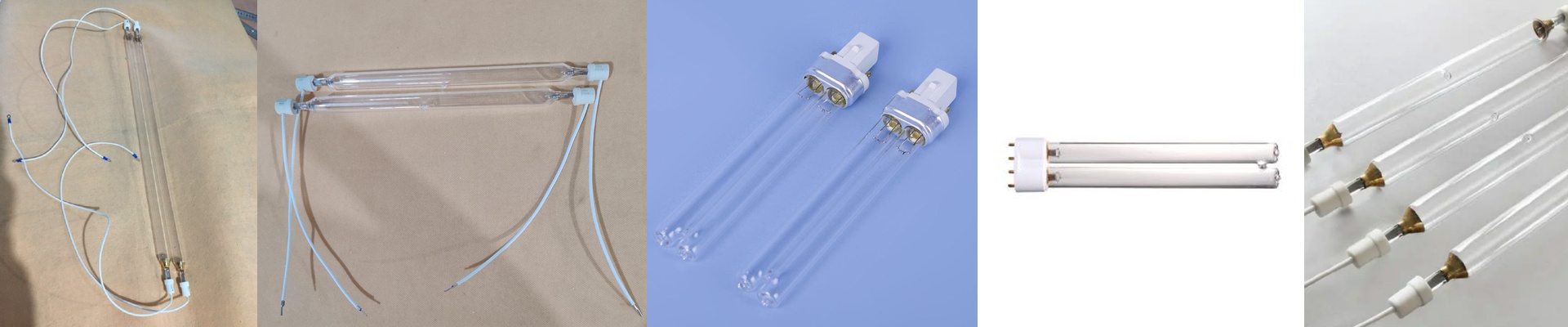
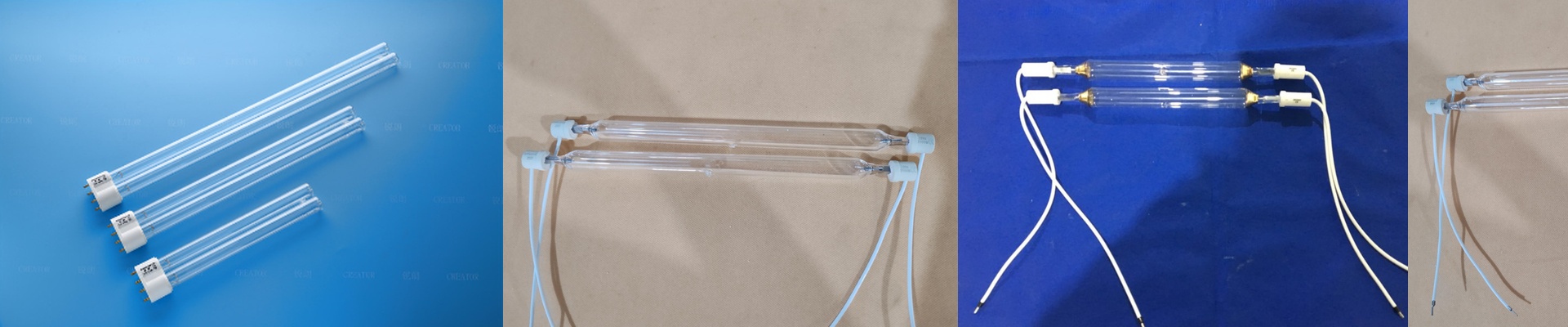
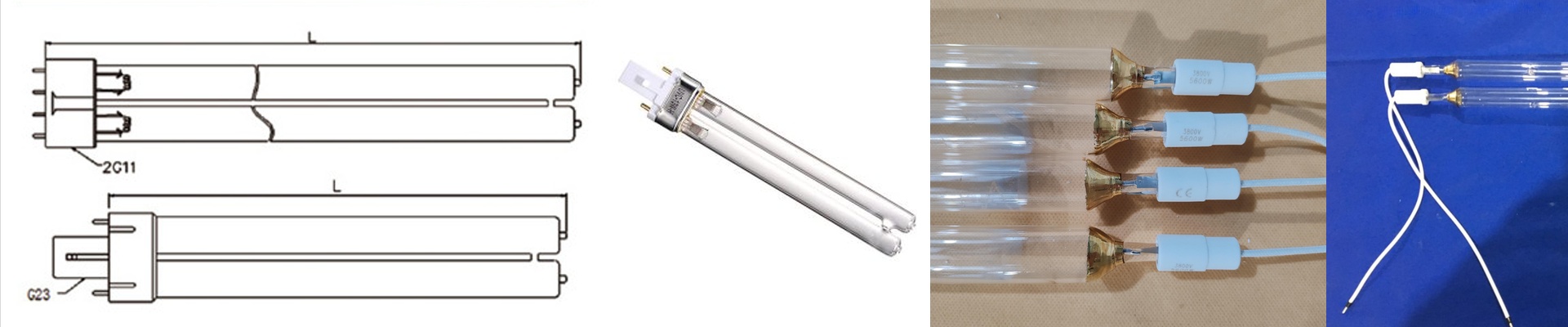
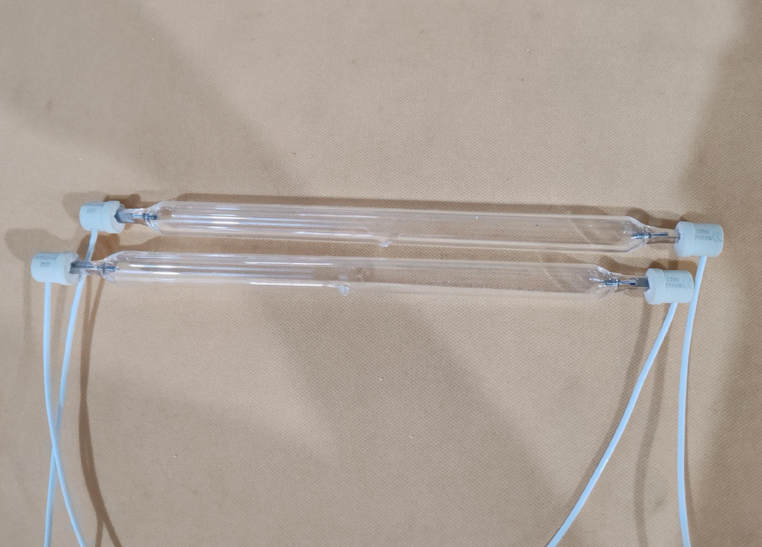
Let’s be honest: most UV lamps are designed to be disposable. You plug them in, they work for a bit, the electrodes burn out, and then you’re stuck dealing with the headache of disposing of hazardous waste. It’s a cycle that feels outdated and, frankly, a waste of money. We decided to change that. We’re moving away from “disposable parts” and toward gear that actually lasts. Our new energy-saving germicidal lamps use clean, eco-friendly materials, so when it finally is time to retire them, you aren’t leaving a toxic mess behind. Getting more bang for your buck Here is the thing about UV-C output: it’s all about the balance. If your lamp wastes too much energy as heat, you’re just paying to warm up the room. We spent a lot of time tweaking the gas mix and the shape of the electrodes. The result? More UVC photons and less wasted heat. This is a win-win. Your ballast isn’t working overtime, your cooling fans can relax, and those annoying gaskets and seals around your equipment won’t bake and crack nearly as fast. The science (without the snooze-fest) We swapped out the nasty stuff for materials that actually make sense. We used a high-transmittance quartz sleeve, which basically means the 254nm light slides right through the glass instead of getting trapped inside. Plus, we redesigned the cathode to stop that dreaded “burn out” you see in the cheap stuff. It stays steady. It stays bright. It just keeps working for thousands of hours. One quick heads-up: because these materials are higher quality, they’re a bit pickier about power. Keep your voltage steady within ±5%. If your power supply jumps around too much, you’ll shave time off the lamp’s life. Making your life easier on the floor Nobody wants to rewire an entire rack just to upgrade a bulb. That’s why we made these “drop-in” replacements. They fit right into your existing sterilization tunnels or water treatment arrays without any fuss. And the best part? Your maintenance schedule changes completely. Instead of swapping lamps every month, you’re looking at a quick inspection once a year. It’s safer for your team—no more worrying about mercury exposure during frequent swaps—and it cuts down on the constant paperwork of ordering new supplies. It just works.