Keeping Your Shop Safe with UV Germicidal Lamps
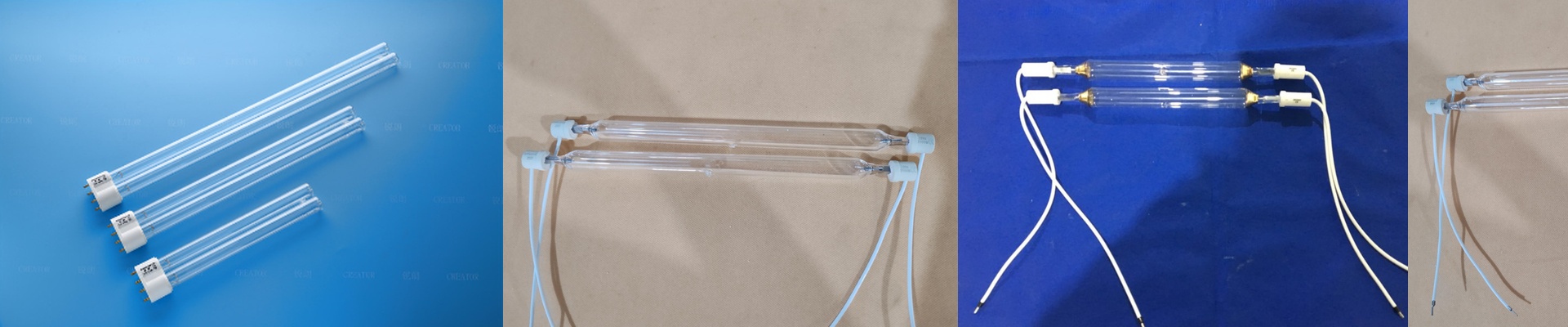
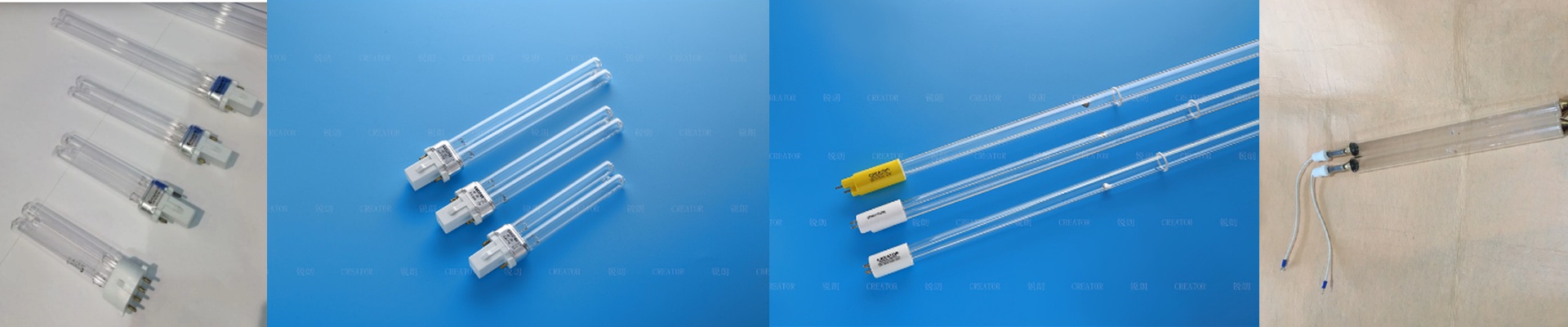
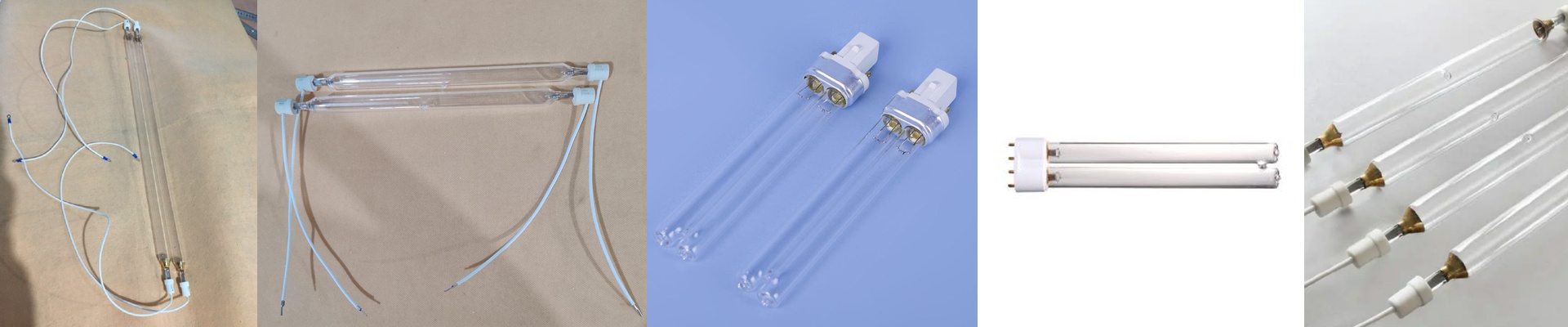
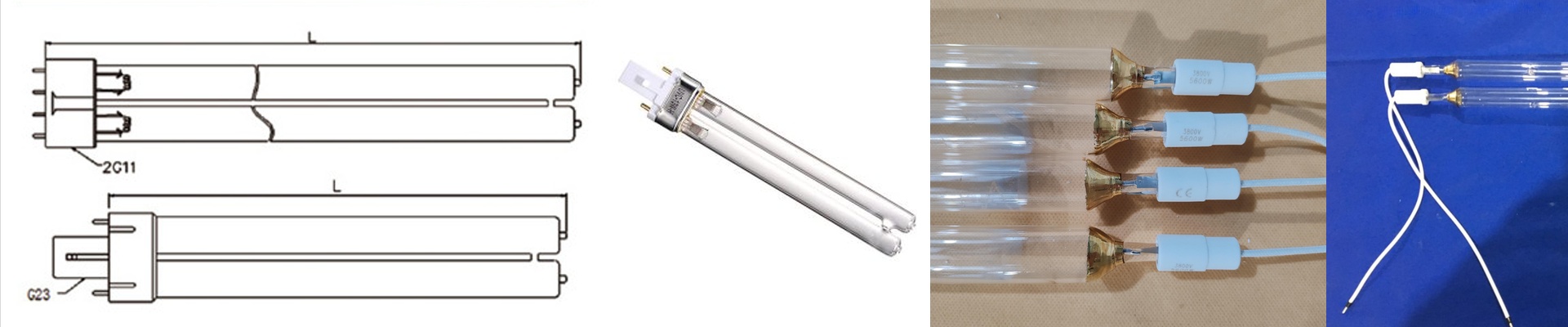
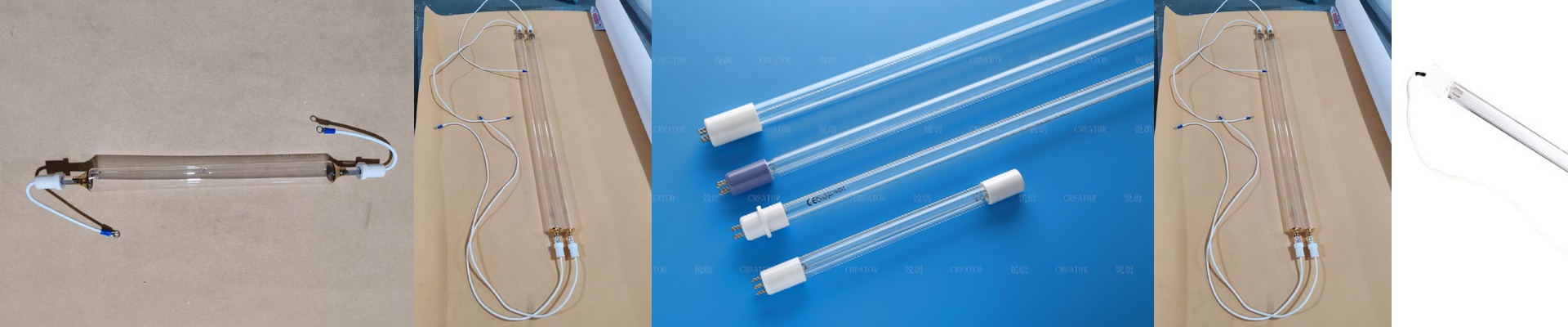
UV-C lamps are great for killing germs and curing inks, but let’s be honest: they’re dangerous if you don’t treat them with respect. If you’re running a small print shop and adding these to your curing lines or sterilization tunnels, you can’t afford to wing it. You need to get the shielding and the heat under control, or you’re asking for trouble. The Invisible Danger Most of these lamps hit a peak at 253.7 nm. You can’t see it. You can’t smell it. But it will burn your skin and wreck your eyes in a heartbeat. That’s why we use heavy-duty aluminum or stainless steel for the housings. It blocks the line-of-sight so the radiation stays where it belongs. Just a heads-up: check your conveyor gaps. If there’s a hole, plug it with UV-opaque acrylic or polycarbonate. If light leaks out, the radiation leaks out. Simple as that. Heat and Power These lamps are power-hungry. If the driver doesn’t match the ballast perfectly, you’ll get flickering or a dead bulb way sooner than you should. Then there’s the heat. High wattage means these tubes get scorching hot. If a cooling fan dies or some dust blocks the airflow, that quartz envelope is going to overheat. This doesn’t just kill the lamp—it actually changes how the light works, meaning your sterilization becomes a guessing game. Make sure your cooling system is actually built to handle the heat load for every inch of that lamp. Making it Work in a Small Shop We designed these units to be easy drop-in replacements for those old, clunky arrays. Since space and budget are usually tight in smaller plants, we kept the footprint modular. You can plug these right into your existing 220V lines, but please, do yourself a favor: install a dedicated kill-switch. And here is the non-negotiable part:you need a physical interlock. The second a guard door opens, the lamp has to go dark. No delays. No “almost.” This is the only way to make sure nobody gets a nasty surprise while making a quick adjustment mid-run.