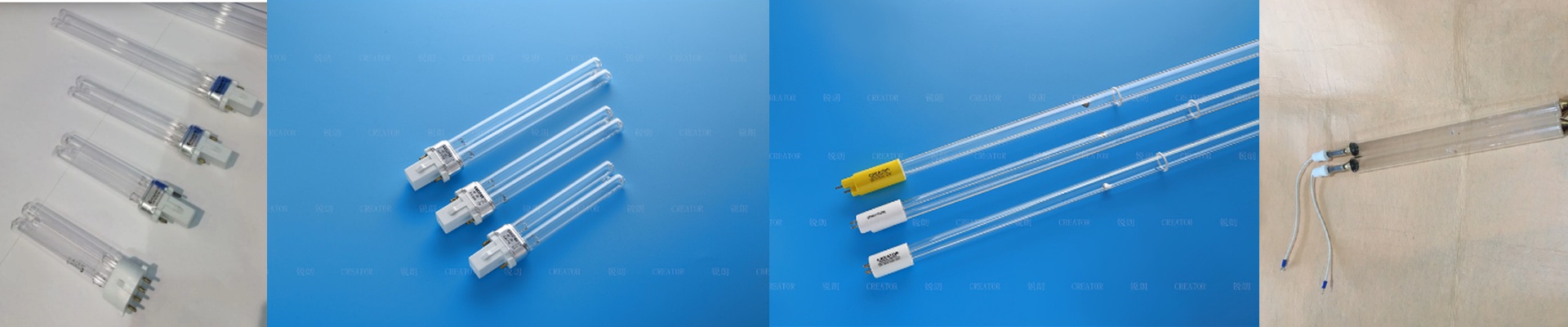
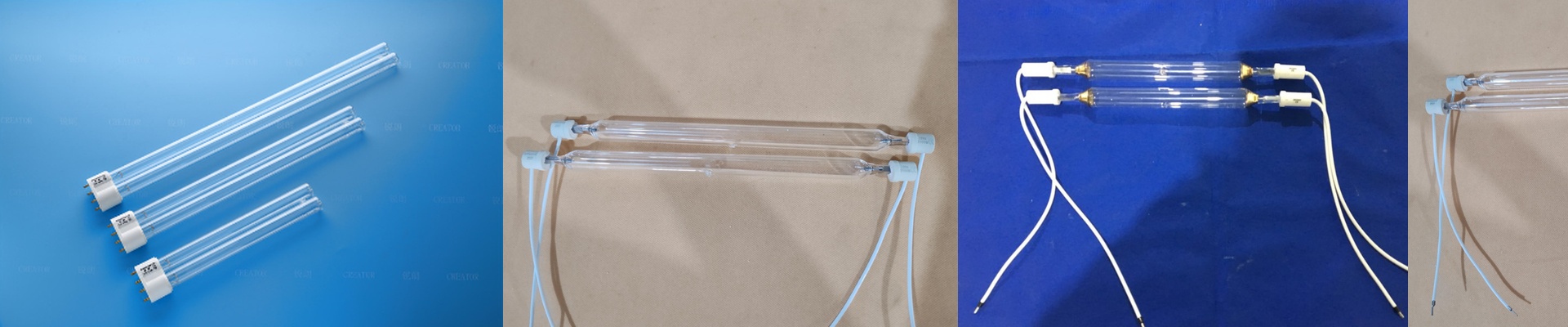
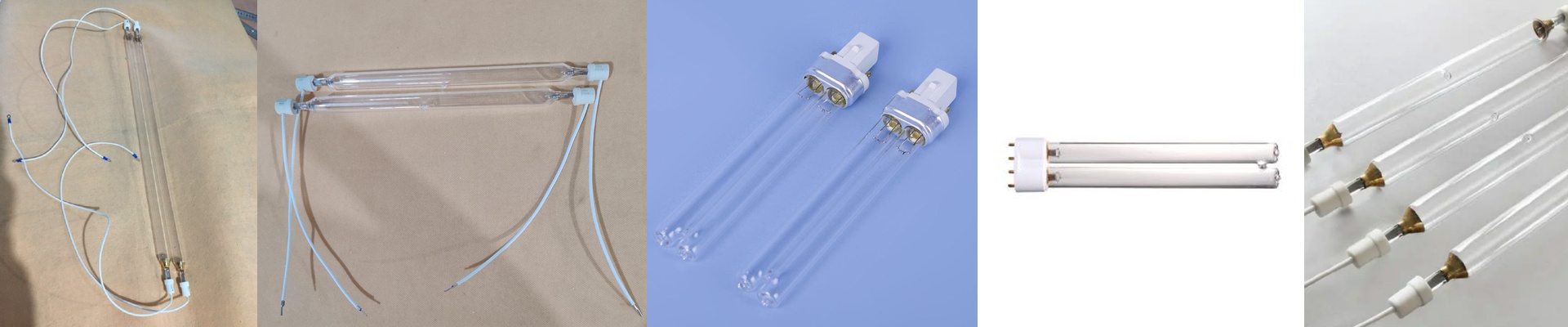
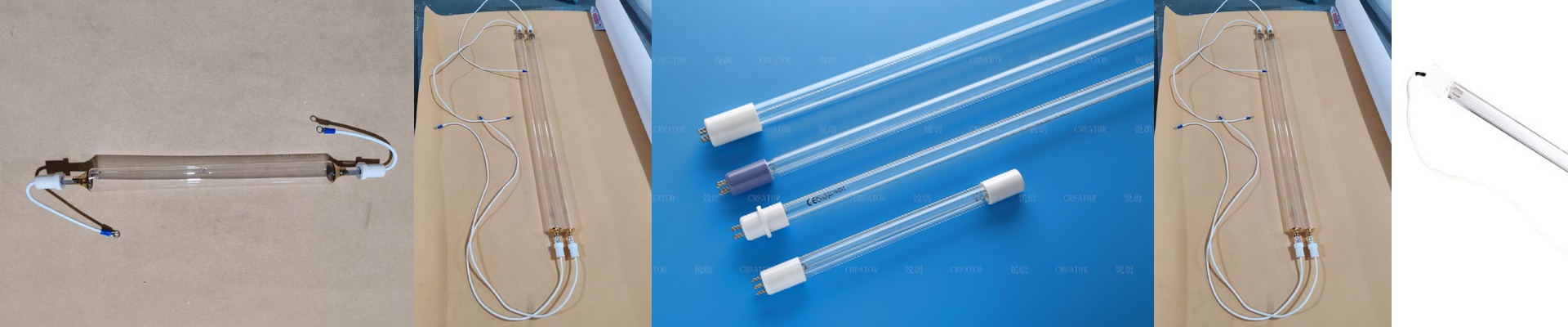
Getting Your UV Curing Right with Custom Gallium Iodide Lamps
If you’ve ever struggled with thick coatings that just won’t cure, or photo-initiators that seem stubborn no matter what you do, you know the frustration. Standard mercury lamps are fine for the basics, but sometimes they just can’t hit the right spot. That’s where gallium iodide comes in. We use it to shift the light spectrum—usually right into that 250nm to 350nm sweet spot. It’s the difference between “almost cured” and a perfect finish.
The Secret is in the Mix
We don’t just throw materials in a tube and hope for the best. We carefully tune the gallium concentration and the iodide salt ratios inside the quartz. It’s a bit of a balancing act to get that high-intensity UV-C and UV-B output. And we don’t do “off-the-shelf” here. We look at your specific ballast capacity to nail the wattage and voltage. Why? Because if the voltage is off, you’re in for a bad time. Too low, and the lamp flickers. Too high, and you’ll burn through your electrodes way faster than you should.
Built to Take a Beating
UV light is brutal on materials. If you use cheap glass, it “solarizes”—which is a fancy way of saying it turns brown and opaque, killing your output. To stop that, we use high-purity fused quartz. We also use tungsten for the electrodes. They can handle the thermal shock of being turned on and off without cracking under the pressure. But here is the real talk:you have to keep these things cool. These lamps run hot. Really hot. If your airflow is sluggish or your water-cooling jacket is clogged with scale, the quartz will actually soften. We’ve seen tubes warp and fail simply because the heat sink wasn’t up to the task. Don’t let that be you.
Plugging It In
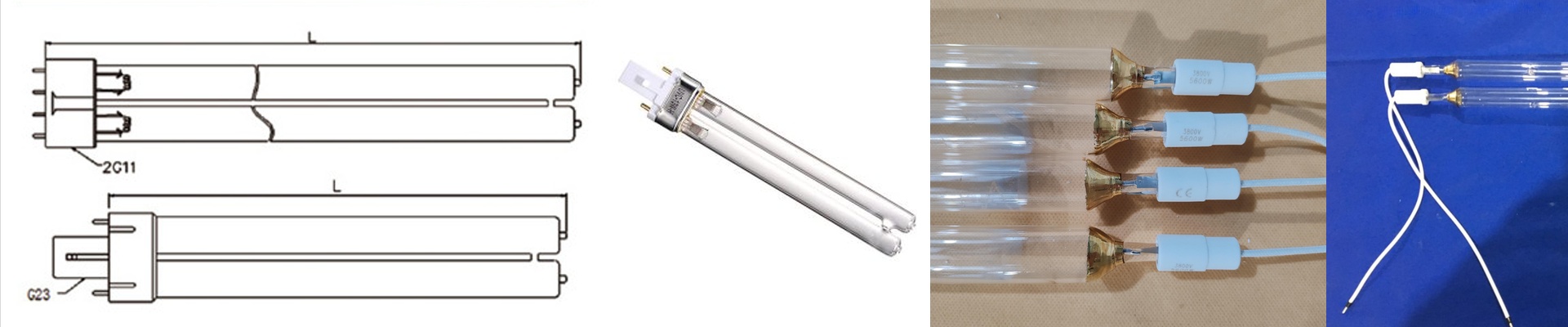
The best part? You don’t have to rip out your existing setup. We build these to match the footprint and connectors of the big international brands. You just swap them in. No rewiring your racks, no headaches. Whether you’re etching semiconductors or curing heavy-duty adhesives, it all comes down to consistent power (mW/cm²). We focus on the gas fill and the spectral output so the intensity stays steady for thousands of hours. Just do us a favor: don’t over-drive the current, and these lamps will treat you right.