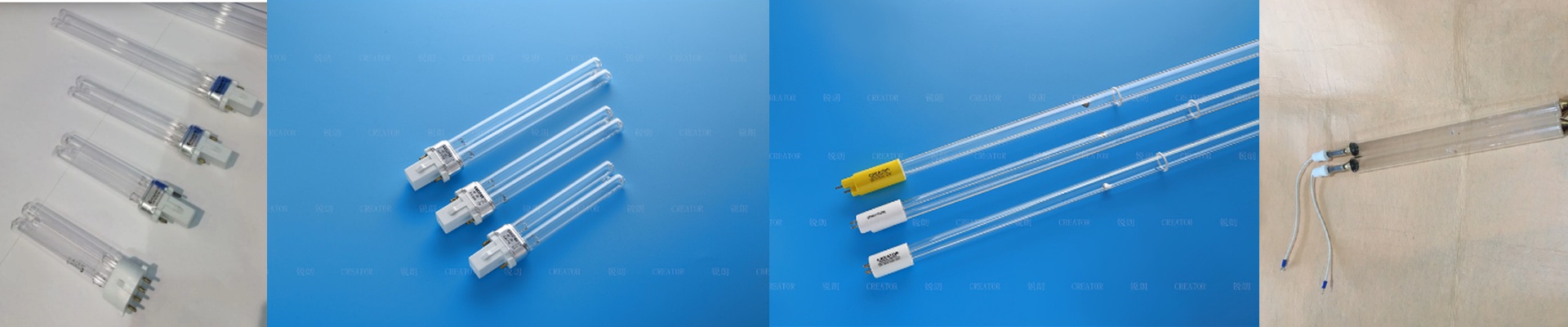

Getting the Light Just Right: The Truth About Gallium Iodide Lamps
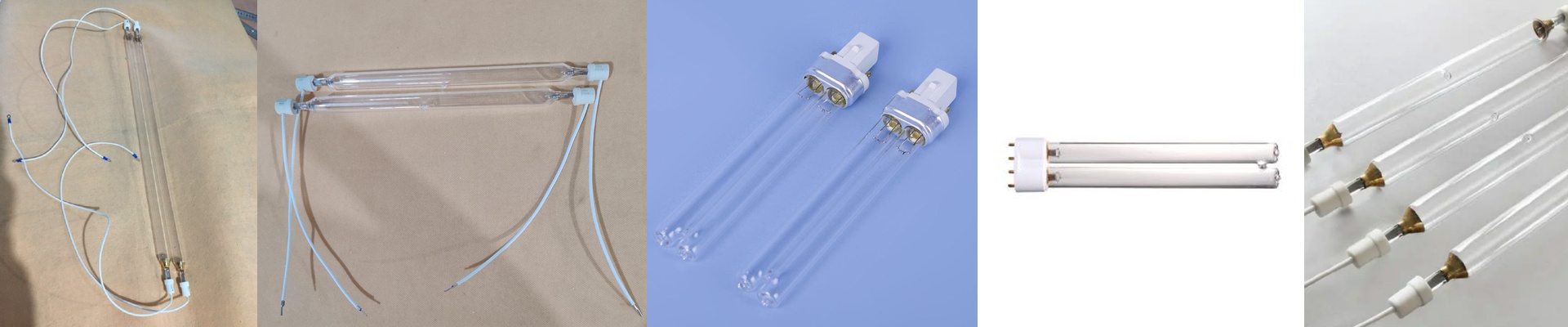
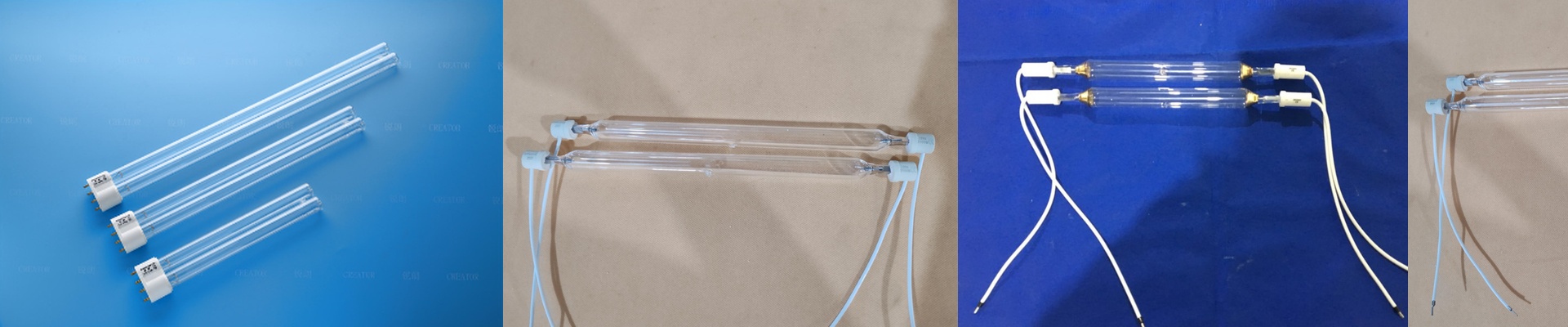
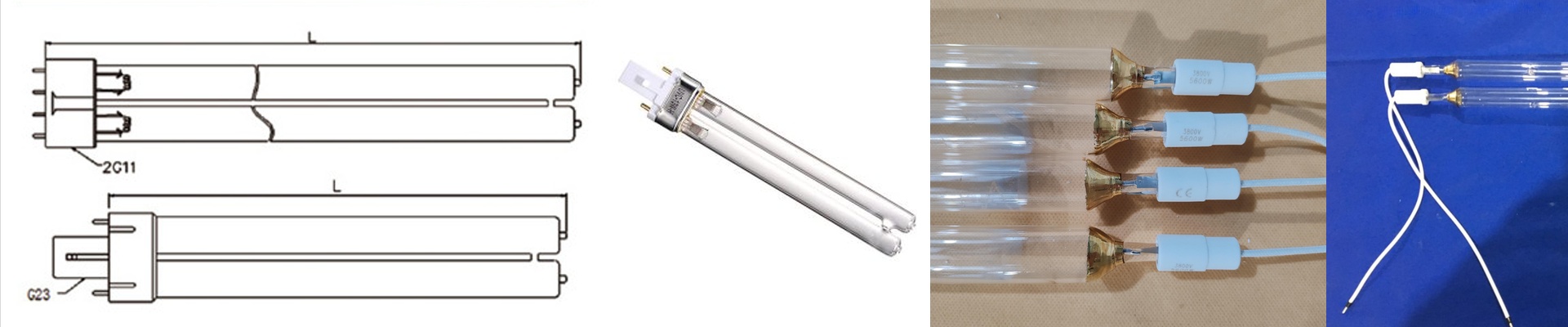
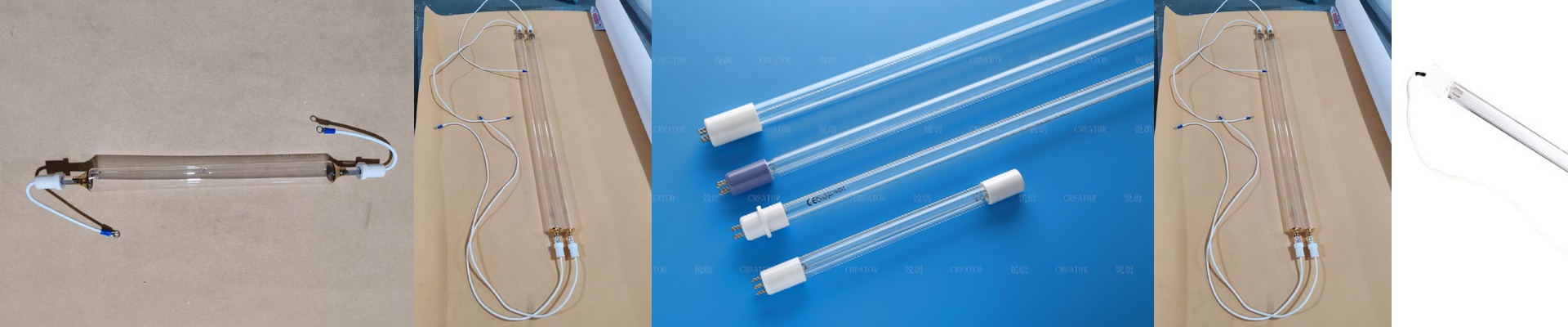
If you’ve ever worked with UV curing or photolithography, you know that “mostly correct” usually means “completely ruined.” That’s where Gallium Iodide (GaI) lamps come in. Most people are used to standard mercury vapor lamps, but those are like using a shotgun when you actually need a sniper rifle. We’re not looking for a broad blast of light; we’re hunting for a very specific, narrow-band wavelength. Our goal? A 0.5% tolerance on spectral energy concentration. It sounds like a tiny number, but in the world of photoresists, it’s the difference between a perfect print and a blurry mess. The secret is in the mix. A lot of people think it’s all about the glass. It isn’t. It’s really about what’s happening inside—the purity of the gallium iodide and the exact pressure of the fill gas. If the pressure is off by even a hair, the peak wavelength shifts. Everything starts to blur. To stop that, we obsess over the fill levels and the spacing of the electrodes. We lock that output into a tight band so the chemical reaction triggers instantly, without cooking your substrate in the process. It’s not without its headaches, though. These lamps run incredibly hot. We use quartz envelopes because they can take the heat of a plasma arc without warping, but the hardware around the lamp has to be just as tough. You also can’t just plug these into any old power source. If your ballast fluctuates, the arc starts to wander, and that 0.5% precision we worked so hard for just vanishes. And please, don’t try to squeeze these into a standard housing. You need a cooling system that actually moves heat away from the envelope fast. If the lamp overheats, the gallium starts to migrate. That’s how you end up with “dark spots” on your tube and a much shorter lifespan. Why bother with all this? Because in semiconductor fab or medical coatings, “close enough” is a disaster. A wide spectrum kills your yield. By tightening that energy concentration, we can slash curing times. More importantly, you can stop worrying about accidentally melting your base material. It just works.