Making UV Lamps That Don’t Trash the Planet (And Actually Last)
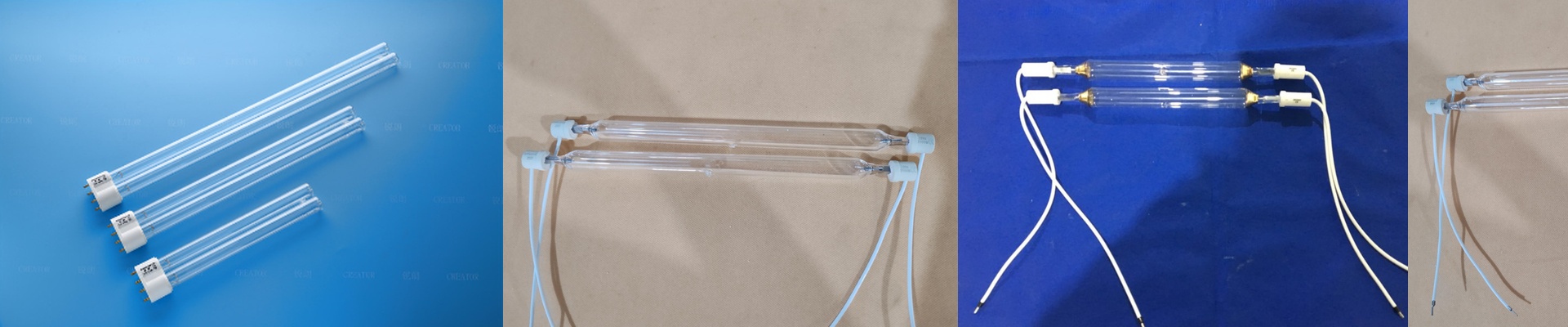
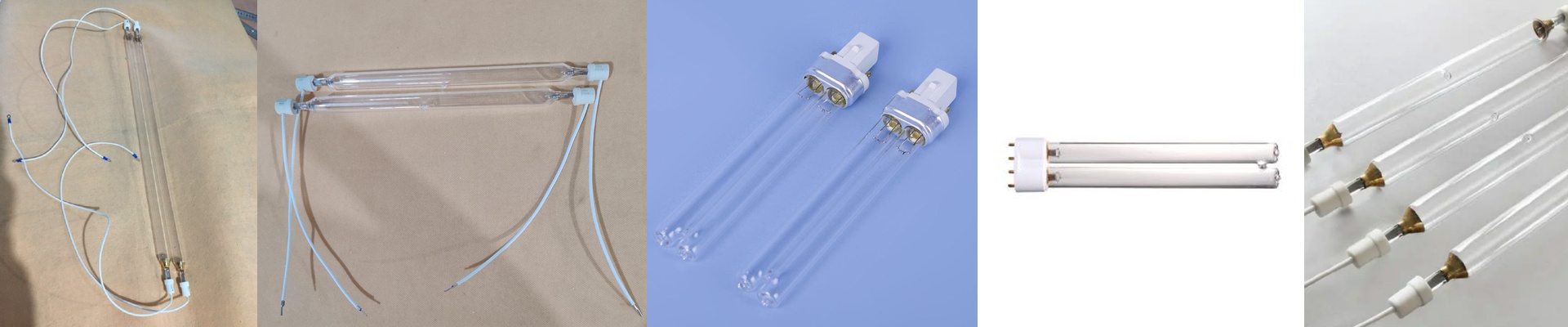
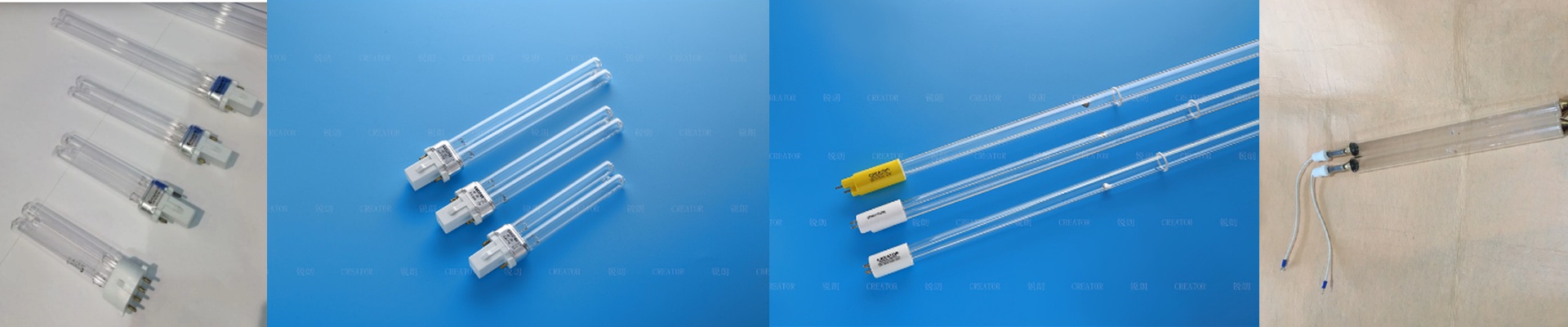
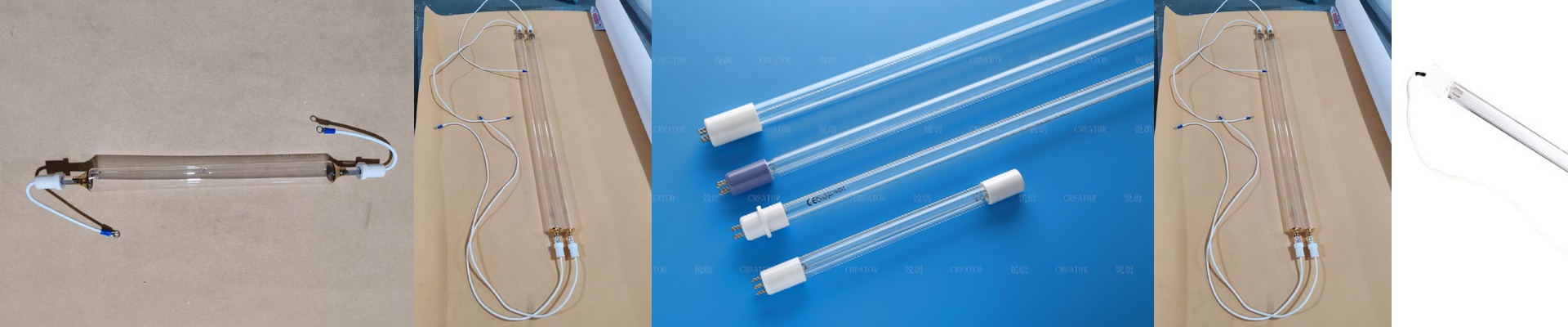
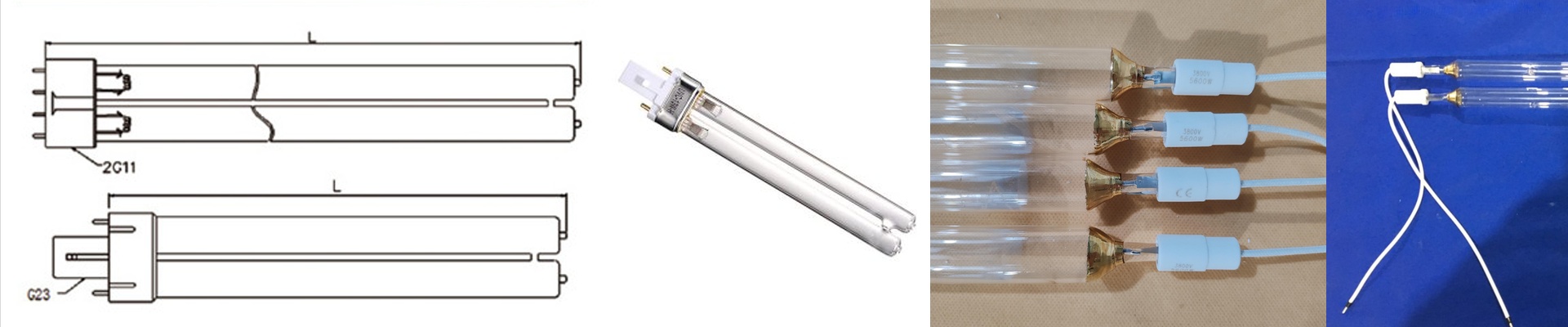
We’re changing how we build our UV lamps. This isn’t some corporate PR stunt or a “green” marketing campaign. It’s a practical overhaul of what goes into the lamps so we can stop using hazardous junk without losing the power you need for curing and sterilization.
Better materials, less waste
The old way of doing things usually involved materials that were a nightmare to throw away or leaked toxins during the build. We’ve ditched those. Now, we’re using eco-friendly quartz and electrode alloys. By cleaning up the purity of the quartz sleeve, the glass doesn’t break down as fast under high-intensity UV. It’s a simple win: the lamp lasts longer, and you aren’t tossing it in the bin nearly as often.
The battle against heat
If you want a lamp to last, you have to beat the heat. The real danger zone is the seal where the electrode meets the glass. If that seal pops, the lamp is garbage. To fix this, we use a precision weld that keeps the vacuum tight for thousands of hours. Look, I won’t tell you these lamps last forever. They don’t. High-output UV lamps naturally fade over time. But by getting the internal gas mixture just right, we’ve managed to flatten the output curve. You get steady, consistent intensity for much longer before you see that annoying drop-off.
The real-world stuff
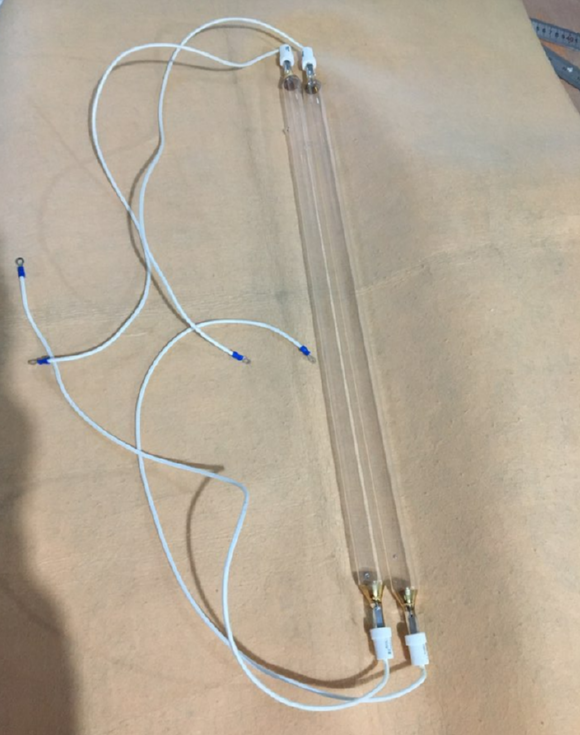
Here is something you need to watch out for: switching to eco-materials can shift how the lamp handles heat. Check your cooling setup. If you’ve got these tucked into a tight housing with barely any airflow, the “long-life” materials won’t save you. If the heat builds up, it’ll just fry your ballast. The good news? These are drop-in replacements. You pull out the old tube, pop in the eco-spec version, wire it to your current controller, and you’re back in business. Cleaner builds, fewer replacements, and a disposal process that doesn’t poison the soil. That’s the goal.