Getting the Wavelength Right With Gallium Iodide Lamps
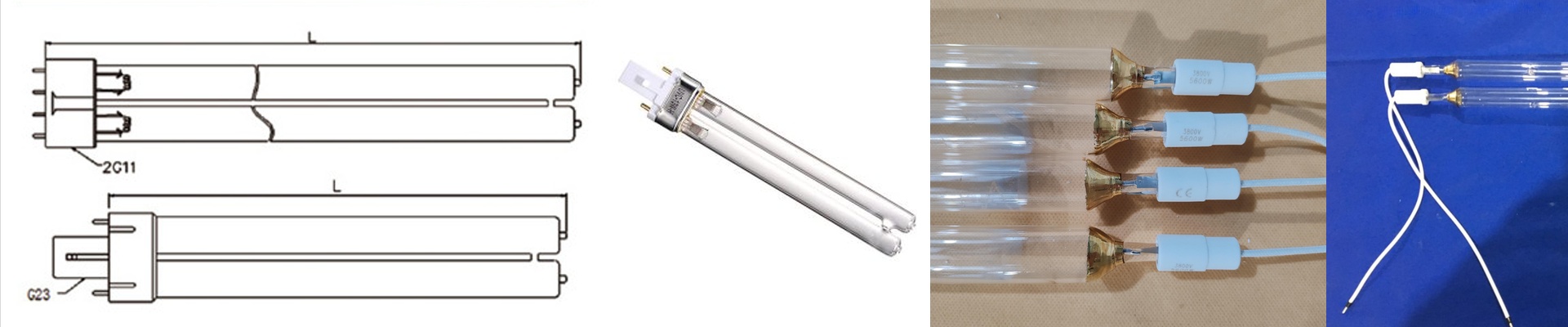
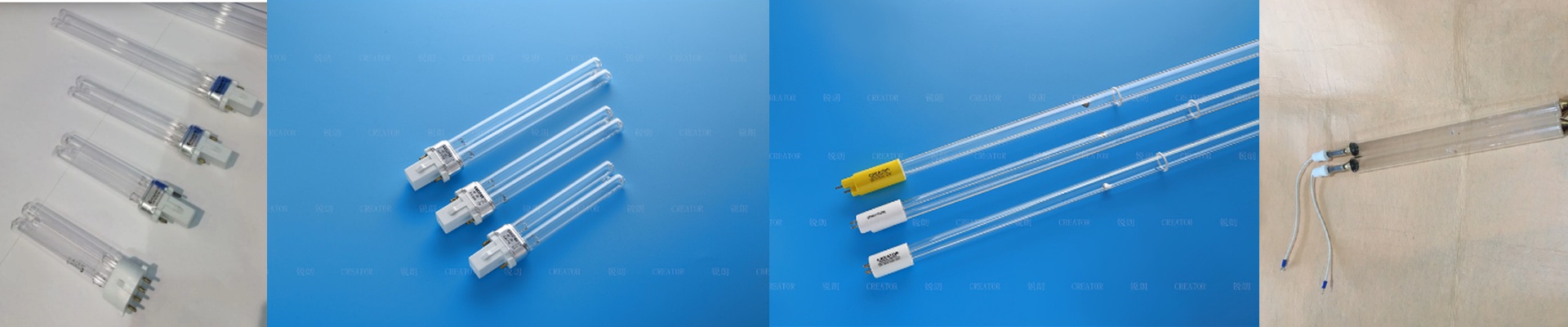
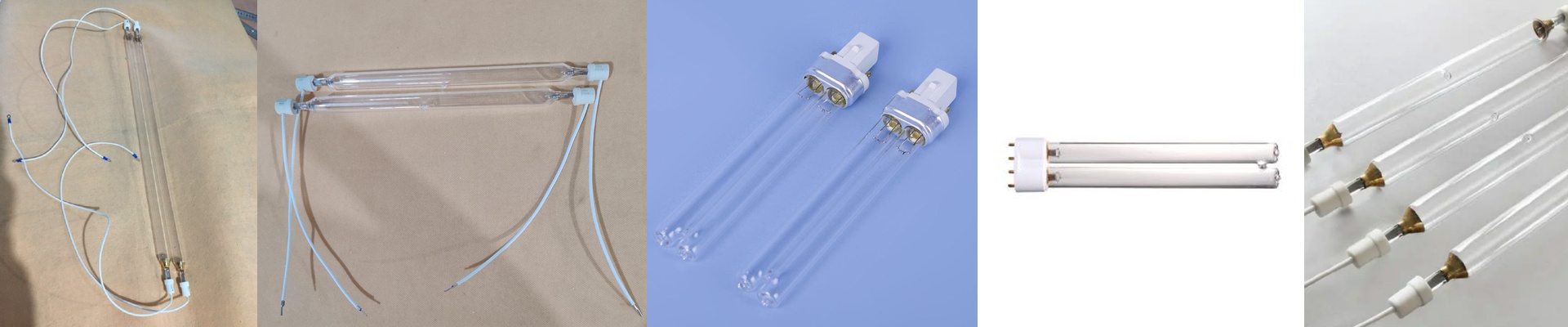
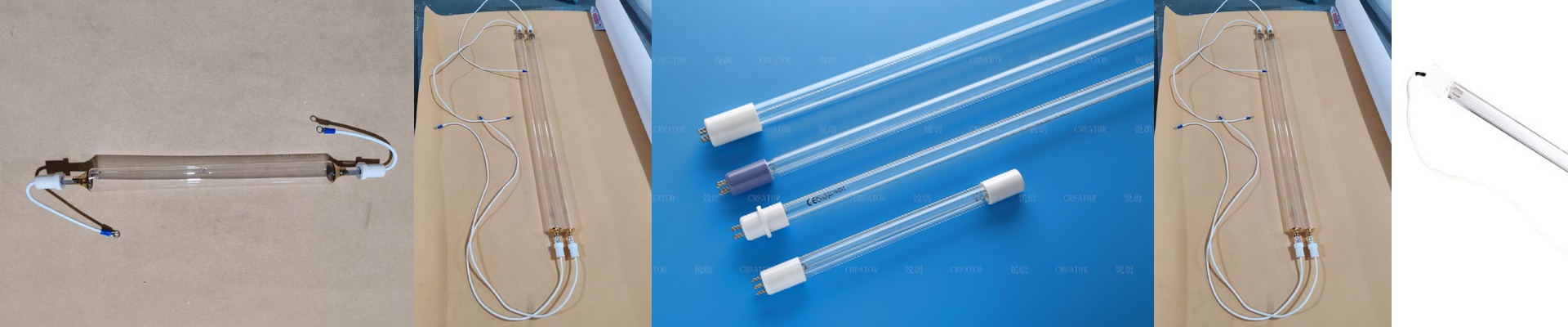
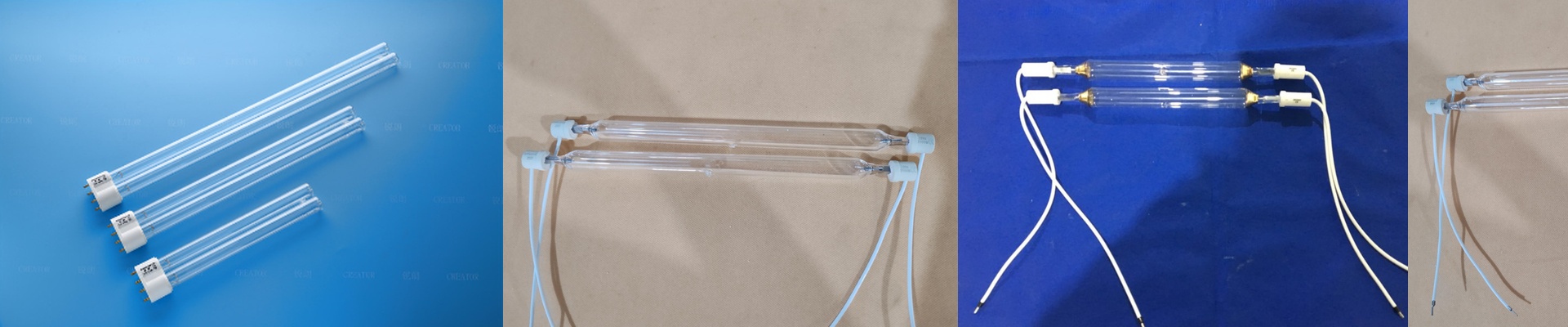
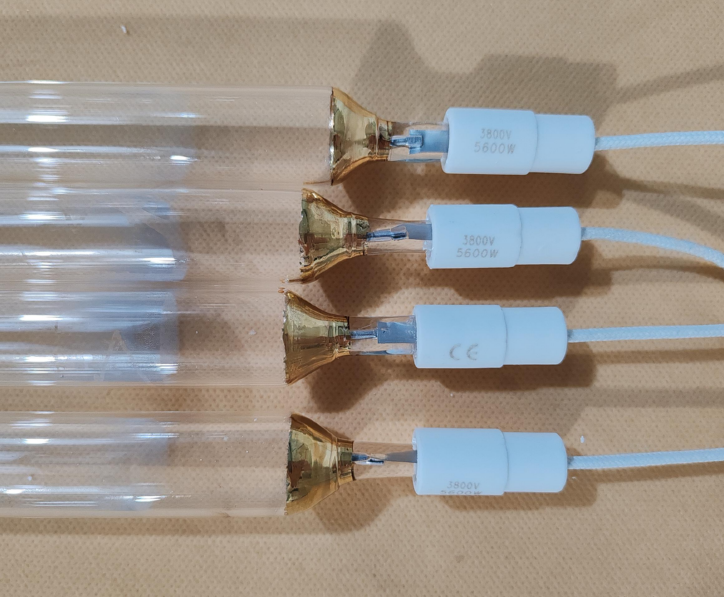
Most infrared heaters are a bit “messy”—they throw energy everywhere. But if you’re working on a photochemical reaction, that doesn’t work. Your material only cares about one tiny slice of the spectrum. That’s where our GaI lamps come in. Instead of wasting energy, we hone it down into the ultraviolet and visible light regions. It’s the difference between using a floodlight and a laser; you get exactly the molecular trigger you need, and nothing else. The trick to the tuning Getting that sharp emission peak is a bit of an art. It all comes down to the gallium iodide filling pressure and how pure the quartz envelope is. If the filling is off by even a tiny fraction? The peak shifts. Suddenly, your reaction rate tanks, and you’re left wondering why the process has stalled. We don’t guess on this. We run every batch through spectroscopic analysis in our lab to make sure the light hits the exact nanometer you’re looking for. Dealing with the heat We use high-purity synthetic quartz for a reason. Standard glass would just soak up the UV light we’re trying to push out, which would cause the envelope to overheat and pop. But here’s the thing: these lamps still run incredibly hot because the energy density is so high. You’ve got to be smart about your cooling fans or water jackets. If the ends of the lamp get too hot, the electrodes start to degrade, and your lifespan drops off a cliff. Plugging them in We’ve designed these with different end-cap options so they just slide right into your existing rigs. No need to rebuild your whole setup. Whether you’re doing semiconductor research or a specialized curing job, the electrical load is steady. Just a heads-up: use a stabilized power supply. A random voltage spike can fry a filament in a heartbeat. We’ll give you the exact wattage and voltage footprints. That way, you can wire everything up with confidence, rather than crossing your fingers and hoping you don’t blow a ballast the second you flip the switch.