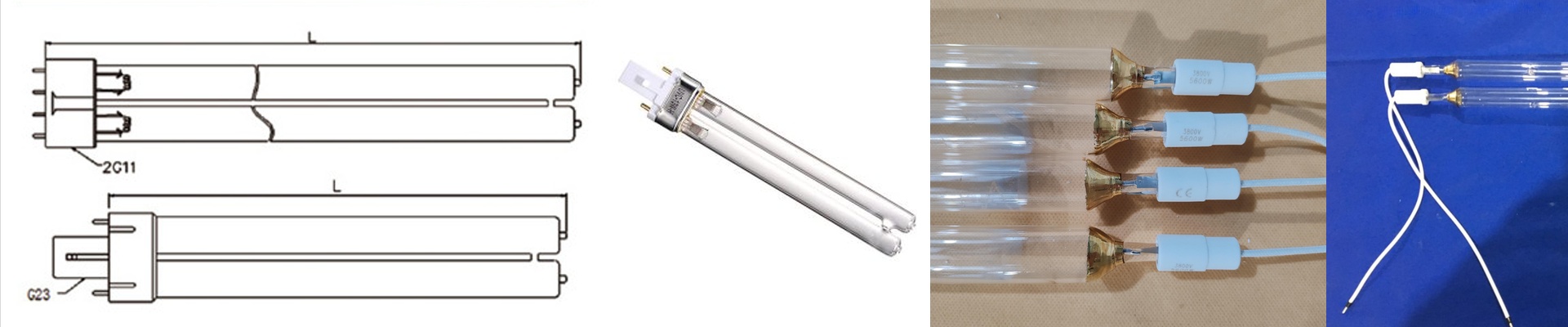
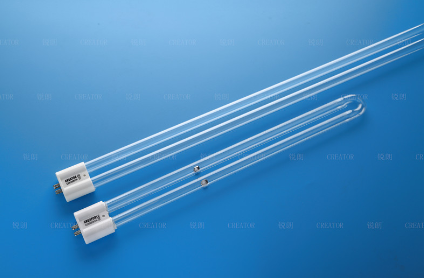
Why 120W/cm Mercury UV Lamps Actually Matter in Your Factory
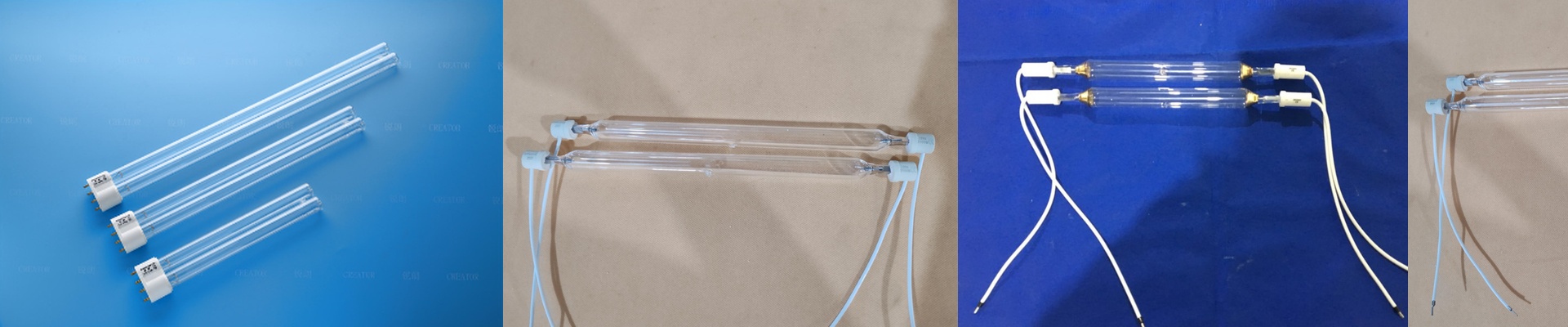
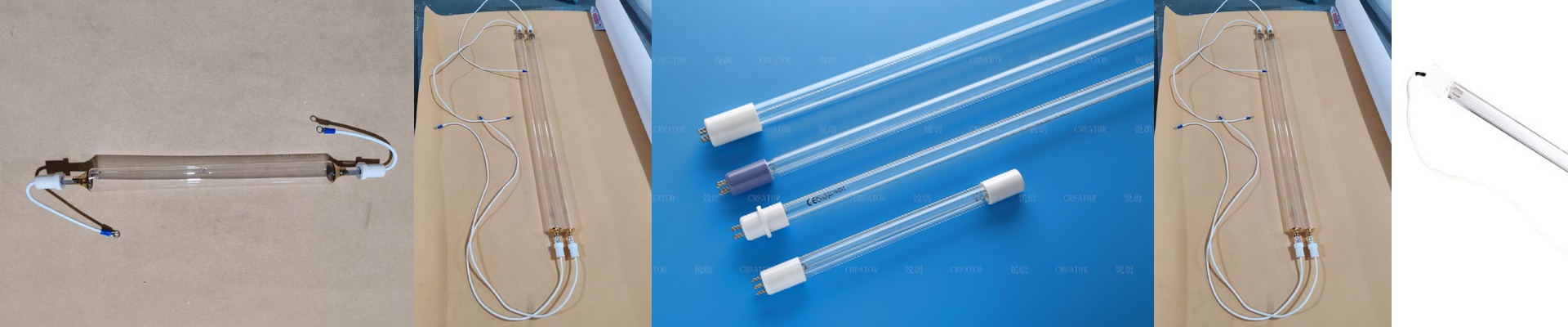
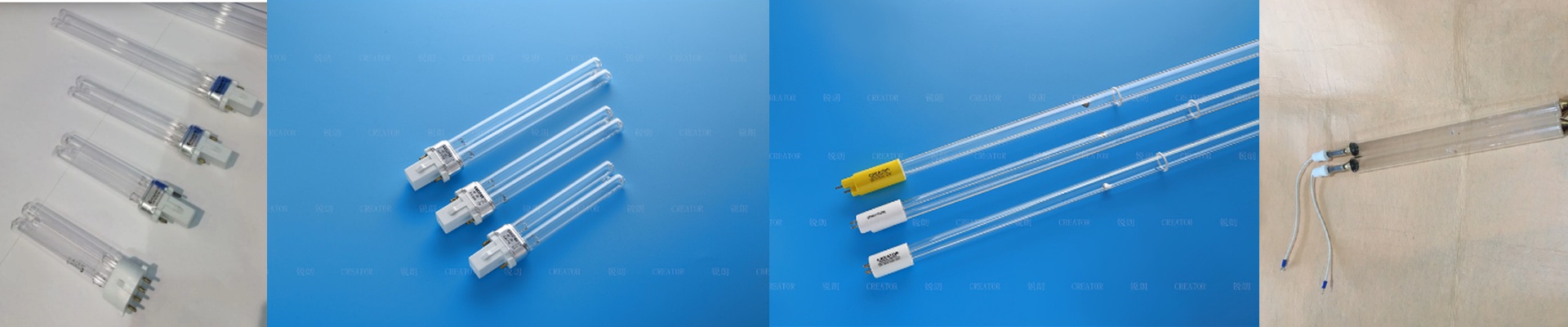
Think of UV curing as the invisible glue that holds everything together. From the moment a piece of raw fabric hits the line to the second it becomes a finished shirt, these lamps are doing the heavy lifting. We use mercury UV lamps with a power density of 120W/cm to trigger a chemical reaction in a heartbeat. It’s not about lighting up a room—it’s about speed and chemistry. The deal with power density When we talk about 120W/cm, we’re talking about how much energy is packed into every single centimeter of that quartz tube. We need that level of punch so the UV radiation can actually sink deep into the fibers and inks. Mercury vapor lamps hit those sweet spots at 254nm and 365nm. That’s exactly what you need to snap the molecular bonds in the resins and adhesives we use for printing. If you try to skimp on the wattage, you’ll run into “under-curing.” That’s a nightmare. It means the ink might migrate or, even worse, start peeling off the moment the customer throws the garment in the wash. Dealing with the heat These lamps are made from high-purity fused quartz. It keeps the mercury plasma contained while letting the UV light fly through. We usually tuck them into reflectors to aim that beam straight down onto the conveyor. But here’s the catch: pushing 120W every centimeter creates a massive amount of heat. Like, really hot. You can’t just plug these in and walk away. You need a solid cooling system. If your airflow gets blocked or a chiller quits, those quartz tubes will overheat and burn out fast. Where this actually happens on the floor You’ll usually spot these lamps in three places: *Digital Printing: Making UV inks on polyester dry instantly. *Functional Coatings: Setting those water-repellent or flame-retardant layers. *Bonding: Using fast-setting glues for those seamless looks. The beauty of sticking to the 120W/cm standard is that you can speed up your conveyor belt. You can move faster without worrying that the quality is slipping. Just a quick tip: make sure your ballast matches the lamp’s impedance. If they aren’t in sync, you’ll deal with flickering or electrodes that die way too soon.