Why Most UV Lamps Fail (And How We Fixed Them)
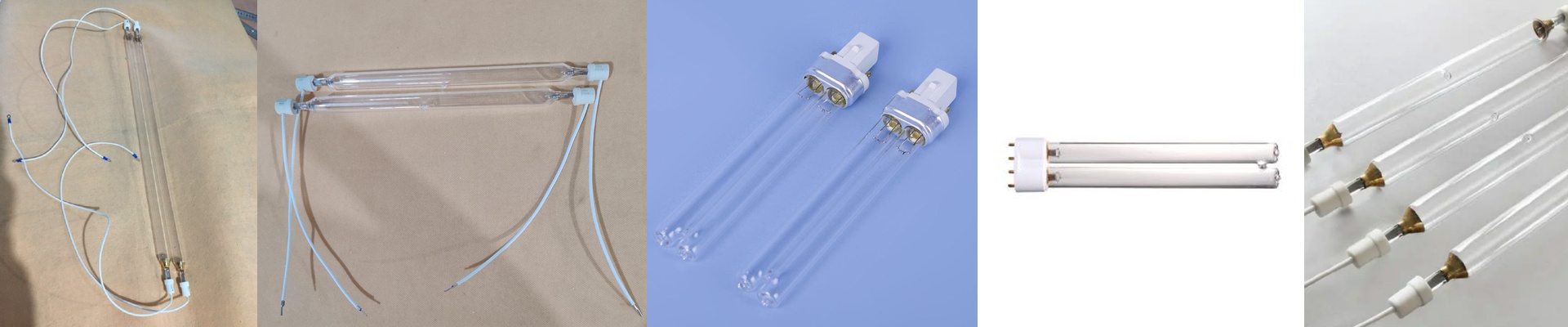
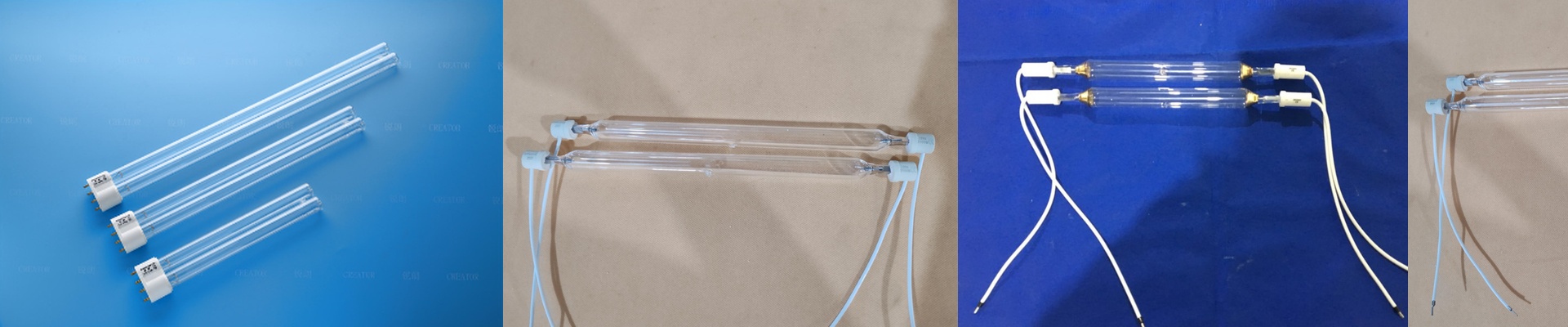
We spent some time visiting 3,000 printing plants. Not just a few—thousands. We wanted to see where these UV lamps actually kick the bucket. Turns out, most off-the-shelf tubes just can’t handle the heat of a high-speed press. They burnout mid-run, and that’s a nightmare for anyone trying to hit a deadline. So, we stopped following the standard playbook and started focusing on two things: thermal stability and precise output.
The battle between power and heat
To get those polymers to cross-link instantly, you need a serious amount of irradiance. We push a lot of wattage into a short tube, but there’s a catch. When you cram that much power into a small space, the heat spikes. Fast. If you use cheap glass, it warps under that stress. It’s that simple. Then there’s the voltage. If it fluctuates, your cure rate drops, and suddenly your product isn’t drying right. We built our ballasts to keep the voltage in a very tight window. This ensures the UV output stays steady from one end of the lamp to the other.
Choosing the right materials
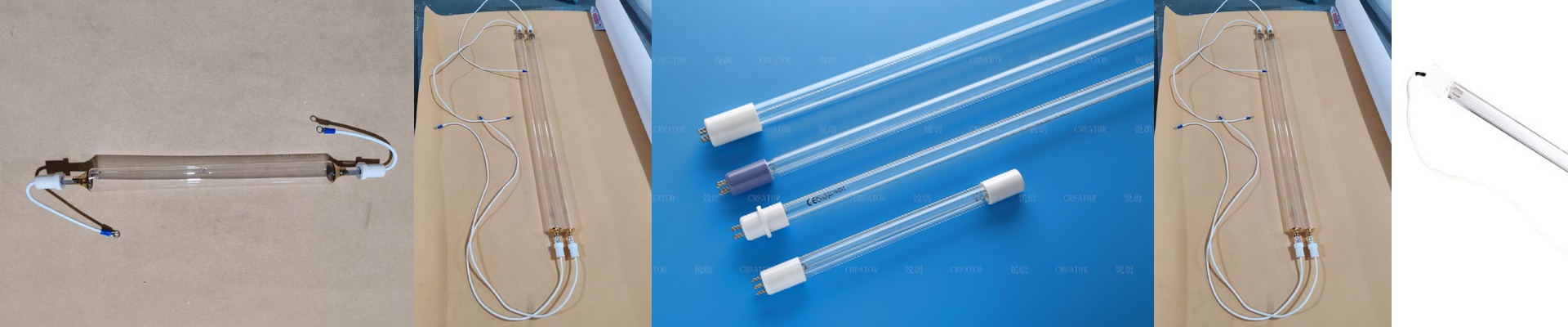
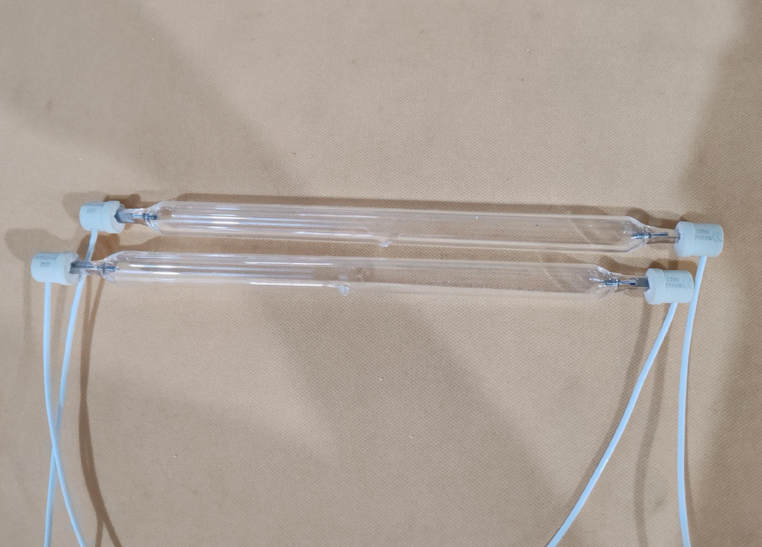
We went with high-purity synthetic quartz. Why? Because it lets way more UV-C and UV-B rays through than standard glass. For the high-speed lines, we also offer coated options that bounce the heat away from the material. It’s a lifesaver if you’re working with paper or plastic that tends to curl when things get too hot. But here’s the thing: you can’t have all that power without a plan for the heat. A high-wattage lamp cures faster, sure, but it puts a massive load on your reflectors. If your cooling fans aren’t up to the task, your sockets will literally melt. It’s a trade-off. You want more speed? You’re going to need a beefier cooling setup.
Making it easy to maintain
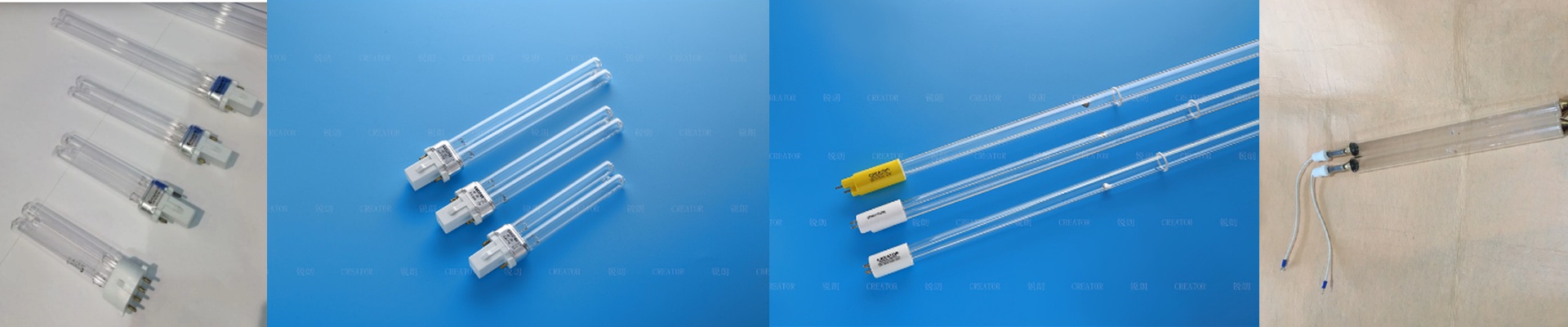
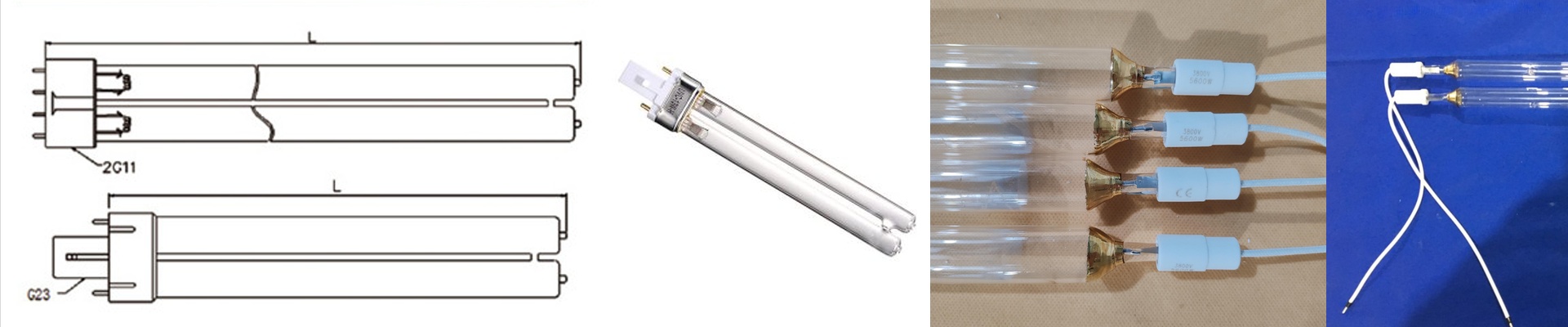
Nobody wants to spend their shift rewiring a press. It’s a waste of time. That’s why we made these drop-in replacements. We used standardized connectors so the electrical fit is snug, which stops that annoying arcing at the pins. We obsessed over the mechanical fit so that when a tube finally burns out, you can swap it in a few minutes. You just pop the old one out, slide the new one in, and get the line moving again. No stress.