Stop Treating Your UV Lamps Like Lightbulbs
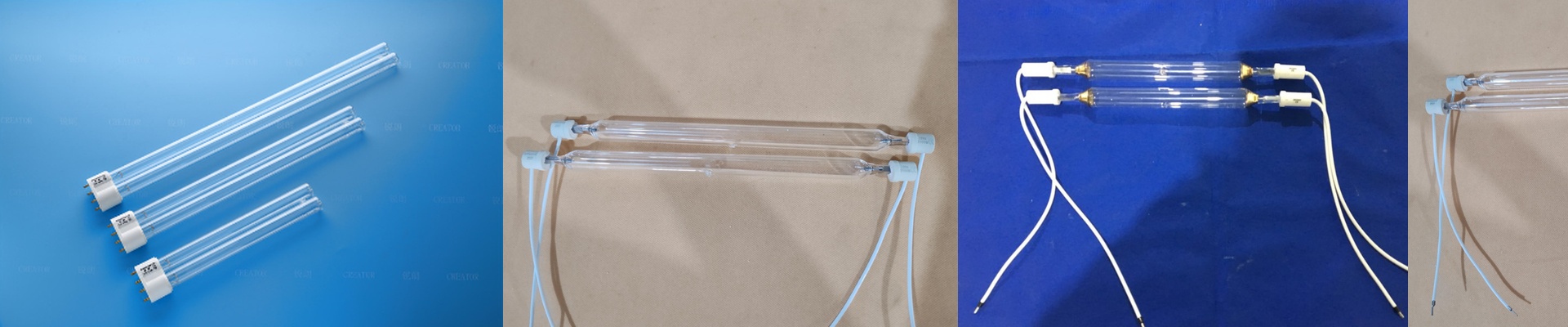
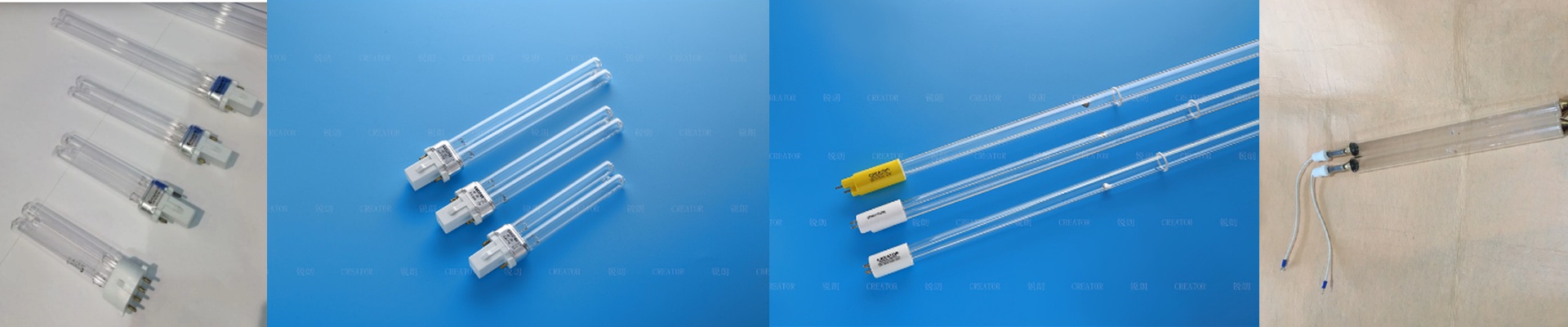
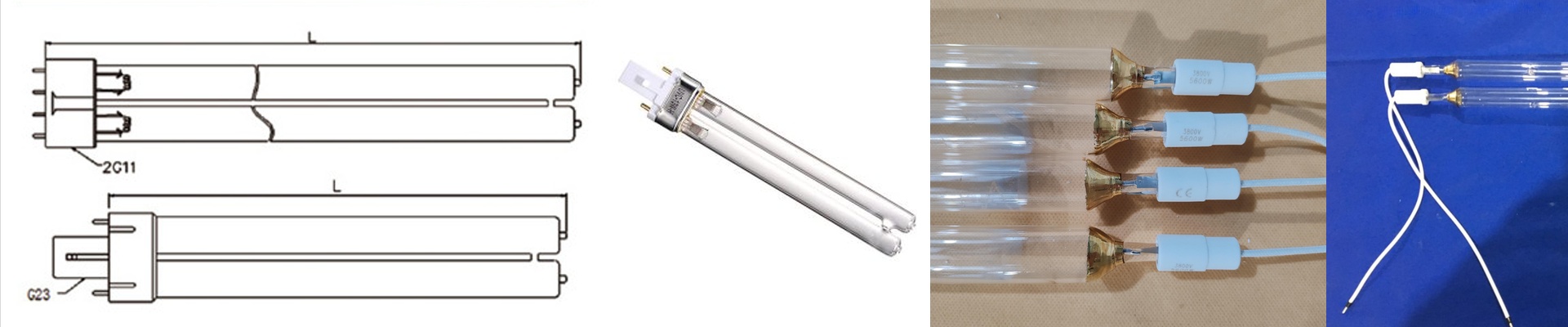
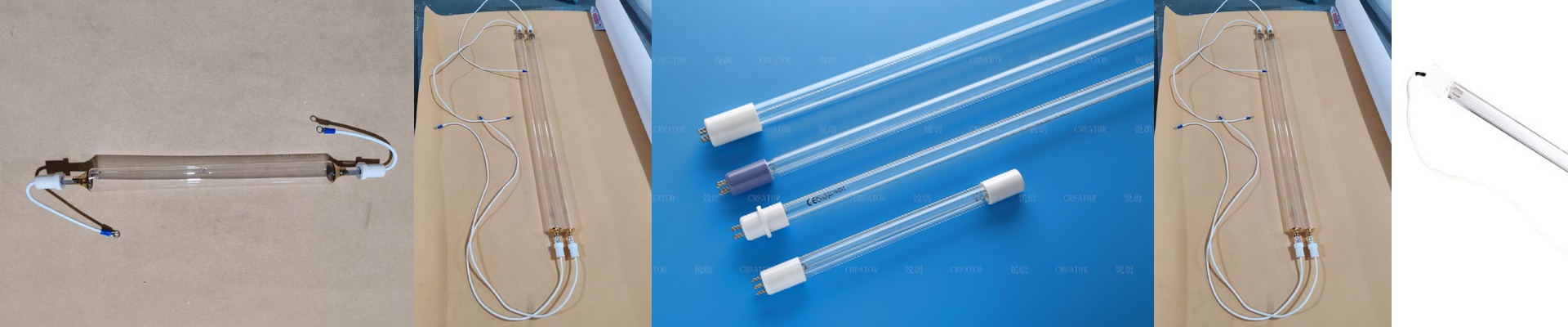
Most people treat UV lamps as just another line item on a consumables list. But if you’re planning your production lines for 2026, you’ve got to look at them differently. It’s not just about how many watts you’re throwing at the problem. It’s about the light spectrum and how you handle the heat. Let’s talk about power. There’s a tricky balance between your voltage and the length of your tubes. If you cram high-wattage lamps into a tiny space, you’re basically building a heater. We see it all the time: shops crank up the power to squeeze out a faster line rate, and then they wonder why their substrates are scorching or their tubes are burning out way too early. You have to find that sweet spot between your power input and the conveyor speed. If you don’t, you’ll end up with ink that bubbles or—even worse—doesn’t cure all the way through. Then there’s the glass. The quartz isn’t just there to hold things together. The grade of that glass determines if the UV-C and UV-B rays actually get through. Cheap glass blocks the shortwave radiation that tells your ink to harden. The result? A tacky, sticky surface that ruins the whole job. That’s why we obsess over the purity of the quartz. It keeps the output steady from one end of the lamp to the other. The trade-off you can’t ignore. Here is the thing: high-output systems put a massive strain on your cooling. If your reflectors are dusty or your fans are clogged, your lamps will overheat. We’re talking about a 30% drop in lifespan. It’s a simple trade: you get a faster cure, but you have to be way more aggressive about keeping things cool so your tubes don’t pop. We don’t just put a part in a box and ship it to you. We’ll actually help you wire it up and tweak the intensity to match your specific ink. It saves energy, and more importantly, it stops you from over-curing your product.