Stop Guessing With Your UV Lighting
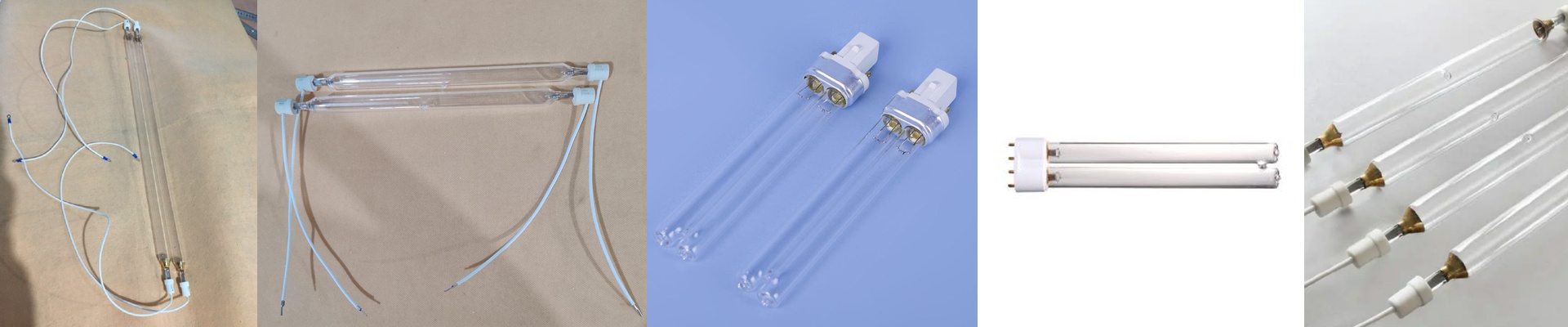
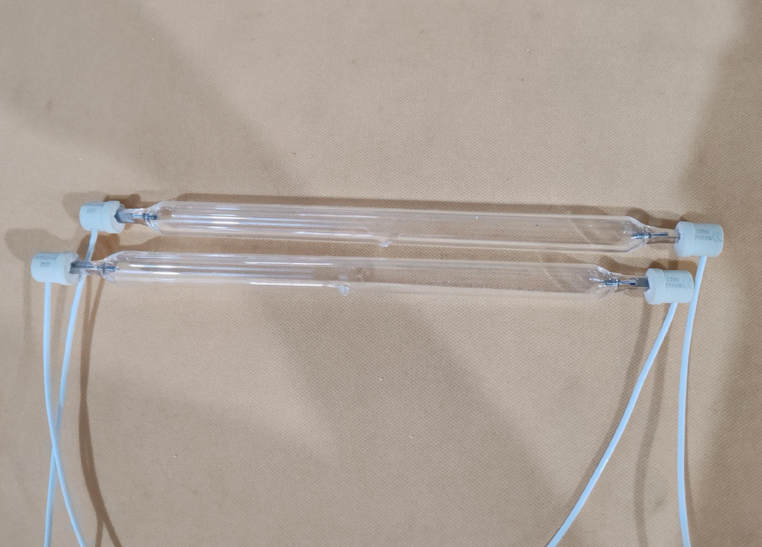
For a long time, UV-C lamps have been a “set it and forget it” kind of deal. You wire them in, set a timer, and just cross your fingers that they’re actually doing their job until the next time someone remembers to go check them manually. It’s a bit nerve-wracking, honestly. We decided to fix that. Instead of hoping for the best, we built energy monitoring right into the lamp’s driver circuit.
Why “Hours Used” is a Lie
If you talk to most engineers, they’ll tell you to track lamp life by the hour. But here’s the thing: that’s a pretty flawed way to do it. The actual UV output can drop off because the phosphor wears out or the quartz degrades, even while the lamp is still pulling power. The light is “on,” but it’s not actually killing germs. Our new smart lamps track power consumption and voltage swings in real-time. By keeping an eye on the current draw, you can catch a failing ballast or a drifting lamp before your sterilization cycle fails. You get a real number on what you’re spending per cycle, not some theoretical guess from a manual.
The Trade-off
Now, this isn’t as simple as slapping a sensor on an old ballast. We had to completely rethink the circuitry. The challenge was getting the hardware to handle that high-voltage strike needed for germicidal arcs without messing up the data signal with noise. It meant making the driver a bit larger. And yeah, they cost more upfront than a “dumb” lamp. But think about it this way: you stop tossing tubes that still have 30% of their life left, and you never have to worry about a dead lamp running unnoticed for a week.
Getting it on the Floor
If your facility has WiFi or LoRaWAN, these drop right into your existing fixtures. Once they’re wired up, the system just flags any lamp that starts acting weird or deviates from the normal power curve. It turns UV maintenance from a scheduled guessing game into something you actually have a handle on.