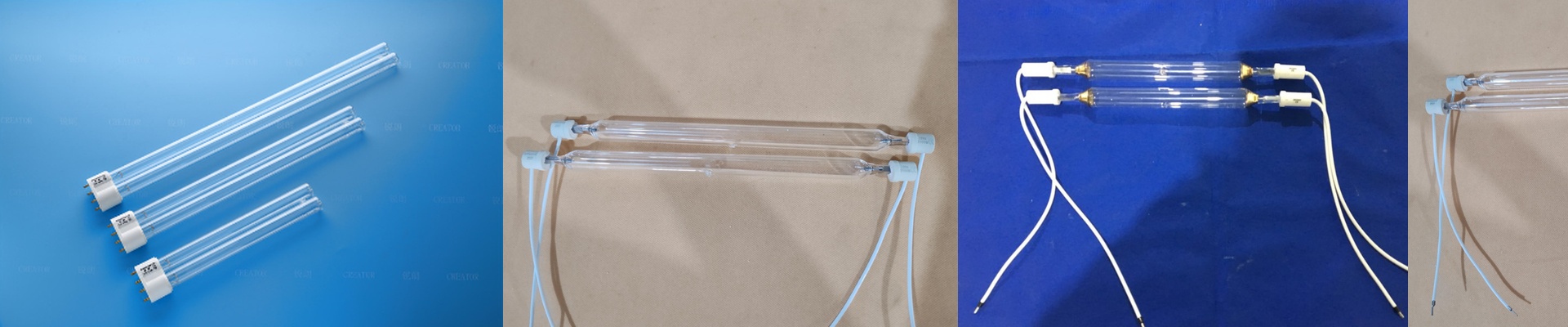
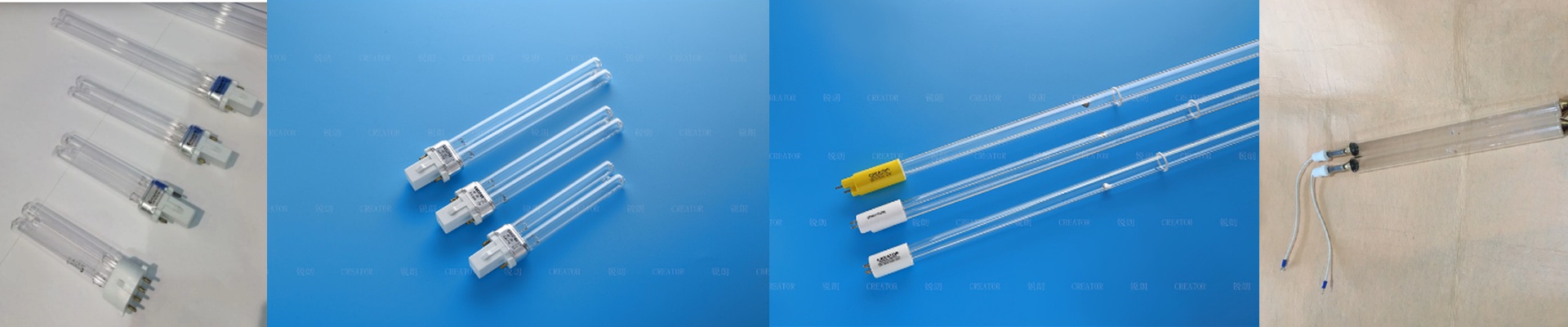
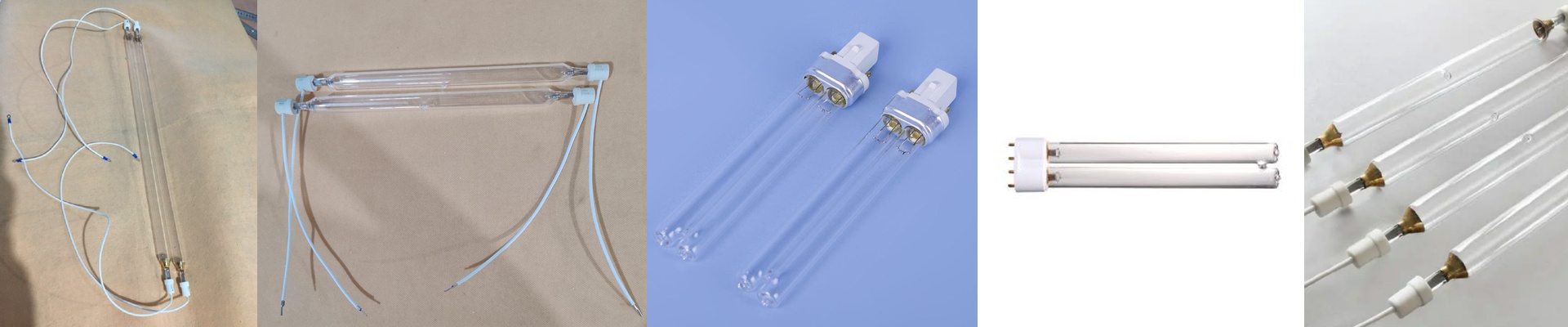
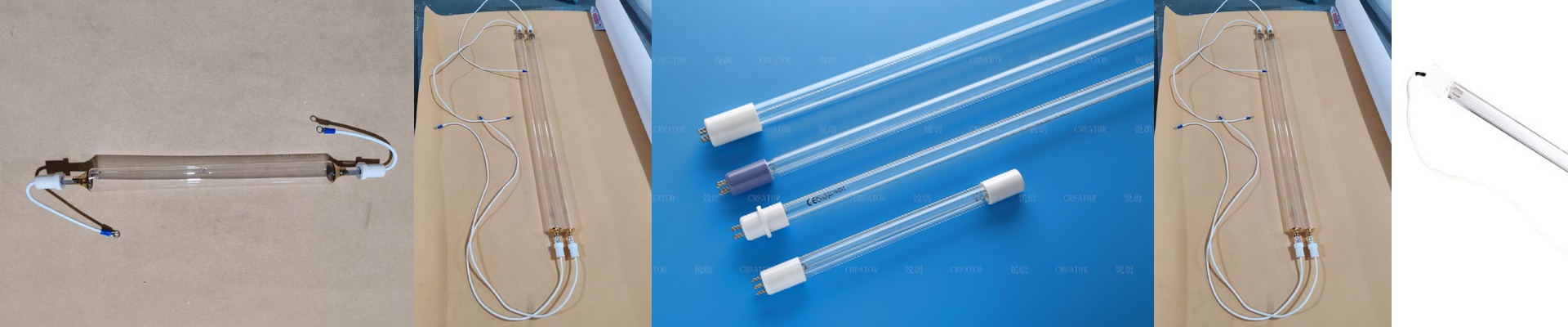
How We Actually Build High-Output UV bulbs That Last
For 15 years, we played the middleman. We did the white-label thing, selling other people’s gear. But eventually, we got tired of the markup and the lack of control. We wanted to build our own germicidal UV lines that could go toe-to-toe with the big international brands without costing a fortune.
The science (without the textbook talk)
Most of our bulbs hit that 253.7nm sweet spot. That’s the exact wavelength that shreds the DNA of germs, making them useless. To make that happen, we use high-purity synthetic quartz. Why? Because cheap glass is basically a wall to UVC light—it blocks it. Quartz lets it fly right through. We also spent a lot of time tweaking the electrode chemistry. You know that annoying “end-blackening” where the tube gets dark at the tips? That’s just tungsten evaporating and coating the glass. We fixed that. It means your bulbs stay bright and powerful for way longer before they finally give out.
Heat is the enemy
Depending on your ballast, you’ll pick different wattages. More wattage means more photons, which is great for killing bacteria, but it also means more heat. If you’re squeezing these into a tight box, be careful. When the quartz envelope gets too hot, the light spectrum shifts and the lamp dies early.**Give your tubes some breathing room.**We usually recommend at least a 20mm gap between them so they don’t cook each other.
Getting them installed without the headache
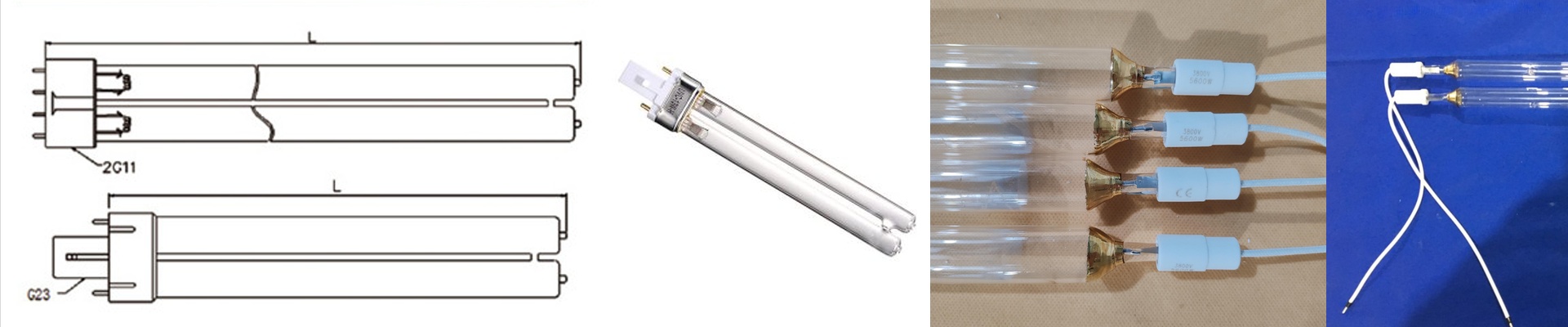
We built these to be drop-in replacements. Whether you’re using G13 or something more specialized, we kept the tolerances tight. You won’t be fighting with the sockets or wondering why the pin won’t fit. The real trick is consistency. When you buy a thousand bulbs, you don’t want bulb #1 to be a powerhouse and bulb #1,000 to be a dud. We test every batch for lumen maintenance so you get the same sterilization dose across the board. One last tip: if you’re wiring these into a big HVAC or water system, double-check your starters and ballasts. Make sure they match the bulb’s rated current. If they don’t, you’ll get annoying flickering or, worse, you’ll blow the filaments way too soon.