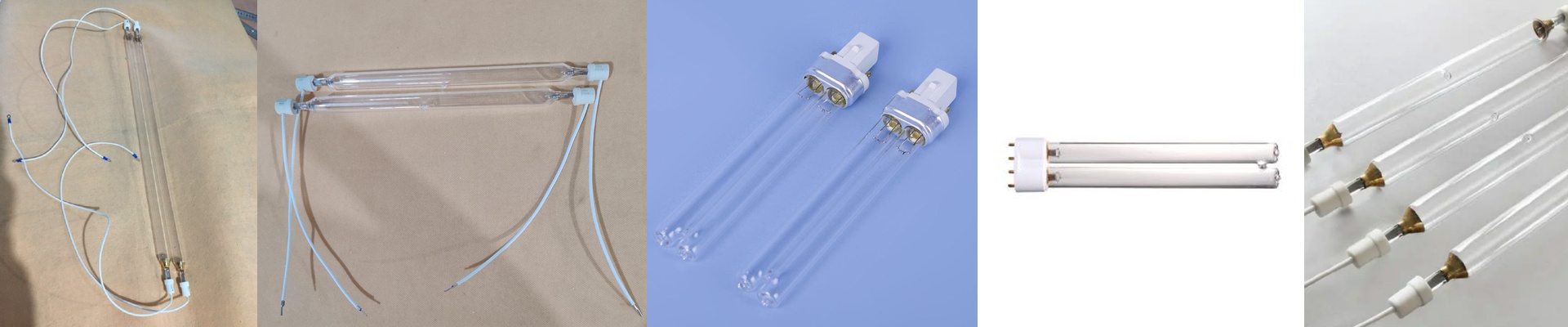
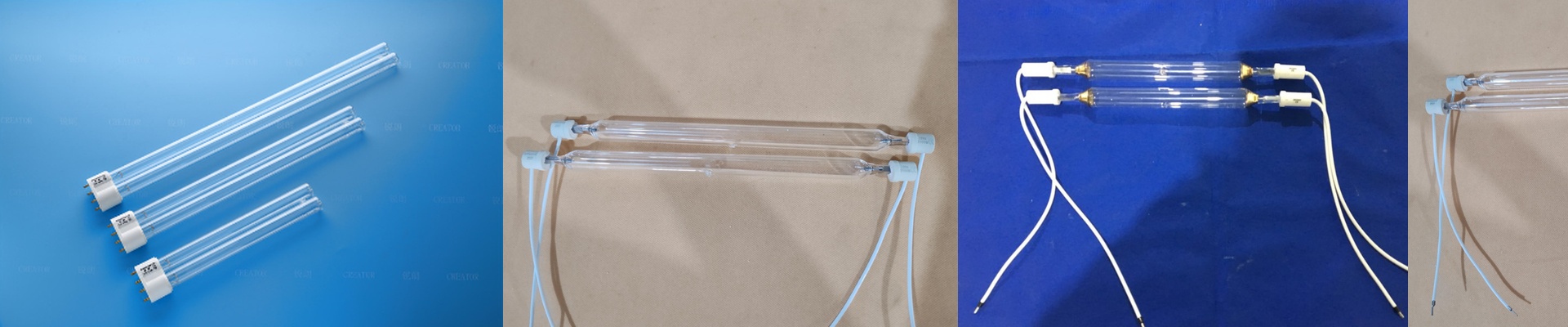
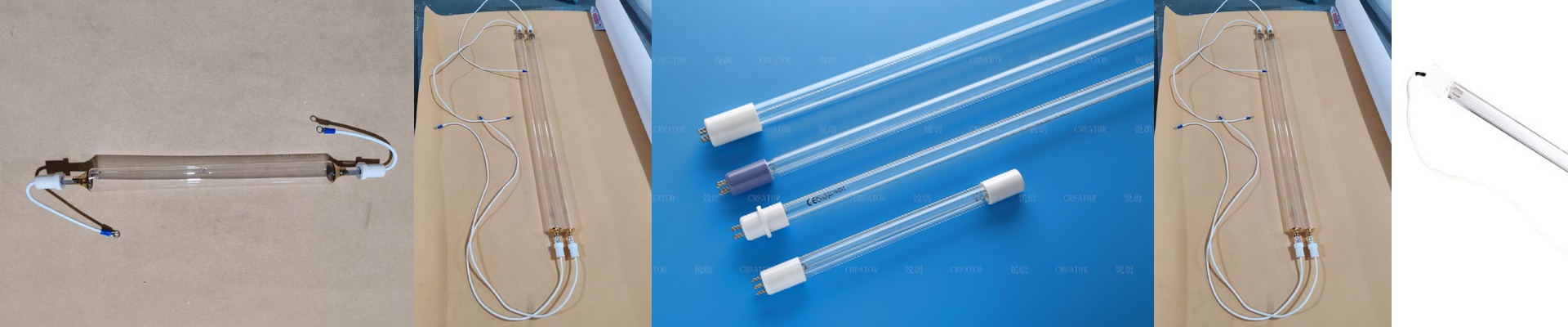
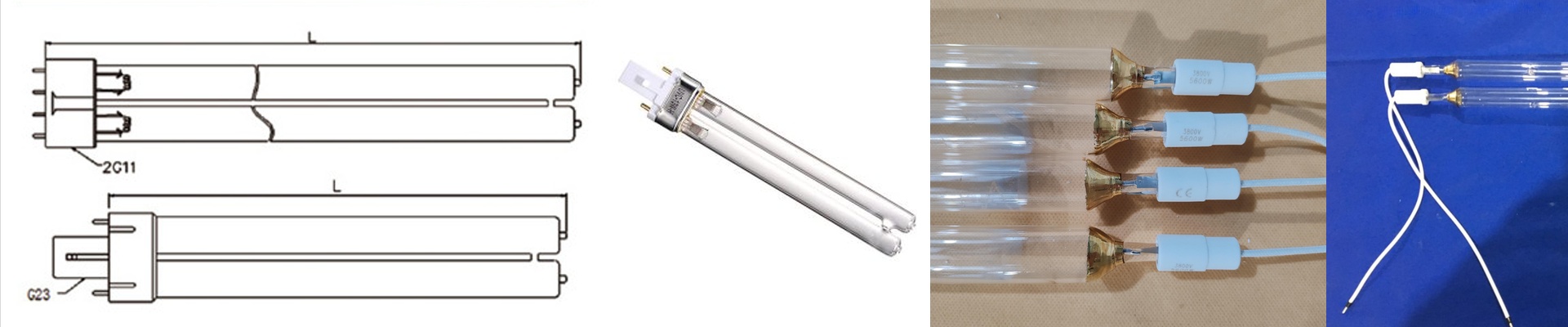
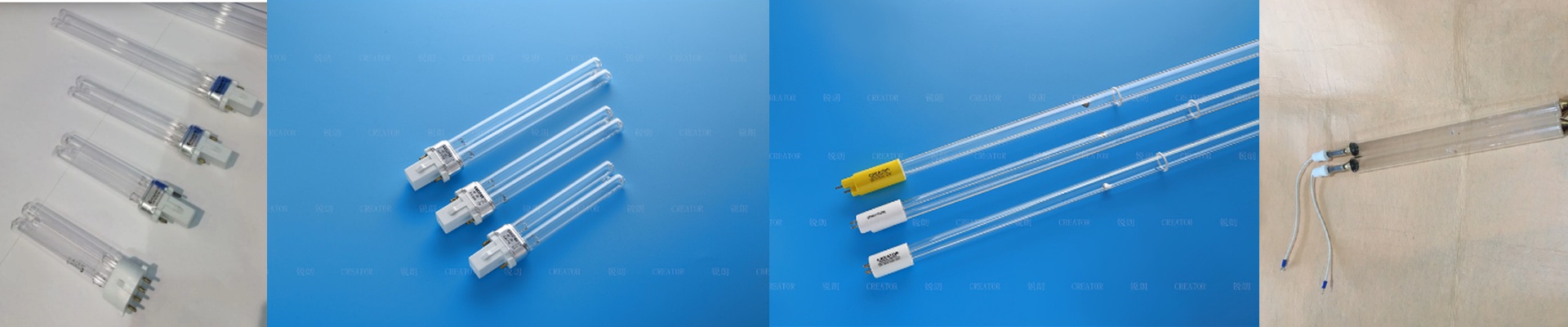
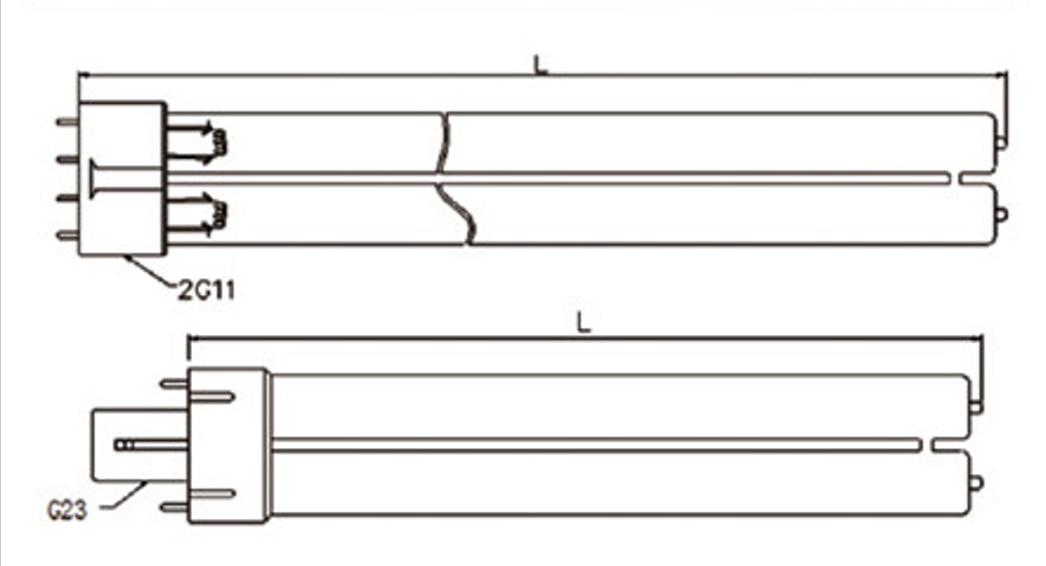
On the press floor, a UV lamp can look perfectly fine and still be underperforming. Spectral output drifts, peak irradiance drops—then the cure falls apart. You get tack, incomplete cross-linking, and rejects that show up hours later. The answer isn’t guesswork. It’s routine intensity checks with a simple UV energy test strip. What actually matters UV curing is wavelength-specific. UVA (315–400 nm) drives most ink and coating cures because it matches photoinitiator absorption and gives you fast surface and through-cure. UVB (280–315 nm) can help surface cure on pigmented or thick layers, while UVC (100–280 nm) is for germicidal work and can create ozone in air. A mercury vapor lamp throws a line spectrum, with dominant peaks at 365 nm, 405 nm, and others. Keep the reflector clean, protect the dichroic coating, and watch electrode wear—those three shape spectral distribution and the total energy density delivered (mJ/cm²). Why the test strip earns its keep A UV energy test strip gives you a direct, repeatable reading of the dose you’re actually delivering. Establish a baseline when the lamp is new, then log the numbers weekly. When output stays stable, cure speed is consistent, washups drop, and makeready behaves. We build lamps to keep output decay low so energy density stays tight across the service window. That means fewer lamp changes, lower spares cost, and less unplanned downtime. The details that bite you UV output falls off as the quartz tube hazes up, reflectors oxidize, and cooling can’t keep up. Match the test strip to your lamp’s dominant wavelength—365 nm for standard mercury systems—and double-check alignment and distance. Also confirm the lamp is ozone-free if it’s running on a ventilated press. If it’s not, UVC can chew up components and make operator exposure controls harder to manage.