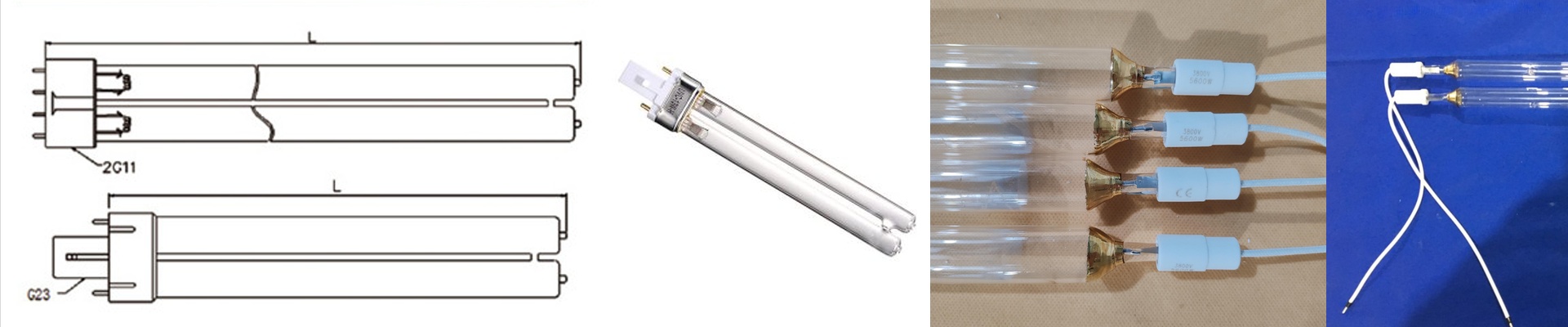
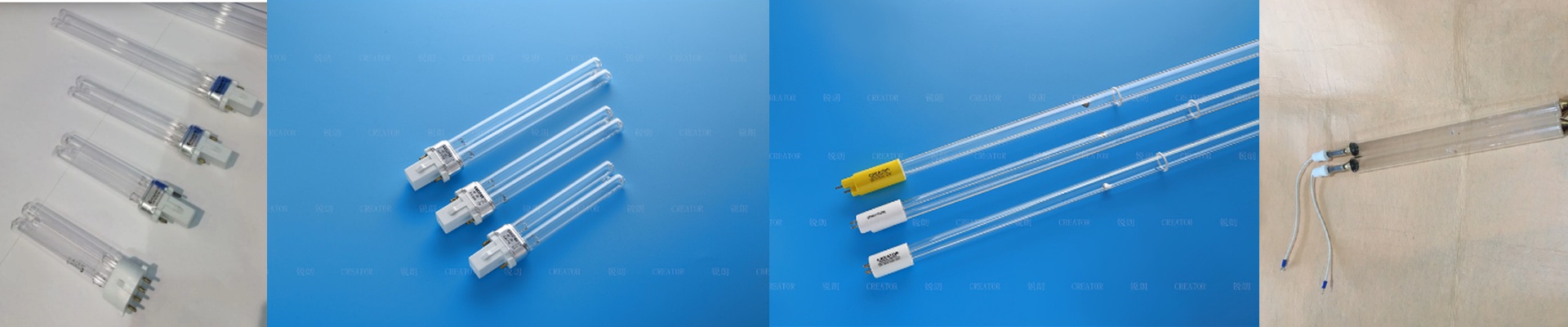
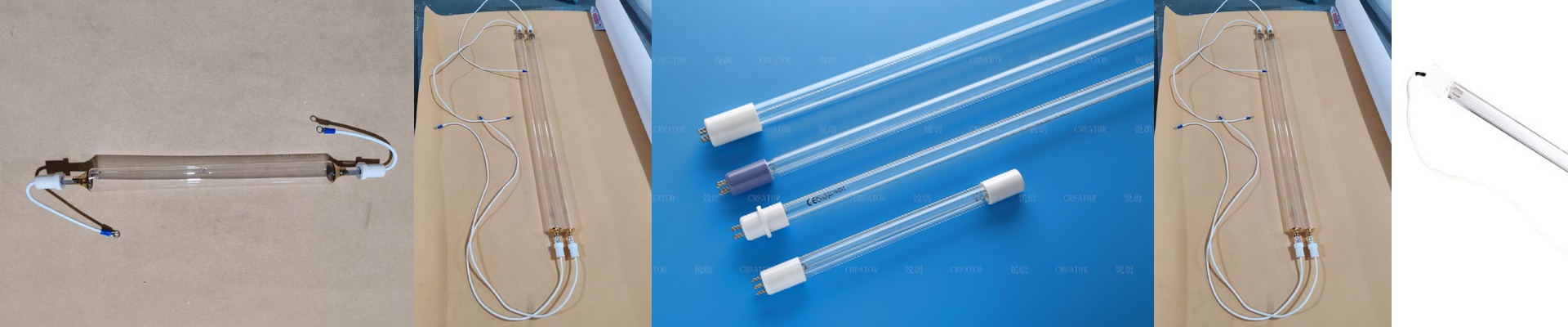
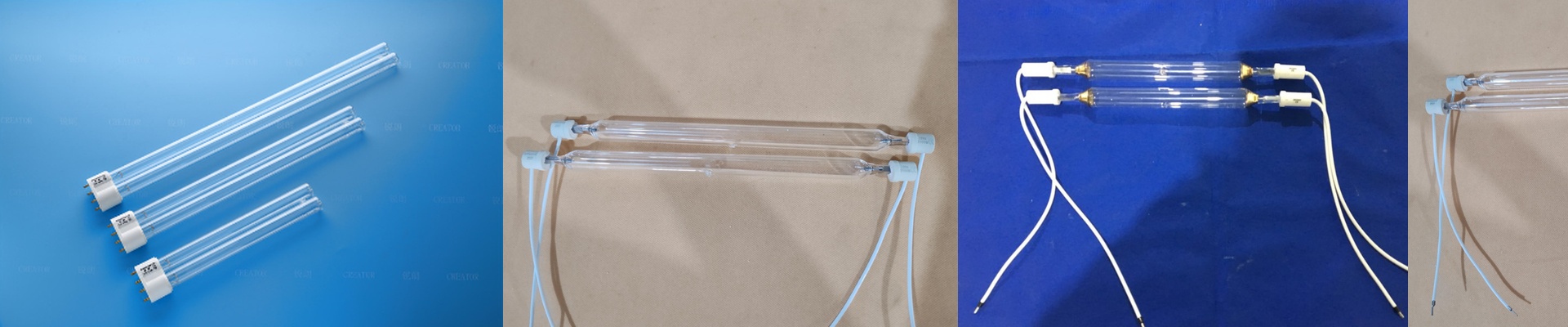
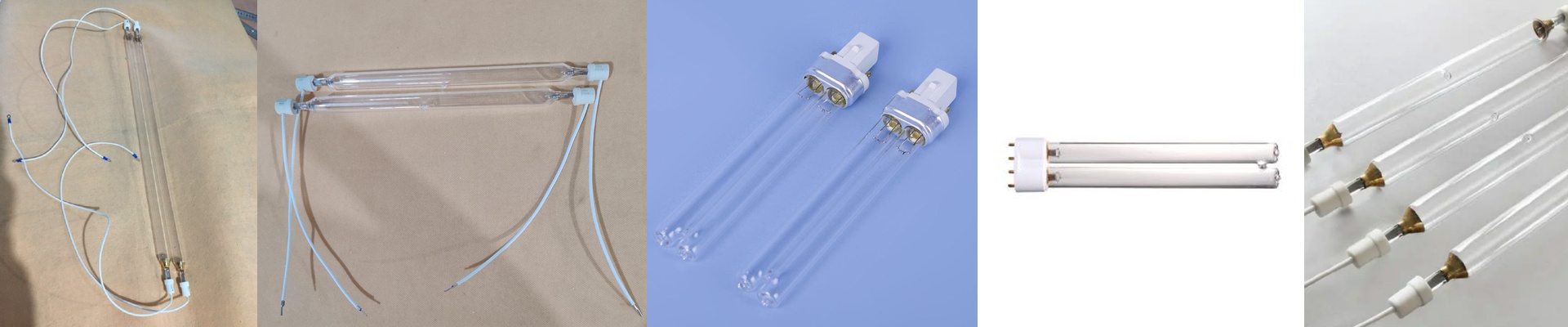
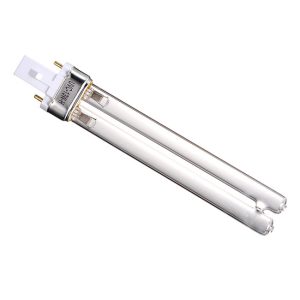
Out on the line, footwear materials—porous foams, textured synthetics, dense rubber—tend to hold onto microbes that routine cleaning just can’t reach. When the spec calls for verified microbial reduction, wiping surfaces down is a roll of the dice. UVC germicidal light gives you a repeatable, chemical-free kill, but only if you deliver the right dose and full coverage. What actually matters technically UVC germicidal effectiveness is all about dose: irradiance at the target surface, multiplied by exposure time. We lean on high-output, ozone-free low-pressure mercury lamps with a primary 254 nm output. They hold stable irradiance even when humidity is climbing. Reflectors are built with high-purity aluminum and a dichroic coating to keep UVC reflectivity high and drive energy where it needs to go, so you don’t waste flux. We track lamp output against its defined decay curve, and we calculate dosing in mJ/cm². That lets you set a validated cycle, not a guess. Why this fits footwear lines Footwear geometries and line speeds shift all the time, so curing and disinfection have to be repeatable shift after shift. UVC modules integrated into conveyor enclosures lock in consistent dwell time and keep everything properly shielded. Operators stay safe, and you hit the required microbial log reduction on uppers, insoles, and outsoles. You end up with a documented sanitation cycle that stands up to audits, cuts rework, and keeps throughput steady—no solvent residues, no long drying delays. The things you learn the hard way UVC intensity falls off with the square of distance, and shadows from seams or thick materials eat into effective dose. Fixture positioning and reflector geometry have to match the product profile, and line speed has to be synced to the required mJ/cm². UVC exposure can degrade some polymers and dyes over time. Run material compatibility tests on prototypes, and keep an eye on discoloration or embrittlement when you kick off production.