
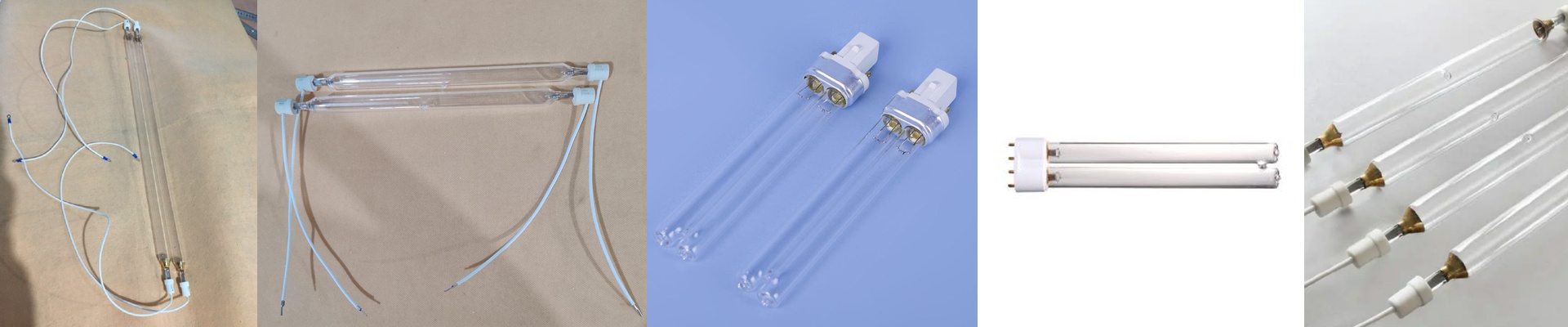


Getting the Most Out of Gallium Iodide Lamps
Let’s be clear: these aren’t your typical heaters. If you’re just looking to warm something up, look elsewhere. We built these lamps for a very specific job—hitting that 400nm to 500nm window. Most infrared lamps just throw energy everywhere. It’s messy. GaI lamps are different. They focus all that power into a tight band. This is huge because it lets you trigger photochemical reactions without accidentally melting your substrate.
Dialing in the Light and Heat
It all comes down to the mix. We play with the ratio of gallium to iodine inside the quartz envelope and tweak the fill pressure to shift where the light peaks. Need a sharper peak? We just adjust the gas mixture. It’s a bit of a craft, but it means you can hit the exact absorption band of your catalyst or polymer without wasting energy. But here’s the catch: all that concentrated energy creates a lot of heat at the electrodes.A lot. You can’t just toss these in a sealed box and hope for the best. You need active cooling. If your airflow is weak, the quartz will stress out and eventually just crack. Do yourself a favor and crunch the numbers on your CFM based on the total wattage. It’s the only way to keep them from burning out early.
Setting Them Up
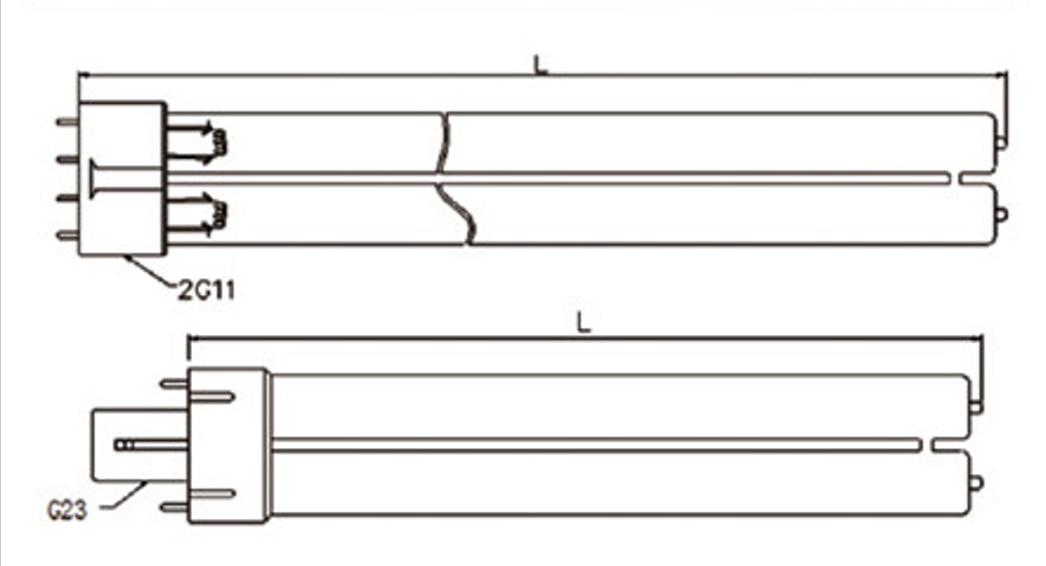
We designed these to slide right into your existing industrial rigs. We use heavy-duty quartz because the gallium vapor puts a lot of pressure on the glass. Plus, the electrodes are built to resist sputtering. That keeps the tube clear so the light actually gets out. When you’re wiring them in, keep an eye on your power supply. If you get voltage spikes, you’ll see arc-over at the end caps, and that’s a headache you don’t want. We offer a few different termination options so they fit your footprint and stay tight, even when things heat up and expand. And one last tip: use a dedicated controller to ramp up the power slowly. If you slam the lamp with full voltage right out of the gate, you’ll shock the filament.Take it slow.