


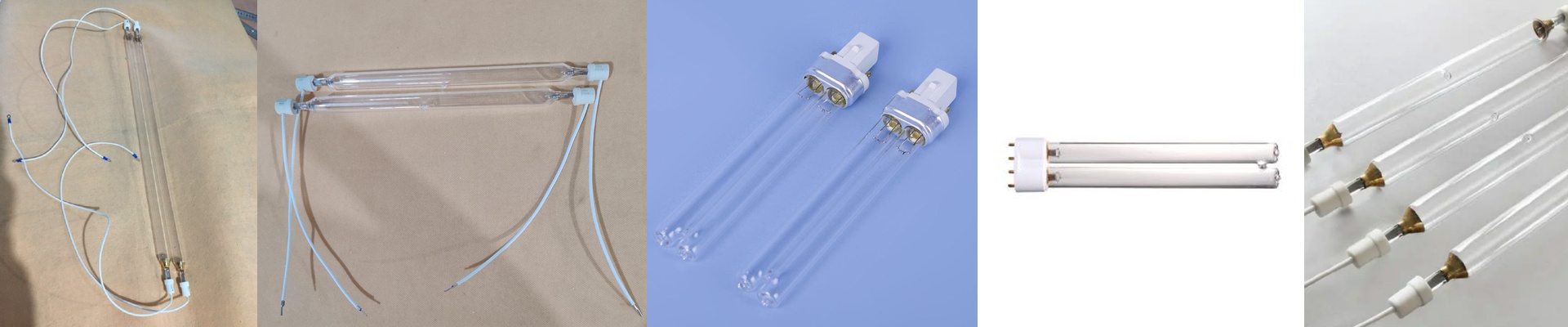

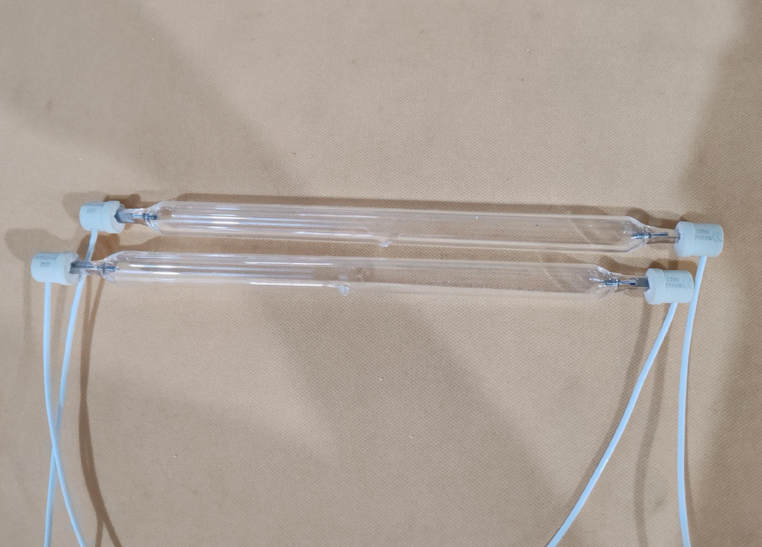
We spent some time visiting 3,000 different printing plants. Why? Because we wanted to know why standard UV lamps keep failing the moment they hit a real production line. Turns out, most off-the-shelf units are built for a lab, not a shop floor. They don’t account for how fast your lines actually move or the weird chemistry of modern inks. Usually, the problem boils down to two things: how the light is actually spread and how the heat is handled. The trick with power and output When you’re running high-speed lines, your first instinct might be to just crank up the wattage. Don’t do that. It’s all about the balance between the length of the lamp and the power density. If you jam too many watts into a short tube, you’re just asking for a premature burnout. We handle the voltage and wattage math for you so it actually matches your conveyor speed. Sure, higher power density means a smaller footprint, but it puts a lot more stress on your reflectors. It’s a trade-off. Picking the right materials We’re picky about our quartz. Different wavelengths need different glass. If you use the wrong grade for shortwave UV, the envelope just absorbs the energy instead of letting it through. We’ve seen way too many shops using generic tubes that leak IR heat. That’s how you end up with warped substrates. We designed our lamps to stop that. Plus, we standardized the connectors. If your team is spending twenty minutes fumbling with wires every time they swap a lamp, you’re just burning money. It should be a drop-in replacement. Period. Dealing with the heat Here is the reality: high-intensity curing is a constant tug-of-war between speed and heat. If you want instant curing, you’re going to generate a massive amount of heat. If your cooling blowers aren’t up to the task, you’ll run into a nightmare scenario where the ink skins over on top but stays wet underneath. To fix the guesswork, we give you irradiance maps. You can see exactly where the light hits and position your lamps right where the ink needs the most punch. No more crossing your fingers and hoping for the best.